
The pump is the most vital—and sensitive—component of any hydroponic system. Over years of indoor gardening, the pump is the part I’ve dealt with the most. They get dirty, clogged with roots, or suffer from loose connections. Here is how to keep yours flowing.
⚡QUICK ANSWER: The most common reason a desktop hydroponics pump stops working is a clog from roots or debris. Turn off the system, drain the tank, disconnect the pump, and take it apart. Remove all debris, rinse with clean water, and reassemble.
|
Problem |
Most likely cause |
Solution |
|---|---|---|
|
No water flow |
Roots clogging |
Clean intake |
|
Weak flow |
Mineral deposits |
Vinegar soak |
|
Loud pump |
Air trapped |
Refill reservoir |
|
Pump vibrates |
Dirty impeller |
Remove debris |
|
Pump dead |
Burned motor |
Replace pump |
|
Works sometimes |
Loose wire |
Repair or replace |
Root Overgrowth
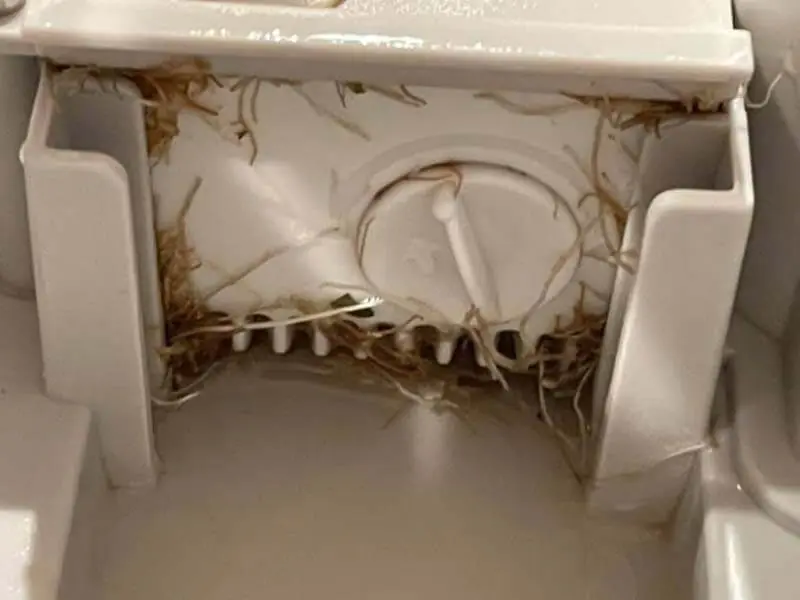
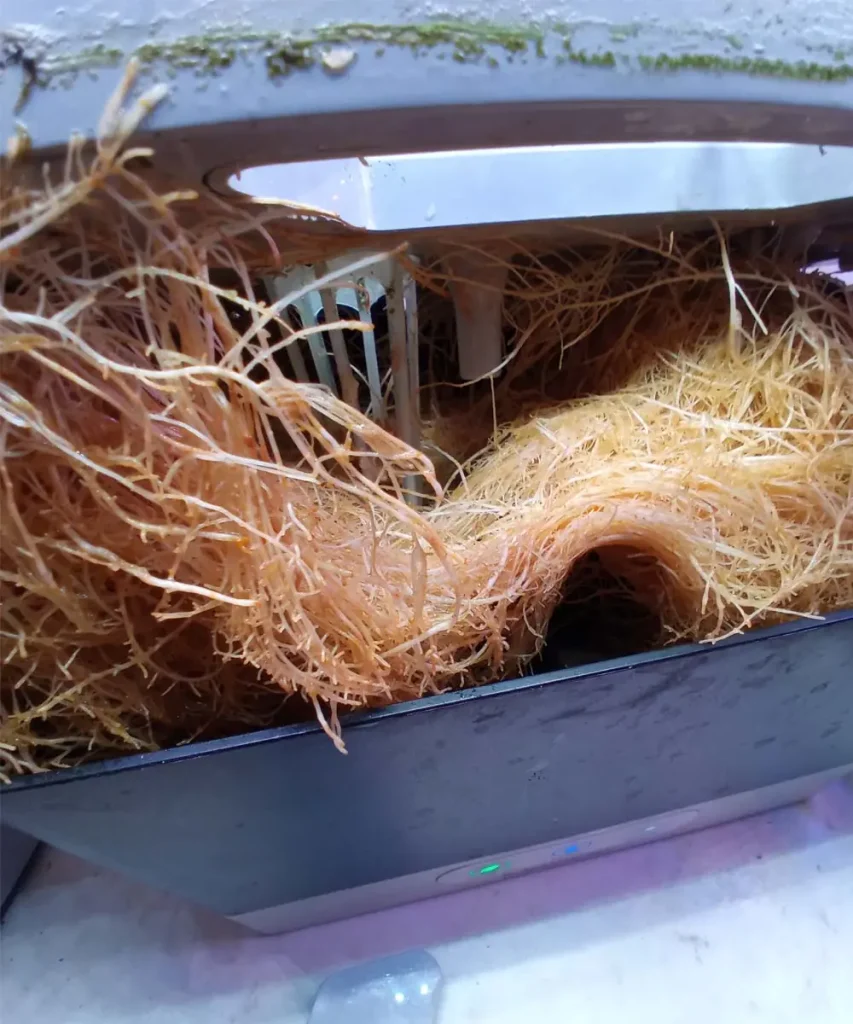
The tanks in desktop systems (like iDoo or AeroGarden) are quite small, and roots often run out of space. As a result, they grow wherever they can—including directly into the pump intake. While some manufacturers include a foam filter, it isn’t always enough to stop aggressive root systems.
A severe clog can cause the pump to seize or even burn out. To fix this:
- Sanitize: Clean the entire system with a diluted hydrogen peroxide solution before restarting to kill any lingering bacteria or algae.
- Power down: Unplug the system immediately.
- Access the pump: Remove the grow tray, drain the water, and unscrew the pump from its housing.
- Deep clean: Remove the cap covering the impeller. Pull out all roots and debris (an old toothbrush is the perfect tool for this).
Mineral Deposits and Hard Water
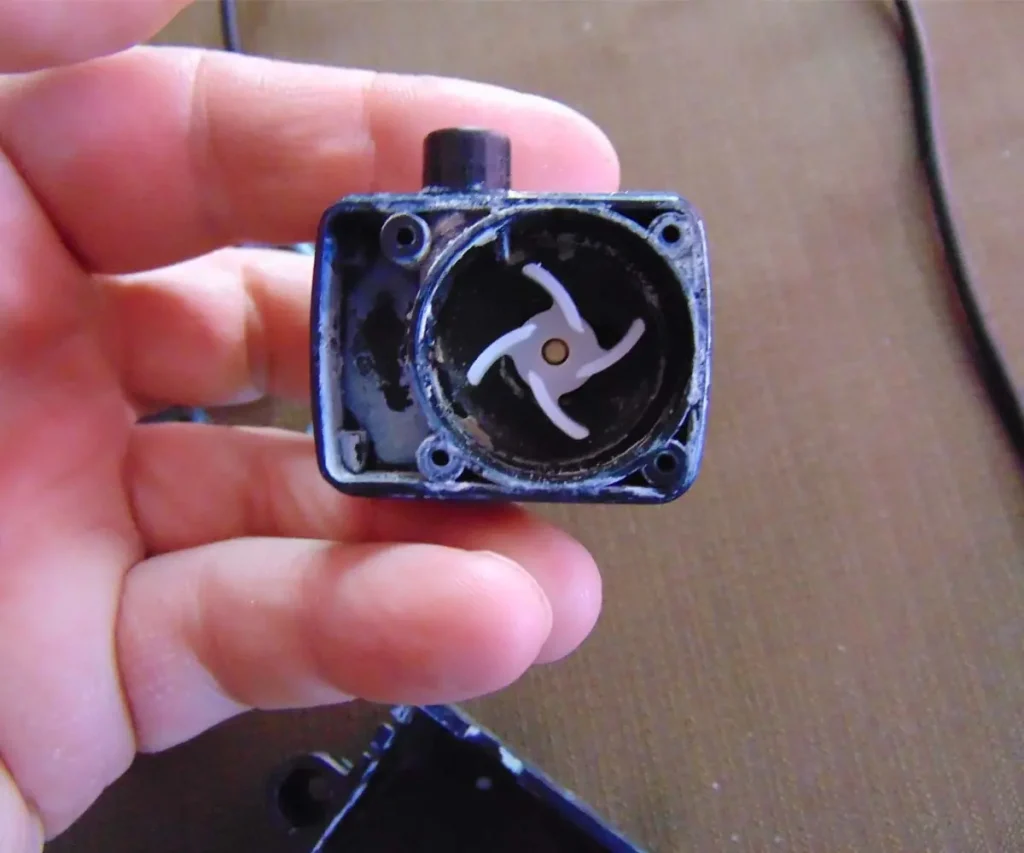
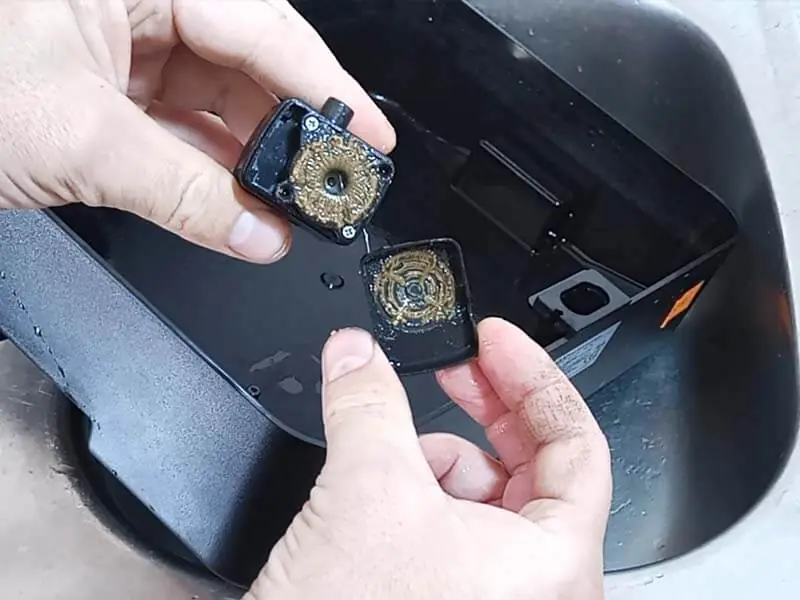
If you have hard water, mineral salts will eventually build up around the impeller. This slows down the motor, causes a distinct “squeaking” noise, and reduces water flow.
The Fix: Remove the pump and soak the components in citric acid or white vinegar. This dissolves the calcium and salt crust, allowing the magnet to spin freely again.
Normal Wear and Tear
Sometimes, despite your best efforts, a pump simply dies. In my experience, most small desktop hydroponic pumps last around 3–4 years with regular use, although lifespan depends on water quality, maintenance, and how often the system runs.
If you’ve cleaned the impeller and checked the power, but it still won’t spin, the internal electric motor has likely reached its end. In this case, replacement is your only option.
Electrical Issues
If your pump works intermittently, you likely have a loose connection. This can be a manufacturing defect or damage from repeated handling.
- The “Wiggle Test”: If the pump starts only when you move the wire, the connection is failing at the joint.
- The Fix: If you are handy with a soldering iron, you can repair the lead. Otherwise, it is safer to replace the unit to avoid mixing faulty electrics with water.
Replacement Guide
Original vs. Generic
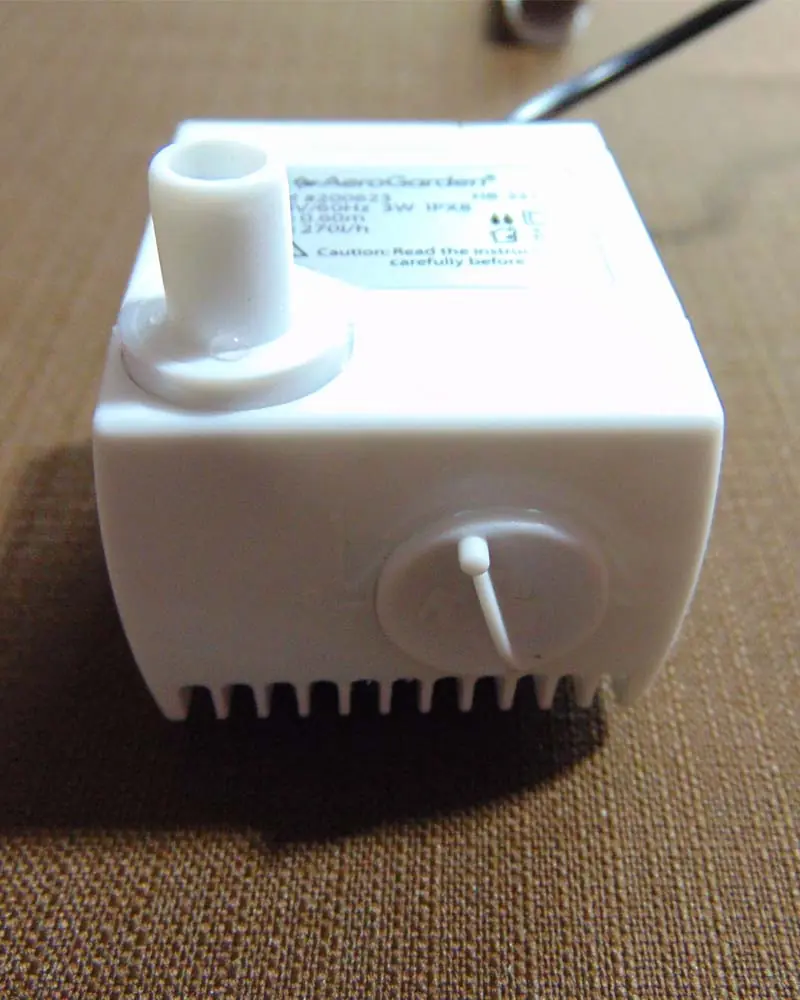
Ideally, you should replace the unit with an original part. However, while AeroGarden sells official replacement pumps, many other brands do not.
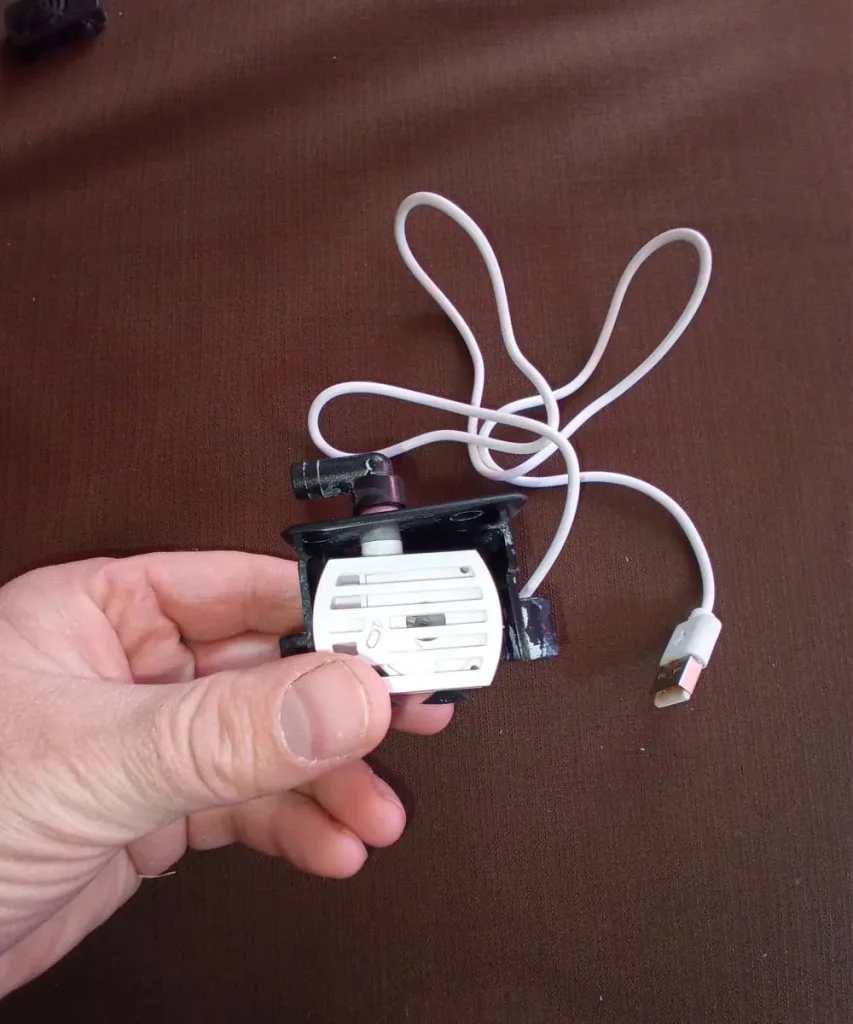
The Good News: Most “no-name” desktop gardens use standard 5V or 12V DC mini-pumps. You can find these easily on Amazon or AliExpress. Just ensure the connector (USB or jack) matches your base.
The Aquarium Pump Hack
In a pinch, a standard small aquarium pump can work. It may not fit the original mounting bracket, but as long as it creates water flow and fits in the tank, your plants will be happy.
Note: You won’t be able to plug a standard AC aquarium pump into the smart garden’s built-in timer. You will need to plug it into an external wall timer instead.
The Air Stone Alternative
I have successfully run systems using a Deep Water Culture (DWC) approach. Instead of a water pump, I install an air stone connected to an external air pump. The rising bubbles oxygenate the water and create enough movement to prevent stagnation and root rot, often resulting in even faster growth.
Pro-Tips for Pump Longevity
- Monthly Maintenance: Clean the pump at least once a month using an old toothbrush.
- Never Run Dry: Running a pump without water will overheat the motor and kill it in minutes.
- Root Grooming: Don’t be afraid to trim your roots if they start invading the pump housing.
- Add a Filter: If your pump doesn’t have a foam pre-filter, you can cut a small piece of coarse aquarium sponge and fit it over the intake.
- Vinegar is King: A quick vinegar soak during every “Reset & Replant” cycle will prevent 90% of mineral-related failures.