
I’ve spent considerable time testing various hydroponic setups to see which truly delivers when it comes to the “heavy feeders” of the garden: tomatoes. After experimenting with several systems, I’ve identified a clear winner for both yield and ease of use.
⚡QUICK ANSWER: The most effective hydroponic method for growing tomatoes is Deep Water Culture (DWC). This method provides the massive root space and structural freedom necessary for tomatoes to thrive and produce a heavy harvest.
| Feature | DWC | NFT | Kratky | Ebb & Flow |
| Yield Potential | High | Medium | Low/Medium | High |
| Root Health | Excellent (Oxygenated) | High (Thin Film) | Moderate (Risk of rot) | High |
| Setup Cost | Low (~$30) | High | Minimal | Moderate |
| Maintenance | Easy | Complex | Very Easy | Moderate |
Efficiency and Yield
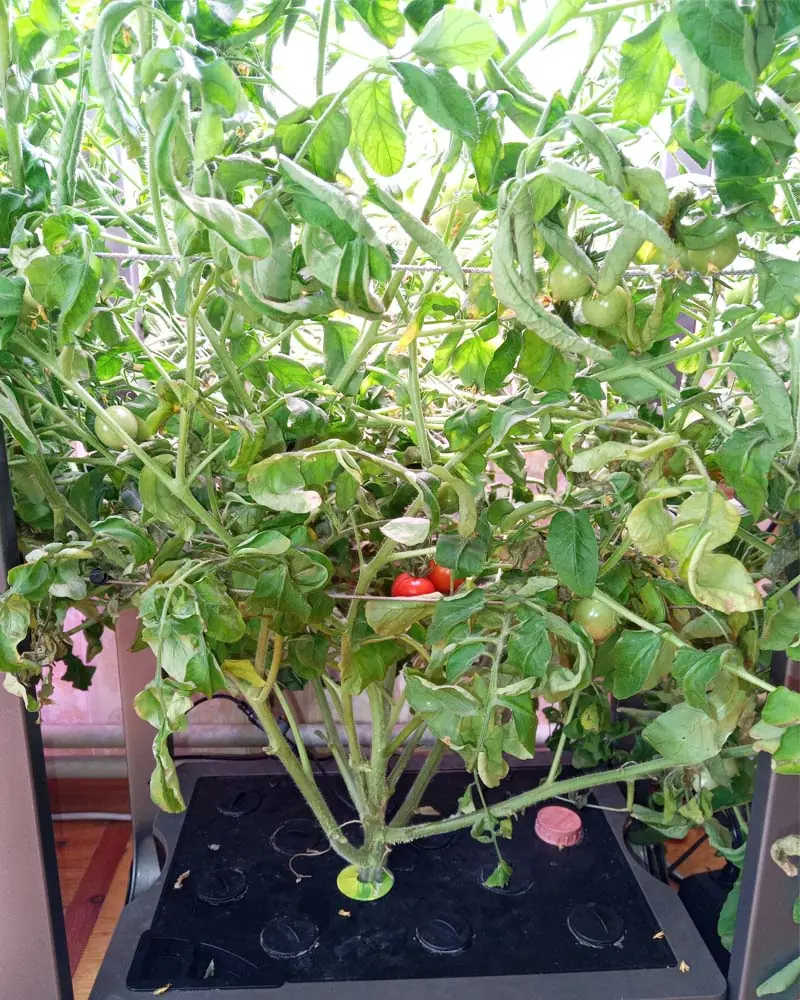
The primary reason DWC wins for tomatoes is root volume. In a DWC system, roots are suspended directly in a reservoir with unlimited room to expand. Since the size of the harvest is directly proportional to the size of the root system, DWC naturally leads to higher yields.
In contrast, Nutrient Film Technique (NFT) often struggles with tomatoes. The aggressive root systems of indeterminate varieties can quickly clog the narrow channels, causing overflows and nutrient blockages. Furthermore, DWC offers more flexibility for vertical growth. Because the plants are anchored in a sturdy lid, it is much easier to integrate a trellis system to support vines that can reach 6–10 feet in height.
Read also: Why the NFT Tower is the Most Efficient Hydroponic Method for Lettuce
Plant Health
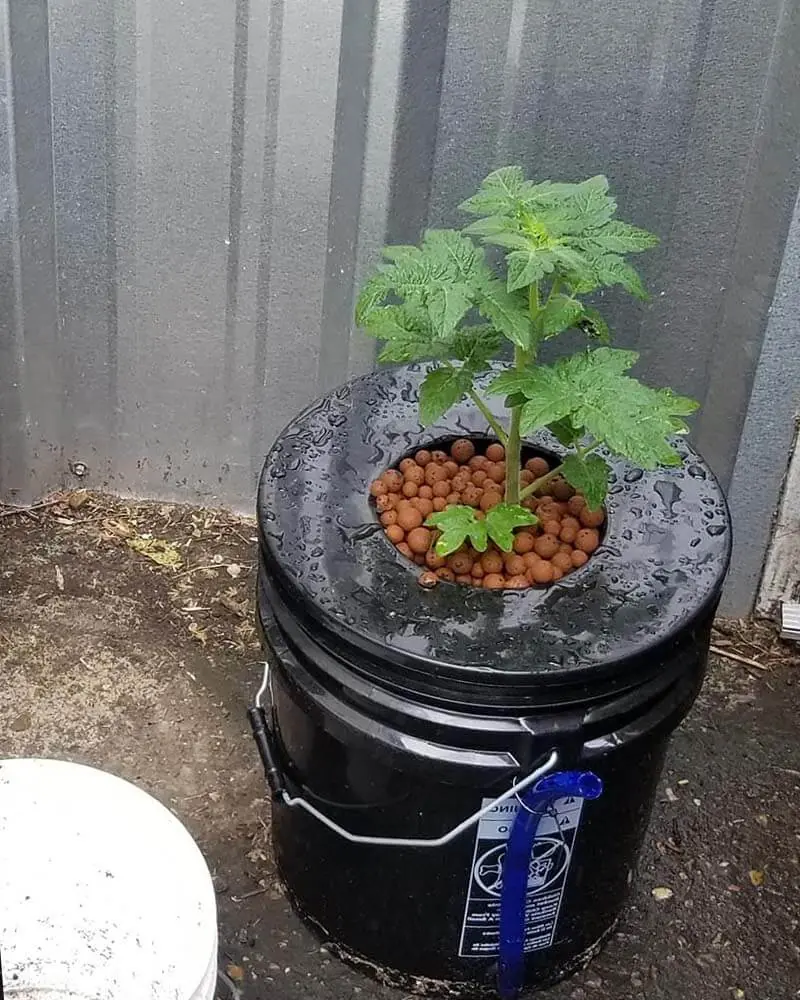
Plant health in DWC is driven by active aeration. By using an air pump and air stones, the nutrient solution stays highly oxygenated, which accelerates growth and prevents root rot. This is the main drawback of the Kratky method; without active circulation, the “air zone” for the roots can become stagnant, increasing the risk of pathogens.
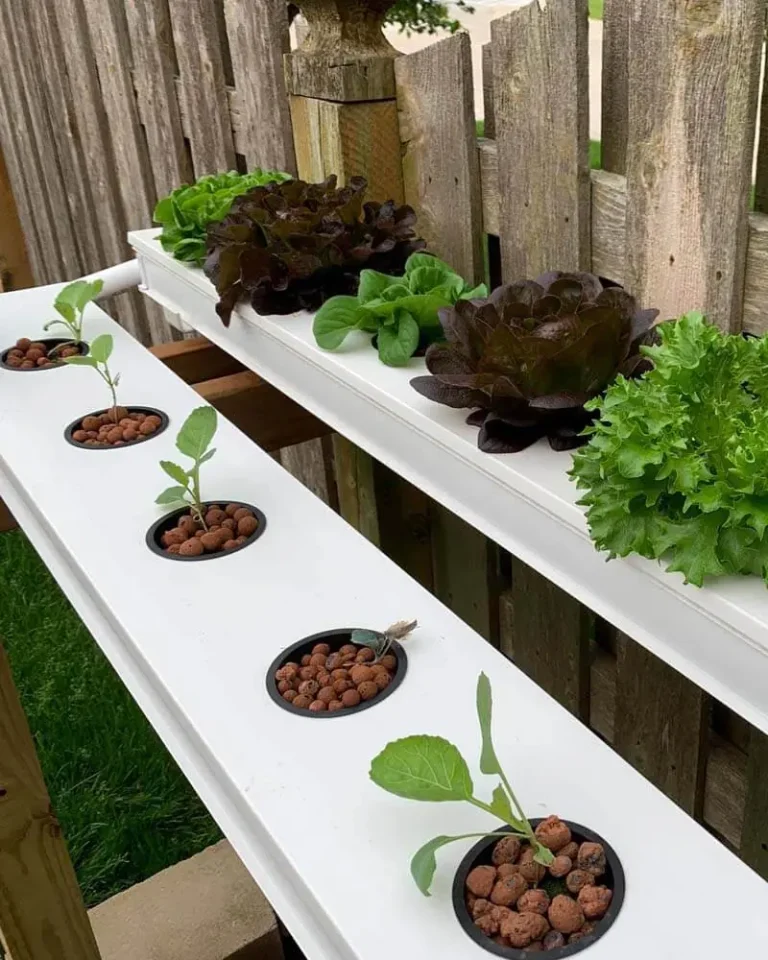
NFT also provides excellent oxygenation because the roots are only partially submerged in a thin film of water. In my experience, NFT plants rarely suffer from rot, but the system is far less “forgiving.” If your water pump fails in an NFT system, the roots can dry out and kill the plant within hours. In DWC, the roots remain submerged, giving you a much larger safety buffer.
Read also: Top 6 Fastest-Growing Hydroponic Plants for Instant Harvests
Entry Threshold and Setup Costs
DWC is incredibly accessible for beginners. You can build a high-performing system for about $30 using a 5-gallon bucket, a net pot, a lid, and an inexpensive air pump. It requires no specialized plumbing or complex tools.
NFT sits at the opposite end of the spectrum. It requires a powerful water pump, a precise incline for the channels, and a complex manifold to distribute the solution evenly. This makes it one of the most expensive and technically demanding systems to build or buy. The Kratky method is the cheapest option since it requires no electricity at all, but the trade-off in plant health and growth speed is significant.
Read also: Best Way to Cool Hydroponic Water (I Tested 6 Popular Methods)
Operating Costs
Running a DWC system is remarkably budget-friendly. Beyond the cost of nutrients and water, the only ongoing expense is the electricity for the air pump. In my last grow cycle, I spent only $2.50 on electricity from seedling to final harvest.
In an NFT system, the costs are notably higher because water pumps generally draw more power and run continuously to prevent root desiccation. For the same growth period, electricity for an NFT pump cost me roughly $11.00.
Kratky performs best in this regard. Growing costs include fertilizer and water.
Read also: Ranking Hydroponic Systems by Cost, Yield, and Maintenance
Maintenance and Support
DWC maintenance is straightforward: monitor your pH/EC levels and top off the reservoir as the plants “drink.” The only real challenge is managing the physical weight of the plant. Because hydroponic tomatoes grow so rapidly, they require a robust trellis system to prevent them from toppling.
While Ebb and Flow (Flood and Drain) is also highly effective and shares similar efficiency with DWC, it requires more moving parts and a more complex reservoir setup. For the home grower or the entrepreneur looking to scale, DWC offers the best balance of low cost and high performance.
Read also: The Most Forgiving Hydroponic Crops for Beginners
Share This Post