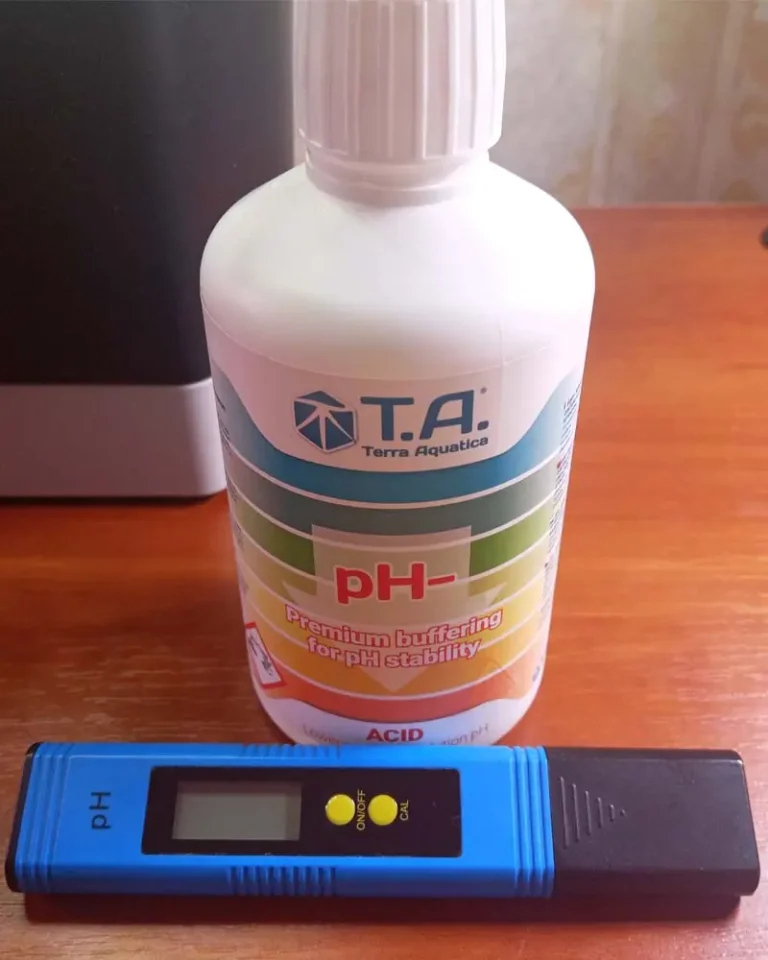
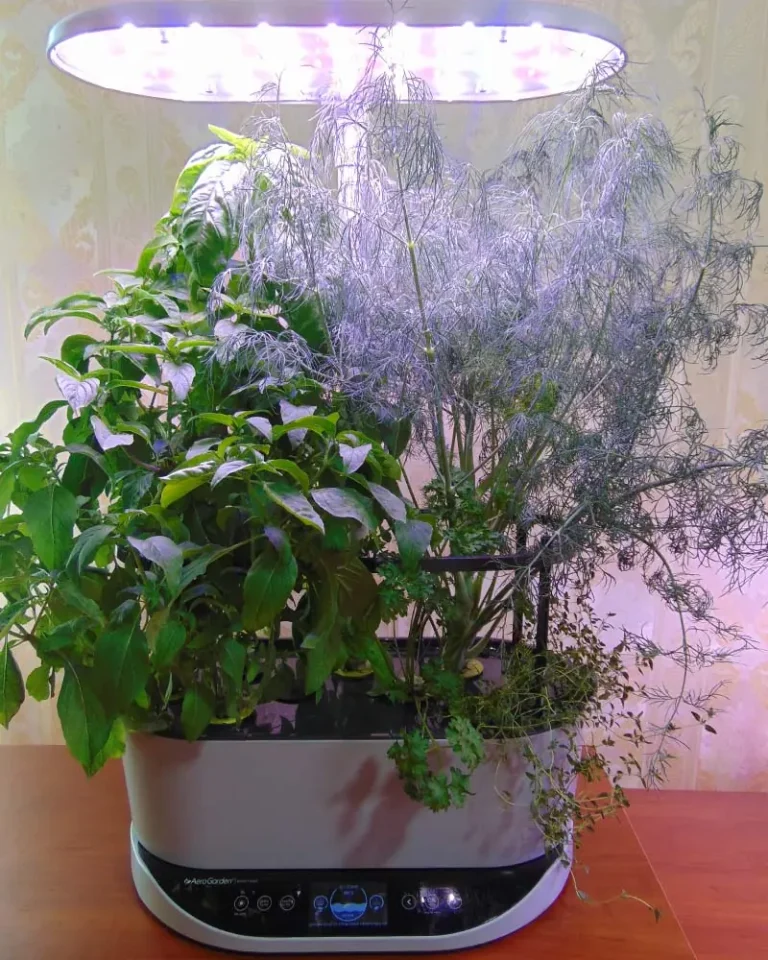
When I first saw “fuzz” in my AeroGarden, I panicked. However, after researching the issue and testing various solutions, I discovered that not all white growth is harmful.
⚡QUICK ANSWER: In most cases, white growth appears on organic matter, such as the grow sponges or decaying plant debris. This is usually harmless and only affects the garden’s appearance. The second type appears near seedlings; this is often a beneficial fungus that helps young plants absorb water and nutrients.
1. Mold on Grow Sponges
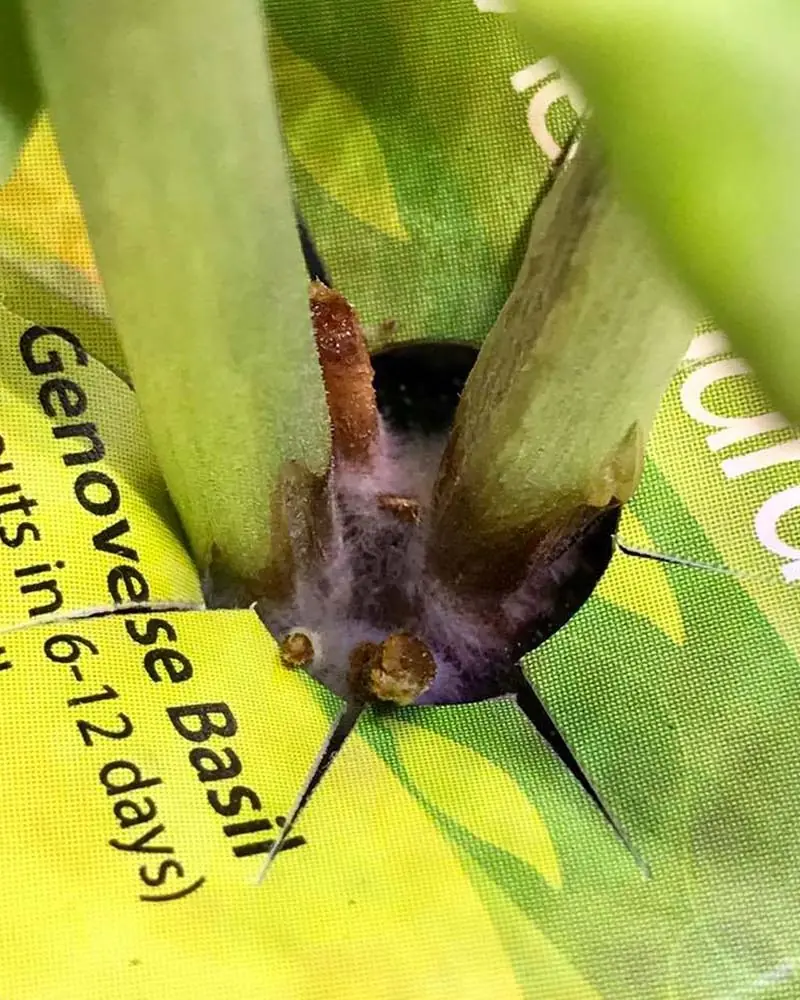
Most often, mold appears on the surface of the grow sponges and does not pose a serious threat. It feeds on the sponge material or dead plant matter.
Note: If mold appears directly on a mature plant, it may be a sign of an underlying issue, such as root rot. While the surface mold itself isn’t a “killer,” it must be addressed.
Common Causes:
- High Temperatures: Water or ambient air that is too warm.
- Poor Air Circulation: Stagnant air around the plants.
- Low-Quality Sponges: Using non-sterile or cheap third-party replacements.
- Water Quality: High organic content in the starting water.
How to Fix It: If you see mold on the sponges, dip a cotton swab in 3% hydrogen peroxide. Gently wipe the mold off the sponges and the base of the plants. You can also use a paper towel for larger areas.
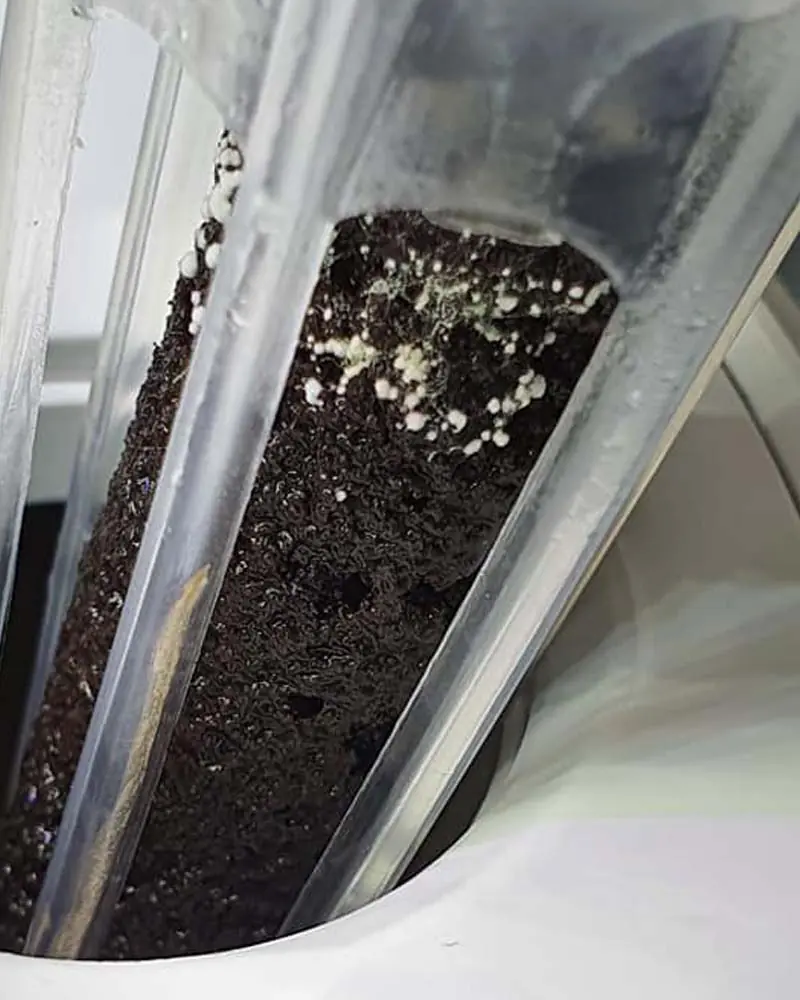
Prevention Tips:
- Keep it Cool: Do not place your AeroGarden near heaters or in direct, scorching sunlight.
- Add Airflow: Use a small fan near the system for 30 minutes, 2-3 times a day.
- Prune for Air: Trim lower branches and dead leaves to improve circulation around the pods.
- Use Covers: Always use the stickers (labels) on your net pots to block light.
- Fresh Water: Perform a full water reset every 2 weeks.
2. Beneficial Fungi on Seedlings
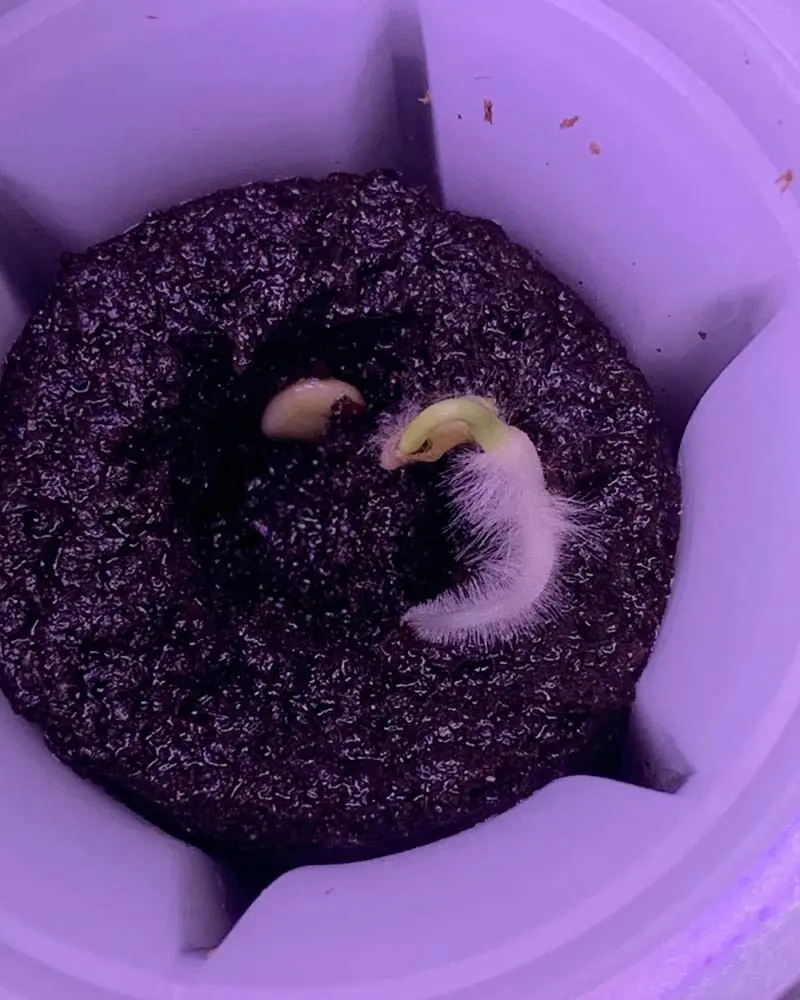
When young plants emerge, a fine white “fuzz” often forms on their stems. This is frequently a beneficial symbiotic fungus. It helps the seedling establish itself by improving nutrient uptake.
The Golden Rule: You don’t need to do anything about this. Once the plant develops a robust root system, this fuzz typically disappears on its own. Attempting to “clean” a delicate seedling can damage it or even kill it.
3. Mold on Roots vs Air Roots
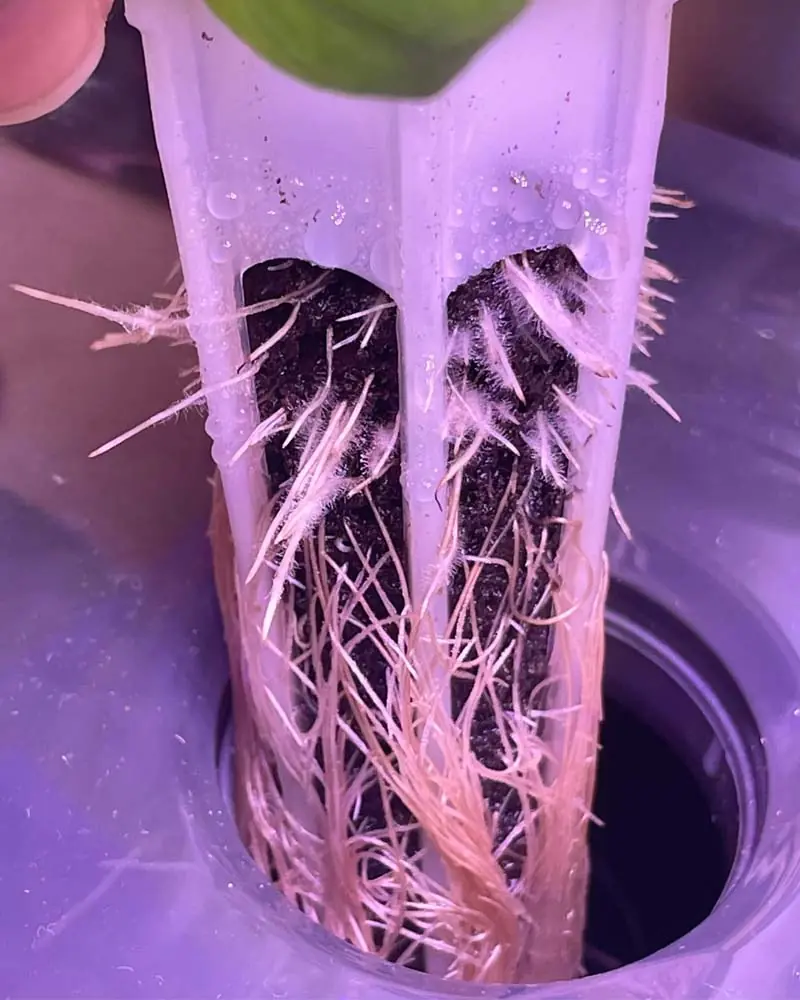
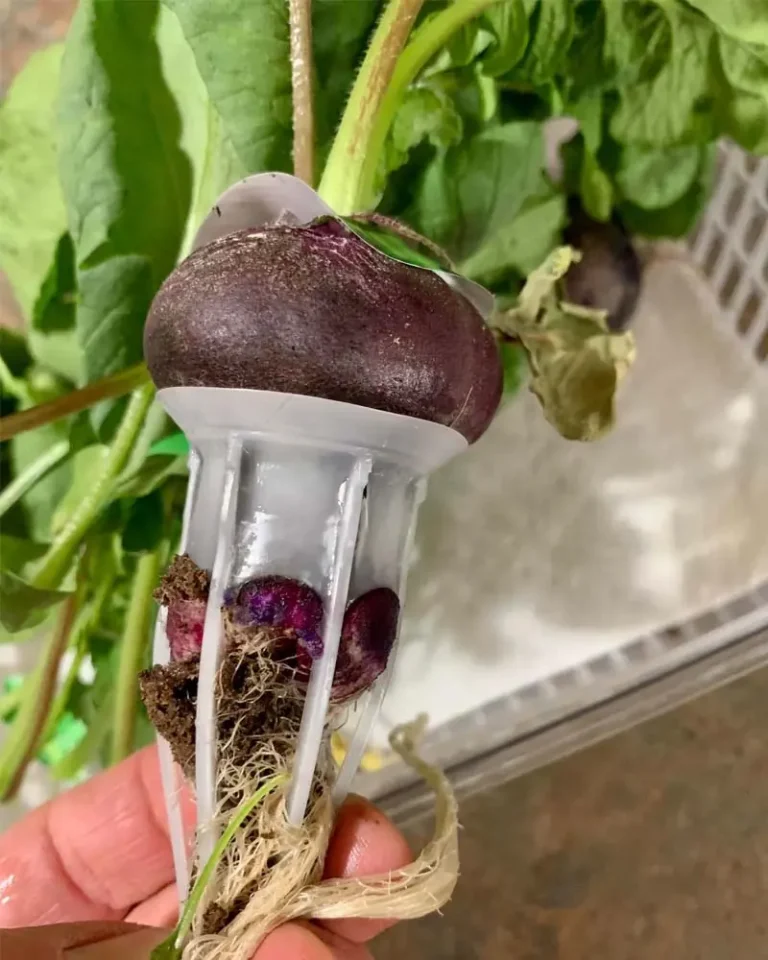
Air Roots (Healthy) Air roots are easily confused with mold. They look like tiny, white, fuzzy branches growing off the main root fibers above the water line. Plants grow these to “breathe” more oxygen.
The Fix: If you fill the tank to the “Max” line, they may submerge and look like regular roots again. They are a sign of a healthy, oxygen-hungry plant.
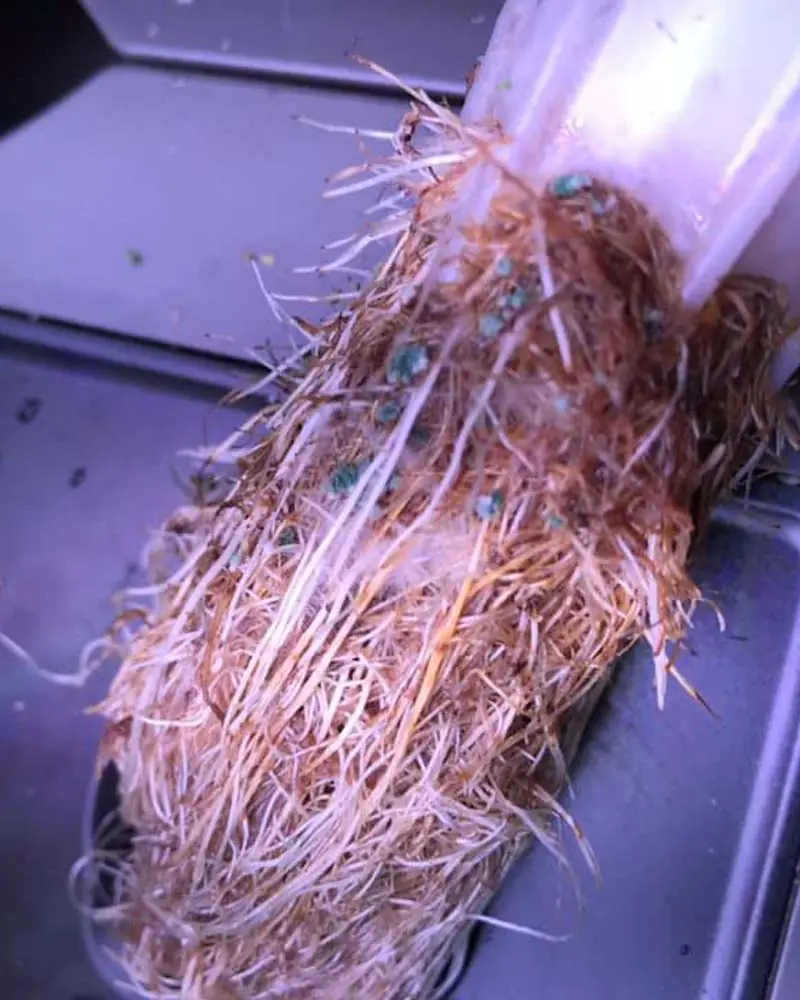
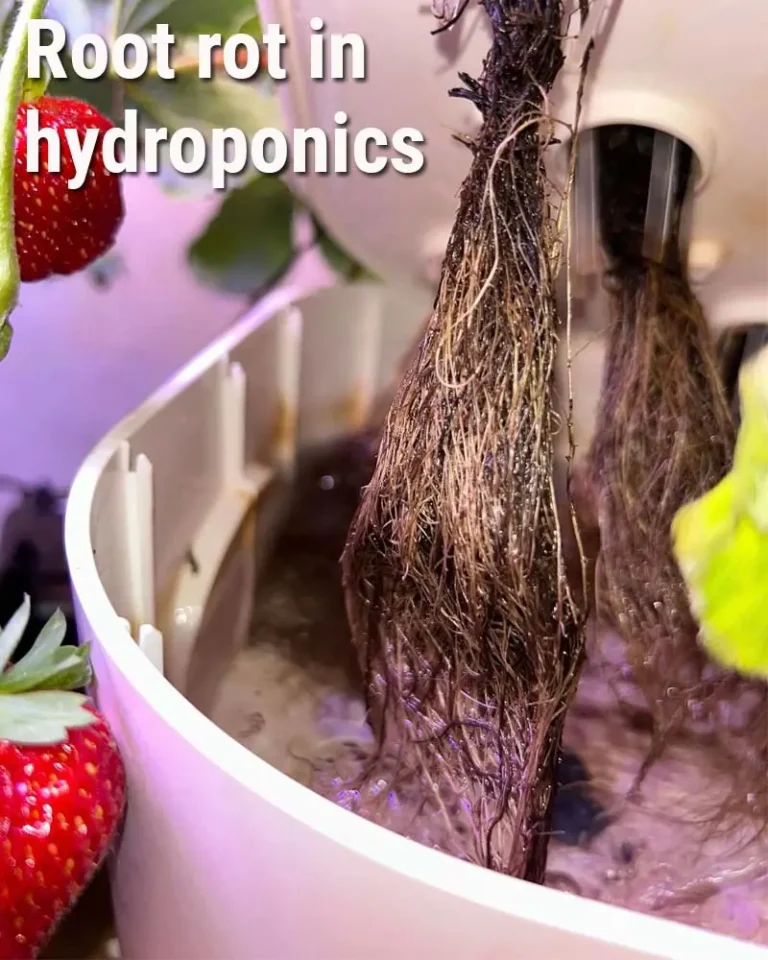
Root Mold and Rot (Harmful) Pathogenic mold on roots looks like a slimy, thin web with gray or black spots. The roots themselves will turn brown and emit a foul, swampy smell.
The Fix: Remove the plant and rinse the roots under lukewarm running water to remove the slime. Trim away any mushy, brown sections. Disinfect your tank and add one tablespoon of 3% hydrogen peroxide per gallon of fresh water to the reservoir to kill remaining spores.
FAQ:
1. Is the mold on my AeroGarden pods harmful to my health?
It is not dangerous unless ingested or if you have a specific mold allergy. However, it’s best to remove it from the sponges for hygiene and wash your harvest thoroughly before eating.
2. Why did mold appear even though I used the stickers?
Stickers block light (which prevents algae), but mold thrives on moisture and warmth. If your water is too warm or the air is stagnant, mold can still grow under the sticker.
3. Can I use cinnamon to get rid of the fuzz?
Yes! Cinnamon is a natural fungicide. You can lightly sprinkle it on top of the sponge, but wait until the plant is a few inches tall so you don’t smother the emerging seedling.
Share This Post