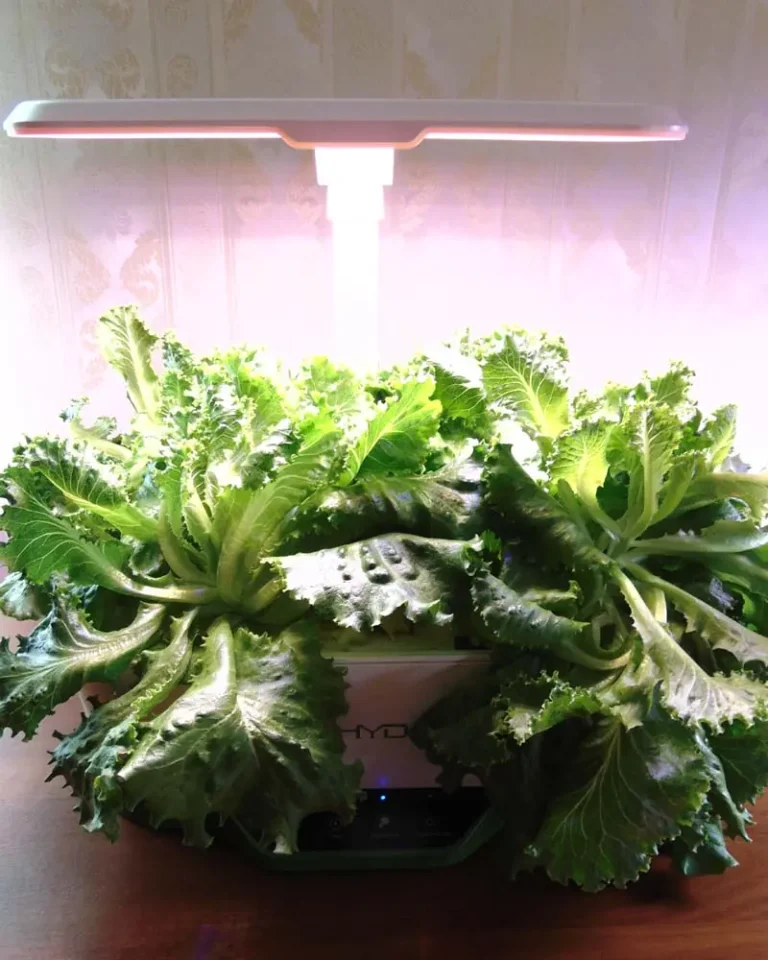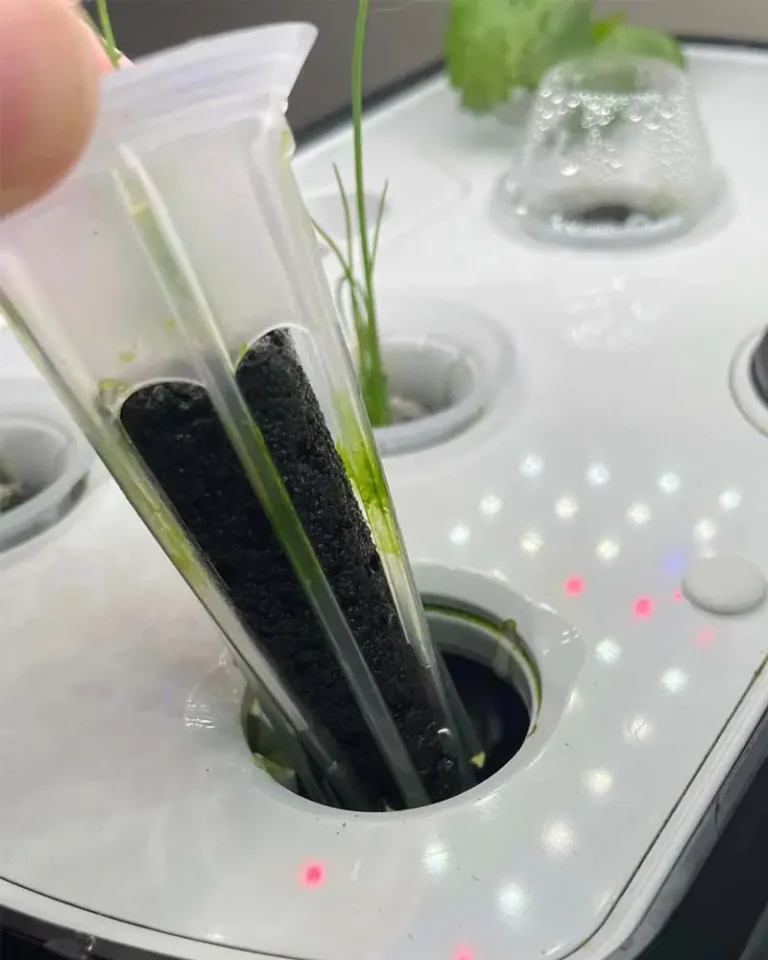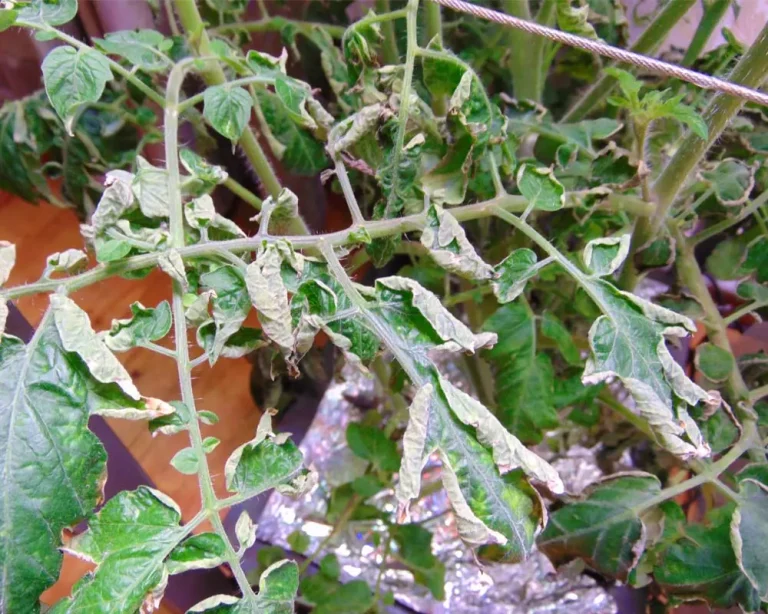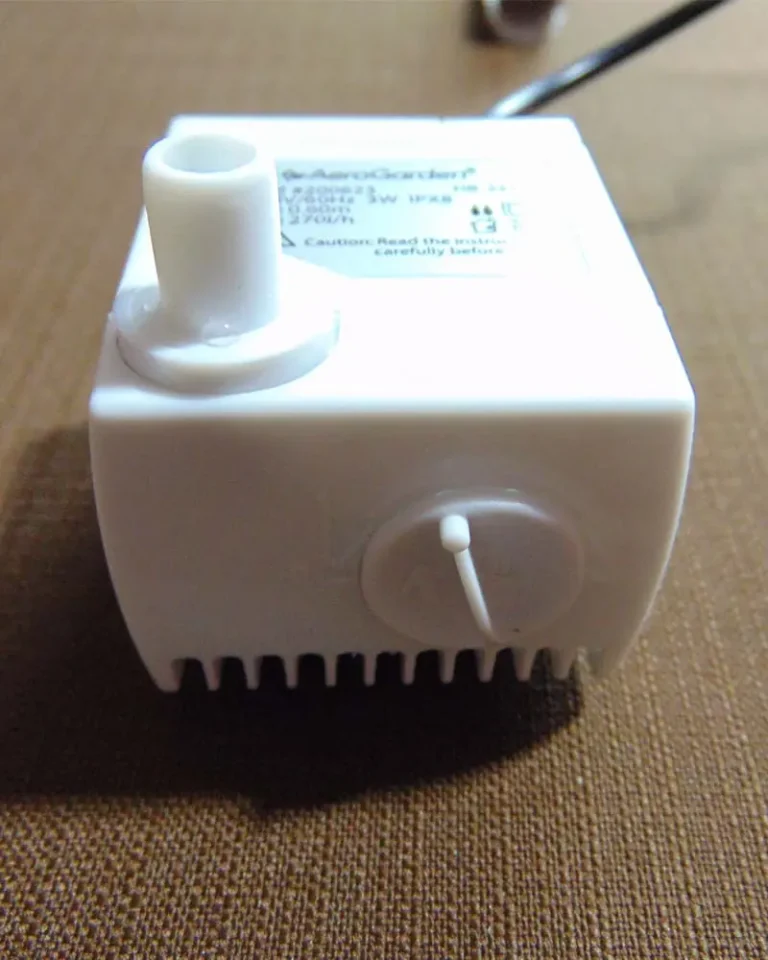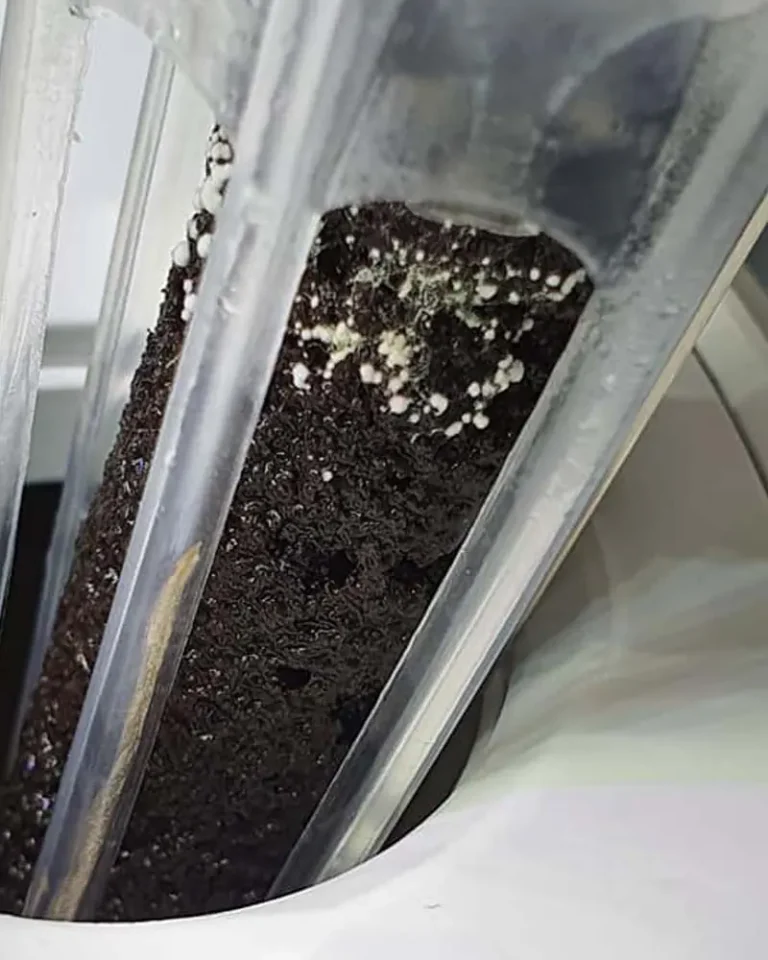

The AeroGarden Harvest is one of the systems I used when I started learning about indoor hydroponics. While it is an excellent entry-level unit, its compact design comes with a few inherent drawbacks. Over multiple grow cycles, I have run into a few recurring issues.
Here are the six most common problems with the AeroGarden Harvest and exactly how I solve them.
1. Limited Tank and Deck Size
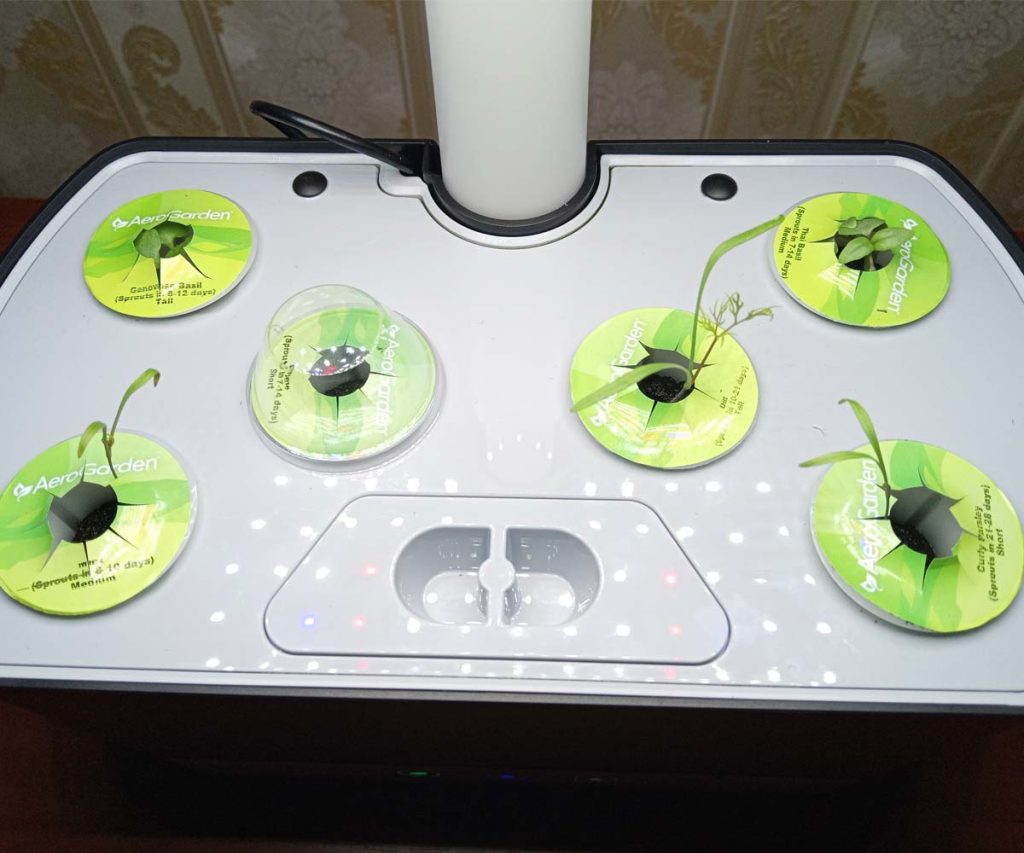
One of the Harvest’s main drawbacks is its physical footprint. Although the grow deck features six pod openings, the internal tank capacity simply cannot support six mature plants simultaneously. Attempting to fill every slot inevitably leads to root crowding and light competition.
To counter this, I strictly stick to compact plant varieties or dwarf cultivars that naturally capping their growth.
Best Compact Plants for the Harvest:
- Dwarf varieties of Genovese Basil
- Thai Basil
- Chives
- Curly Parsley
- Thyme
- Mint
Grower’s Tip: If you decide to grow larger fruiting plants or heavy feeders in this system, plant a maximum of two pods and keep up with a strict pruning schedule.
2. Low Light Intensity and Height
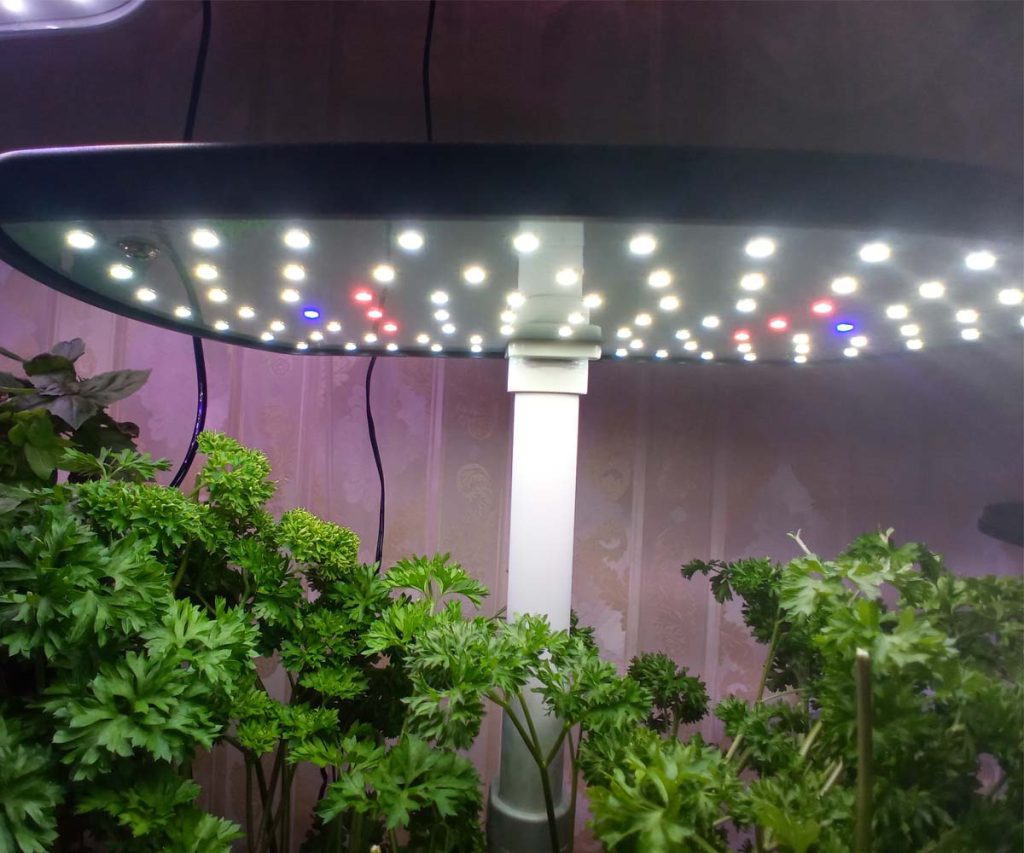
The second issue lies in the LED hood. While the technical specifications rate the light panel at 20 watts, the actual output is relatively modest. It does not provide enough intensity to successfully harvest light-hungry crops like standard cherry tomatoes or hot peppers. Furthermore, LED diodes naturally lose a percentage of their brightness over extended use, compounding the issue.
The physical adjustment height is also limited, meaning tall, fast-stretching herbs like dill will quickly hit the panel.
I adapt to these lighting limitations with a two-pronged strategy:
- Selective Planting: I prioritize short salad greens that thrive under lower light intensities, such as Tom Thumb Lettuce, Black Seeded Simpson, and Arugula.
- Aggressive Canopy Management: The moment a plant approaches the LED glass, I trim the top growth back immediately to maintain a safe 1-to-2-inch clearance gap and prevent leaf burn.
3. Lack of Trellis System
Unlike larger models in the AeroGarden lineup, the Harvest does not include a built-in trellis system. This makes supporting top-heavy or leaning plants difficult. Because the compact grow deck lacks integrated mounting points, adding an aftermarket trellis frame later is not an option.
To solve this, I rely on manual structural support. If a plant begins to lean or sag under its own weight, I carefully tie the main stems directly to the central metal support post of the light panel. Regular canopy pruning also helps keep the plants well-balanced so the structural branches don’t droop to the side.
4. Rapid Water Quality and pH Fluctuations
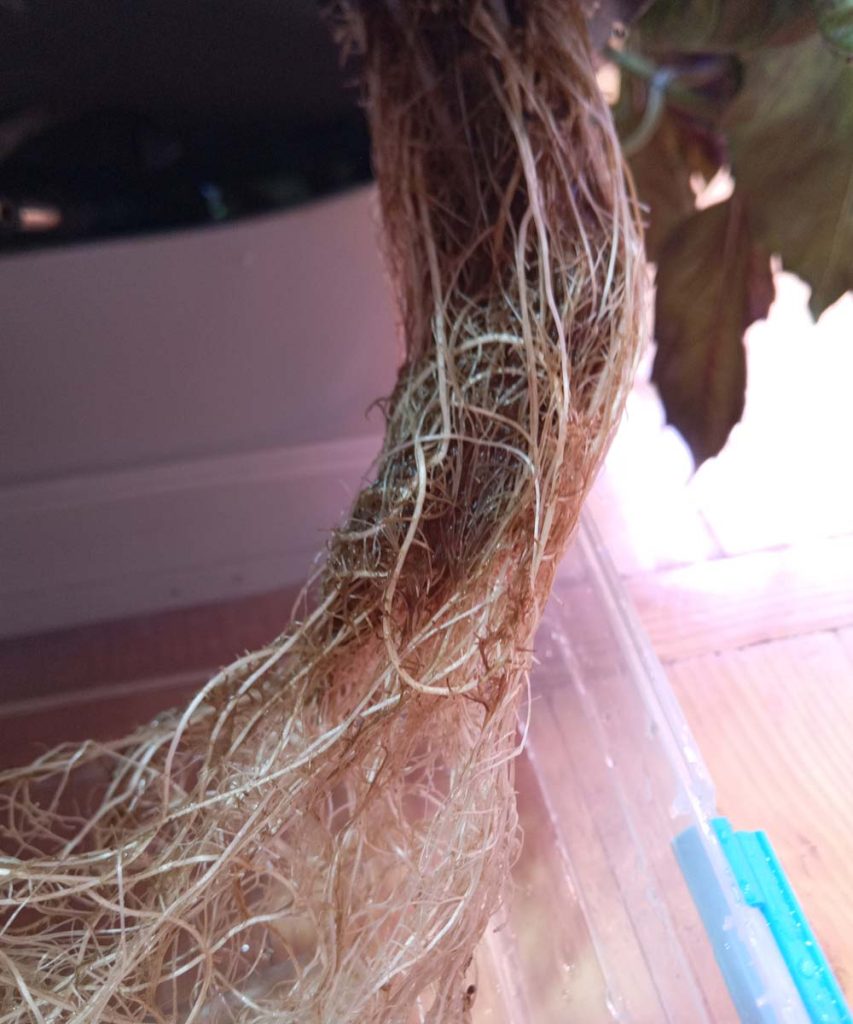
Small hydroponic reservoirs suffer from low water volume stability. While the Harvest features an integrated water pump to distribute nutrients, the overall water movement is not sufficient to provide high dissolved oxygen levels. Low oxygen environments invite pathogens, frequently triggering root rot.
Furthermore, a low-volume reservoir makes stabilizing water chemistry incredibly volatile. The pH fluctuates constantly, and adding standard doses of pH-Down directly to the small tank can easily lead to accidental nutrient lockout.
My Water Management Routine:
I drop a small aquarium air stone connected to an external air pump into the reservoir. The continuous stream of bubbles maximizes oxygenation and prevents root diseases.
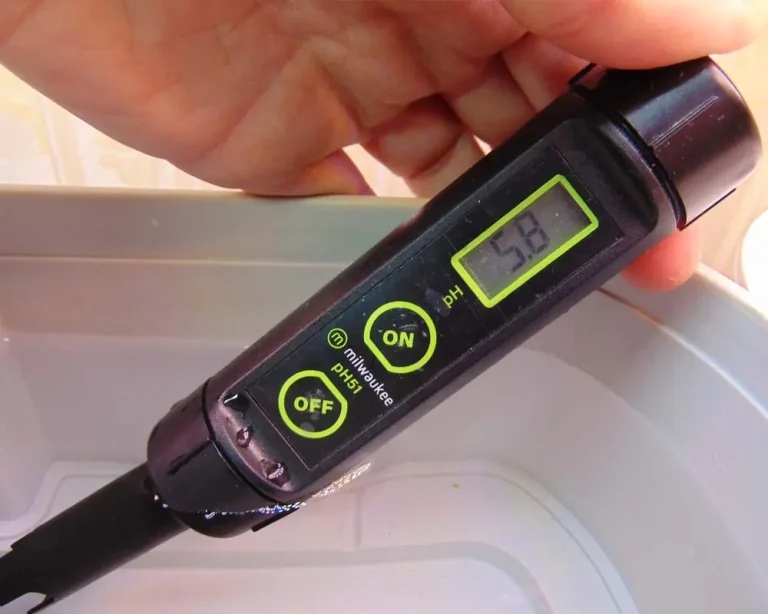
I never adjust pH directly inside the AeroGarden. Instead, I fill a 3-gallon bucket with fresh tap water, balance the pH perfectly in the bucket, and use that stabilized water to top off the Harvest tank throughout the week.
5. Quick Water Overheating
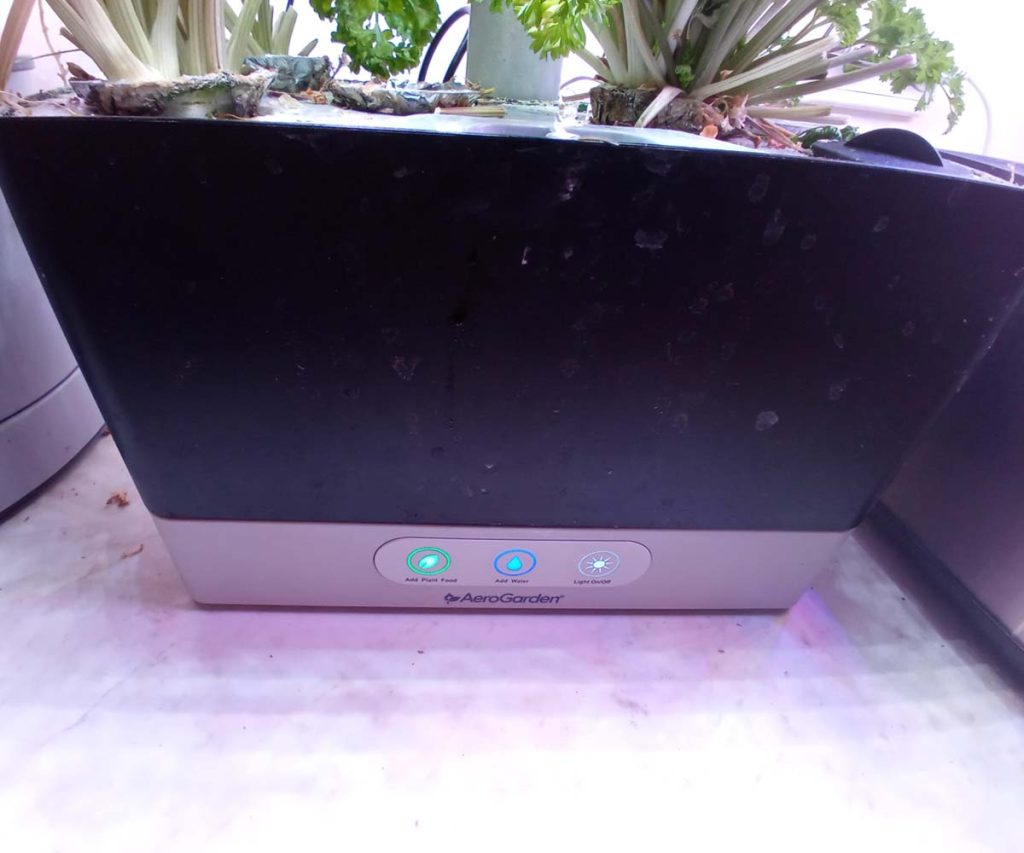
Small reservoirs absorb ambient heat rapidly. During high summer temperatures, or if the unit is positioned near a sunny window, the water temperature can quickly climb to dangerous levels. Interestingly, the LED panel itself can radiate enough ambient heat to warm the reservoir if the hood is locked in its lowest position.
When water temperatures exceed 75°F (24°C), the water loses its capacity to hold dissolved oxygen. This stalls plant growth and causes leaves to yellow.
To keep my water cool, I run a small external fan nearby to circulate air across the system. This drops the water temperature via surface evaporation and helps clear humid microclimates from the plant canopy. Additionally, I keep the unit entirely clear of direct window sunlight and household heat registers.
6. Root-Clogged Water Pumps
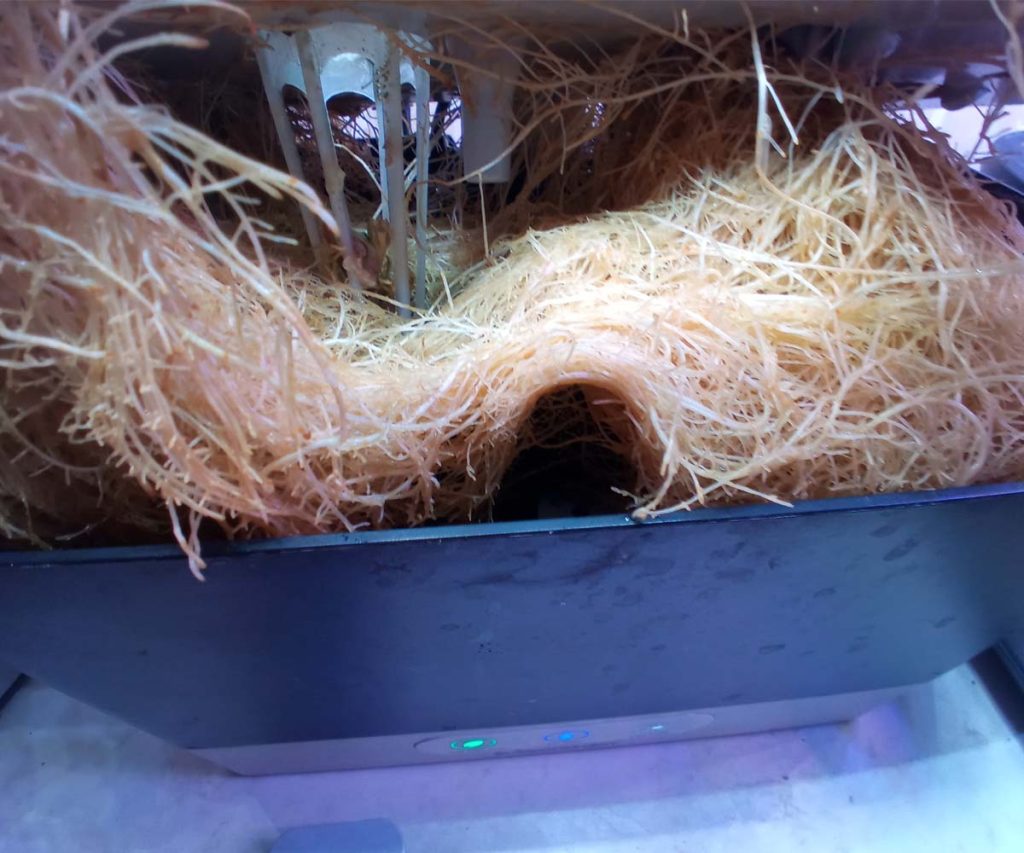
Because the reservoir is small, vigorous root systems quickly run out of room. Seeking moisture and flow, the roots will migrate directly into the pump housing, wrapping around the impeller and choking off the water flow. I used to have to dismantle and clean the pump constantly, and I even had to replace a burnt-out pump unit.
As plants reach full maturity, their daily water consumption spikes dramatically, sometimes requiring manual top-offs every single day.
How I Protect the Pump
Every few weeks, I pull the grow deck up and inspect the root mass. Using sterile scissors, I carefully trim back trailing roots, removing no more than one-third of the total mass to safeguard the pump intake.
Keeping the system populated with only 1 or 2 compact plants dramatically reduces the overall root volume, preventing pump clovers before they start.
Share This Post