
After several years of gardening with the AeroGarden Bounty, I’ve concluded that certain plants are simply better suited for this system than others. To help simplify your hydroponic journey, I’ve put together this list of the best vegetables and herbs to grow at home.
Dill
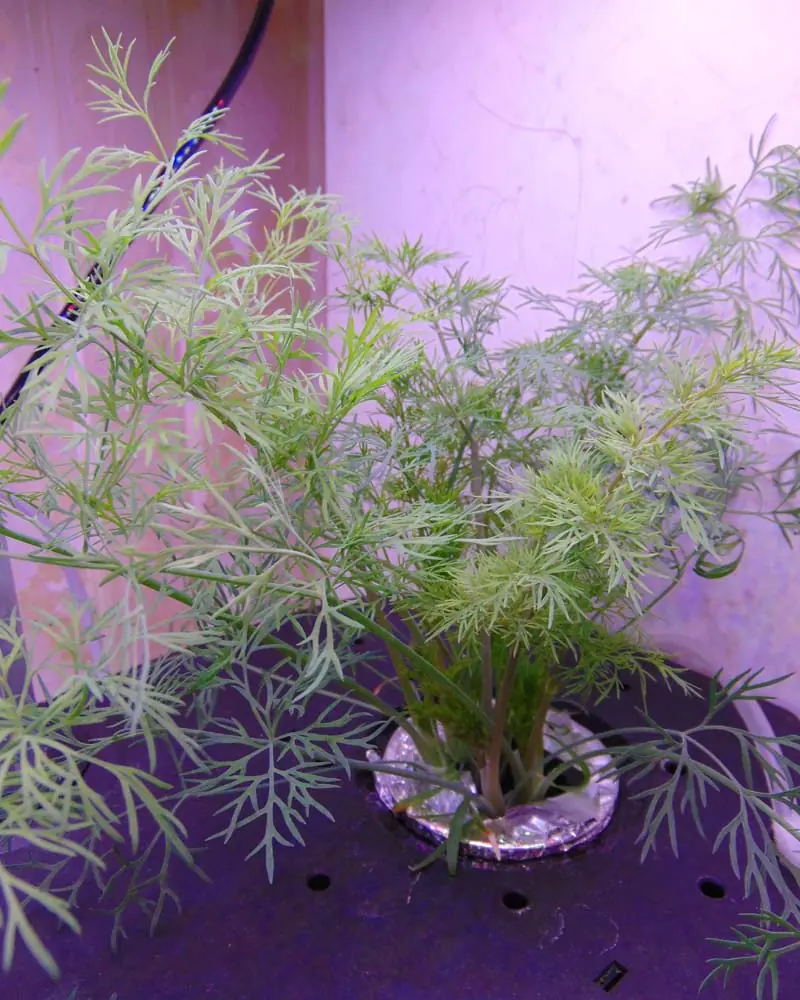
Dill is one of the easiest plants to grow in a compact hydroponic setup. I personally add this herb to almost everything I cook, and thanks to the AeroGarden, I always have it fresh and on hand.
- Pros: It is incredibly hardy regarding nutrient solution composition and pH levels. The leaves rarely yellow, and the roots are highly resistant to root rot.
- Cons: Height is the main issue. Dill grows very fast and can quickly surpass the maximum height of the AeroGarden light hood. You’ll need to prune it regularly to keep it in check.
- Capacity: You can comfortably grow two full-sized dill plants simultaneously in this system.
Read also: The Ultimate Guide to Growing Lush Dill in Your LetPot Max
Basil
Basil is another beginner-friendly favorite, especially the Genovese variety. It grows rapidly and produces large, lush leaves that are perfect for pairing with tomatoes.
- Pros: It’s low-maintenance, fast-growing, and generally disease-free. It requires very little pruning, except when it starts to bolt (flower).
- Cons: Basil is sensitive to pH levels, preferring a range of 5.5–6.0. If the pH climbs too high, the leaves may begin to yellow. It is also susceptible to root rot, which can be prevented with proper water aeration.
Read also: Growing Basil in an AeroGarden Bounty
Parsley
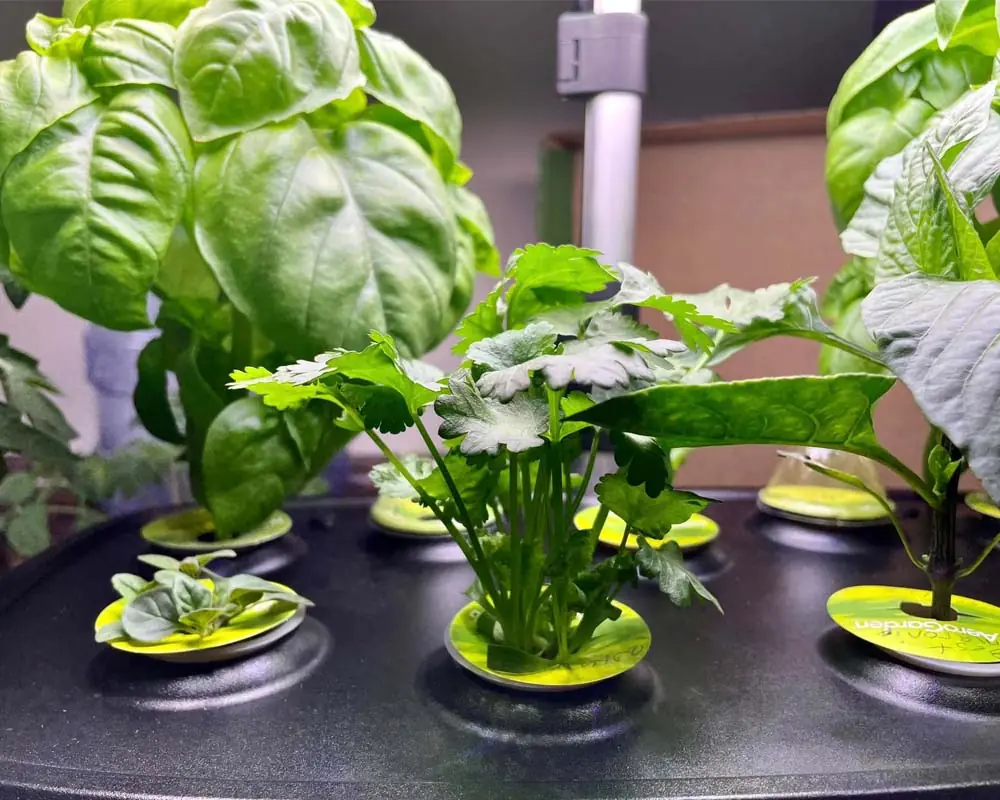
A staple in every kitchen, parsley is a top choice for home hydroponics.
- Pros: The AeroGarden Bounty is perfect for parsley because the light hood offers more than enough clearance for its maximum height. Since the plant is compact, you can grow several bunches at once.
- Cons: It can be picky about water quality. Furthermore, parsley has a very long germination period—sometimes it takes so long you might think it isn’t going to sprout at all. However, once the bush established, it will provide a harvest for a long time.
Read also: A Guide to Growing Fairytale Eggplants in Your AeroGarden Farm 12XL
Lettuce

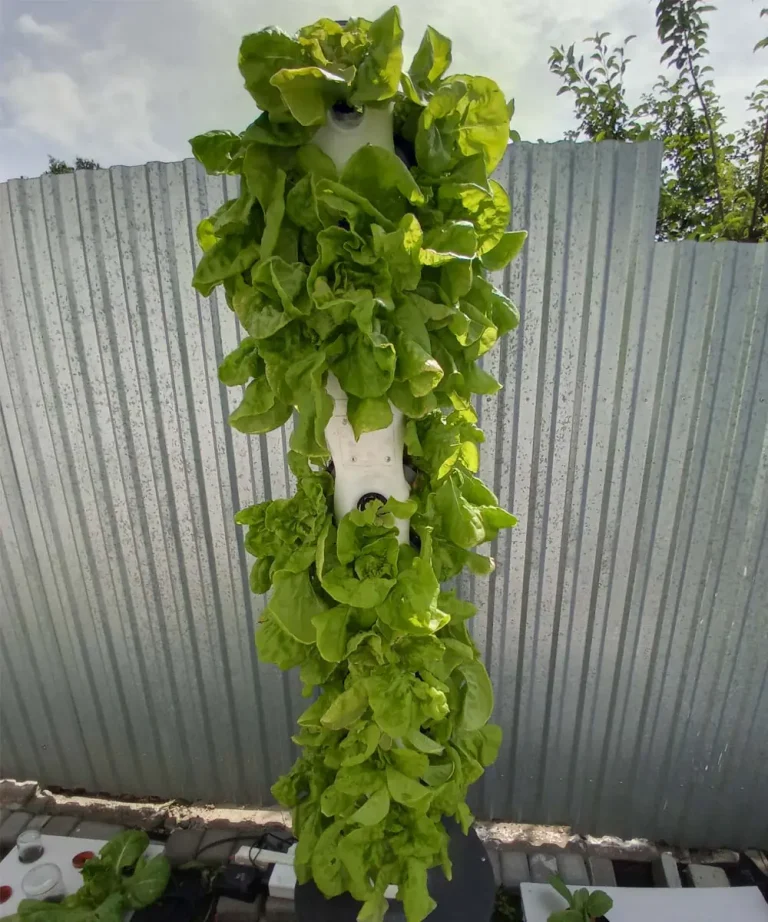
You can’t have a hydroponic garden without lettuce! It is the simplest and most forgiving plant to grow. It matures so quickly that you can start harvesting leaves in just one month.
- Pros: The Bounty’s light output is more than sufficient for high-quality yields. With a vast variety of cultivars available, it’s an essential source of fresh greens for any diet.
- Cons: Space is the limiting factor. You likely won’t be able to grow more than four heads at once, as the deck area is a bit cramped compared to systems like the LetPot Max.
- Pro-Tip: Lettuce needs good airflow to remove moisture from its large leaves and prevent brown spots (tip burn). It is also sensitive to calcium deficiency.
Read also: Fresh Greens in 30 Days (The Ultimate iDOO Lettuce Guide)
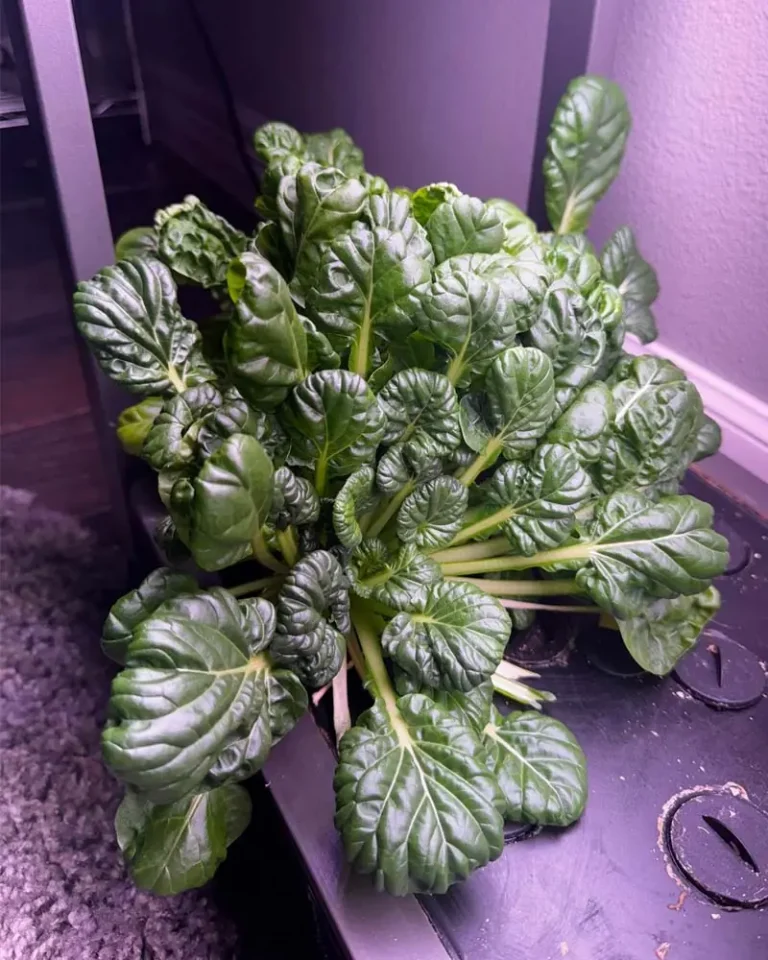
Bok Choy
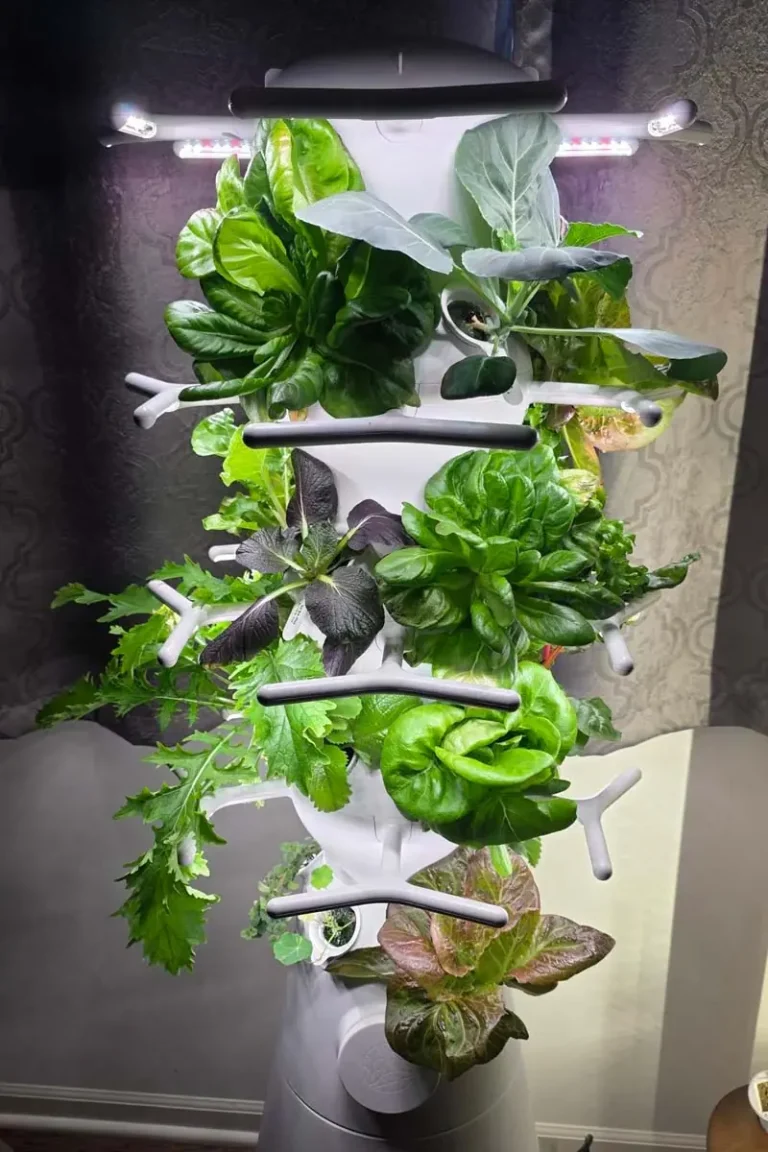
This is a fascinating plant for hydroponics. Its thick, sturdy leaves are heartier and more nutritious than standard lettuce.
- Pros: It germinates faster than lettuce and grows quite vigorously. Even older seeds tend to have a high germination rate. The Bounty provides ample space and light for 3–4 heads.
- Cons: It is extremely sensitive to water pH. Even a slight deviation can trigger an immediate iron deficiency. You must monitor your pH levels closely with this one.
Read also: Water Management In Small Indoor Hydroponics
Mint
Mint is a fantastic aromatic herb that adds an incredible scent and flavor to drinks and dishes. Growing it indoors saves you both time and money.
- Pros: It is very “set it and forget it.” Mint is not picky about pH levels, which is a huge plus since pH can be difficult to stabilize. It also doesn’t require much food—half the nutrient dose you’d give to tomatoes is usually plenty.
- Resilience: It is incredibly hardy and virtually disease-resistant. The Bounty provides more than enough energy for intensive growth.
Read also: Growing Quick Snack Cucumbers in My AeroGarden Bounty
Share This Post