
Growing vegetables is a passion of mine; it is both calming and deeply inspiring. At one point, I even turned this hobby into a business by selling my produce. In this guide, I’ll break down which crops offer the highest profit margins and how long it takes for your equipment to pay for itself.
⚡QUICK ANSWER: You’ll see the fastest return on investment (ROI) with butterhead lettuce and strawberries. The highest overall profit margins come from Genovese basil, cherry tomatoes, and strawberries.
| Crop | Growing Cycle | System Type | Investment (Setup) | Cost to Grow (per unit) | Market Price (per unit) | Payback Period (ROI) |
| Butterhead Lettuce | 30 Days | NFT Tower (30-pot) | $77.20 | $0.21 / head | $1.50 | 2 Months |
| Strawberries | 90 Days | NFT Tower (30-pot) | $77.20 | $0.79 / lb | $3.00 | 2 Months |
| Cherry Tomatoes | 90 Days | 5-gal DWC | $23.40 | $0.61 / lb | $4.00 | 3 Months |
| Parsley | 60 Days | NFT Tower (30-pot) | $77.20 | $0.33 / bunch | $1.50 | 4 Months |
| Genovese Basil | 45 Days | 1-gal DWC | $17.70 | $1.40 / plant | $4.50 | 7.5 Months |
Genovese Basil
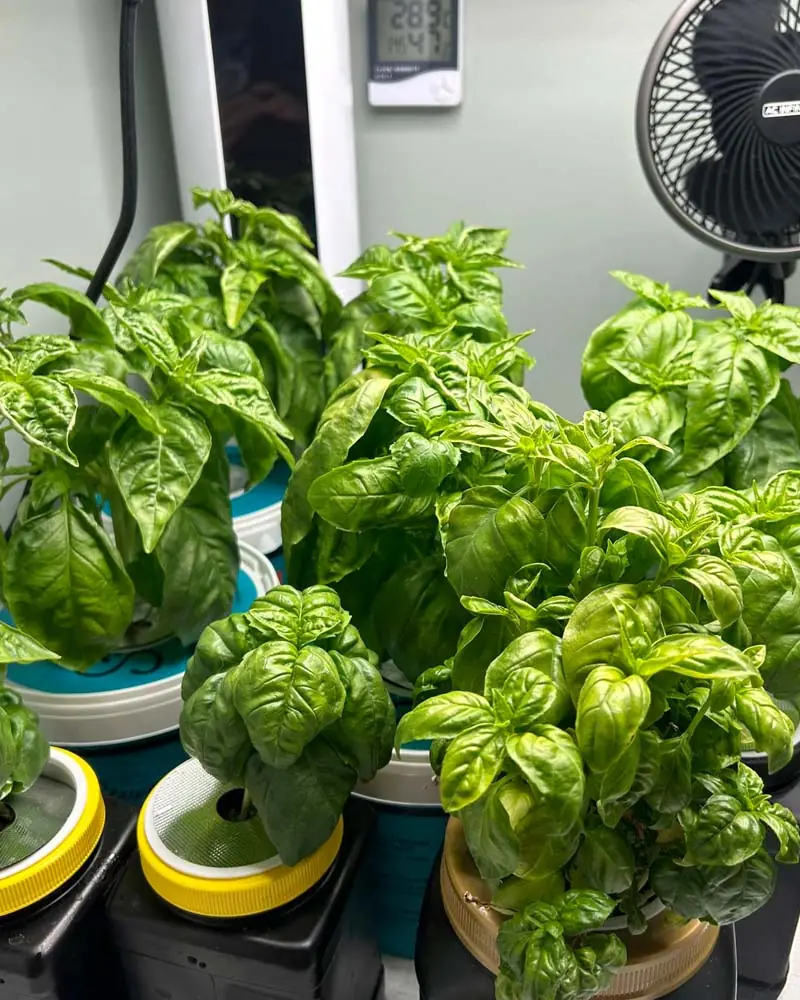
Basil is an incredibly popular culinary herb and is relatively easy to manage. It was one of the first crops that allowed me to generate a consistent income. A Deep Water Culture (DWC) system is best suited for basil’s aggressive growth.
Setup Investment (Single Plant):
- 1-Gallon White Plastic Bucket with Lid: $2.60
- Uniclife Aquarium Air Pump Kit: $15.00
- 2-inch Net Pot: $0.10
- Total Investment: $17.70
Operating Costs per Cycle (45 Days):
- Rockwool (1 piece): $0.05
- Nutrients (30 ml): $0.30
- Electricity (3.2 kWh): $0.55
- Water, seeds, etc.: $0.50
- Total Production Cost: $1.40
Profitability
With an average supermarket price of $4.50 for Genovese basil, your profit margin is $3.10 per plant. At this rate, your single-bucket DWC system pays for itself in approximately 7.5 to 8 months.
Read also: Hydroponic Mistakes That Cost Me My Harvest
Lettuce
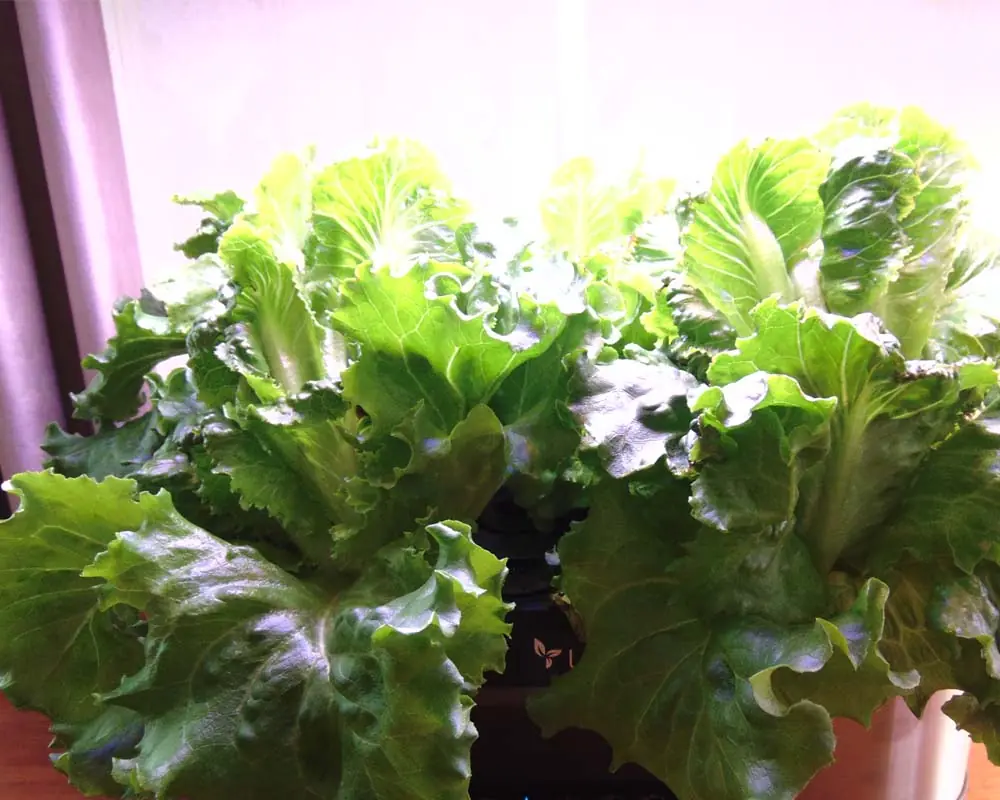
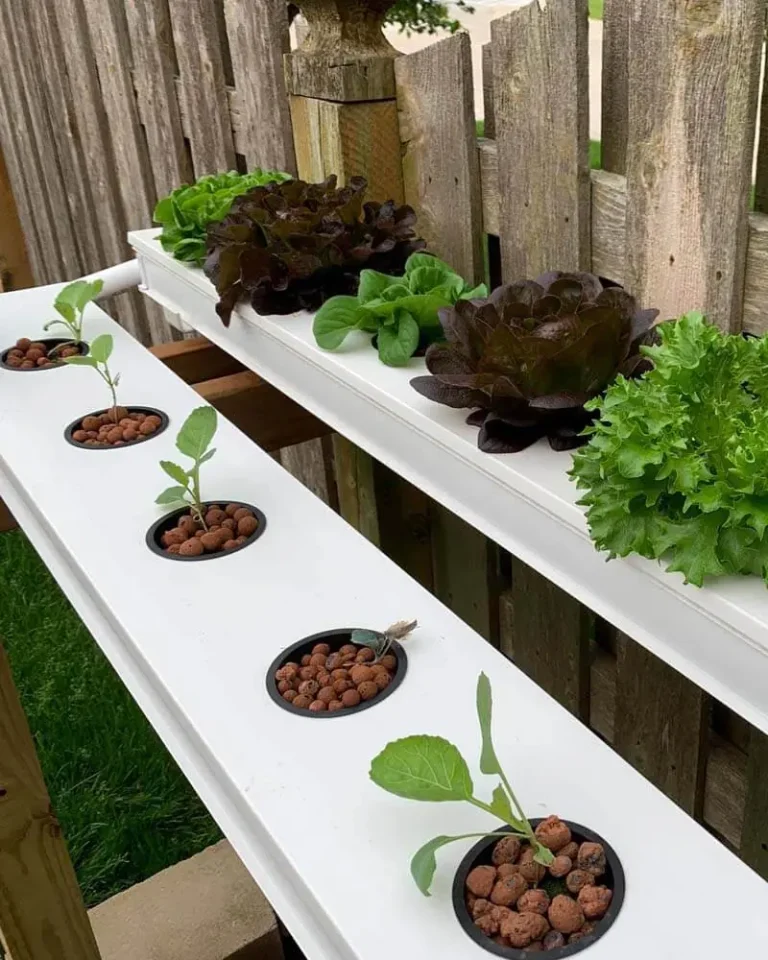
Lettuce is a staple crop for any commercial grower. Butterhead is particularly profitable because it is a premium variety that recoups investment costs incredibly fast.
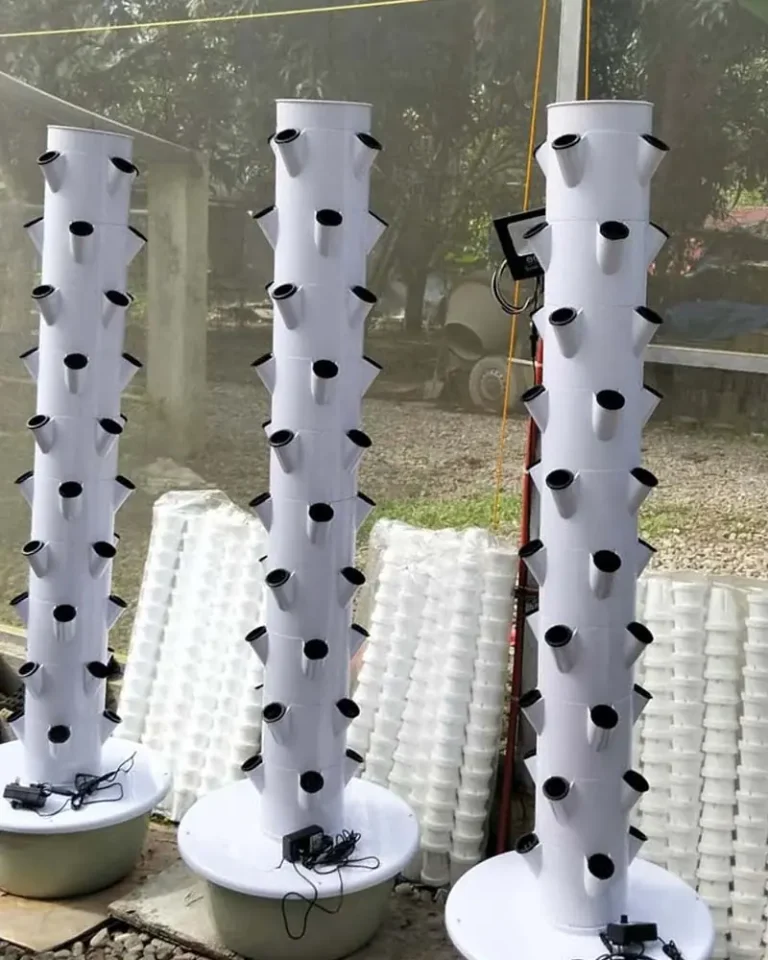
Setup Investment (30-Pot Tower):
- 12-Gallon Plastic Basin: $5.00
- 7-foot PVC Pipe (1.6-inch diameter): $20.00
- Water Pump: $25.00
- Pump Hose: $2.50
- Pipe Clamps: $9.00
- 2-inch Net Pots (30): $3.70
- Cyclic Timer: $10.00
- Bucket Lid: $2.00
- Total Investment: $77.20
Operating Costs per Cycle (30 Days):
- Rockwool (30 pieces): $1.50
- Nutrients (240 ml): $2.40
- Electricity (6.75 kWh): $1.15
- Water, seeds, etc.: $1.50
- Total Production Cost: $6.55
Profitability
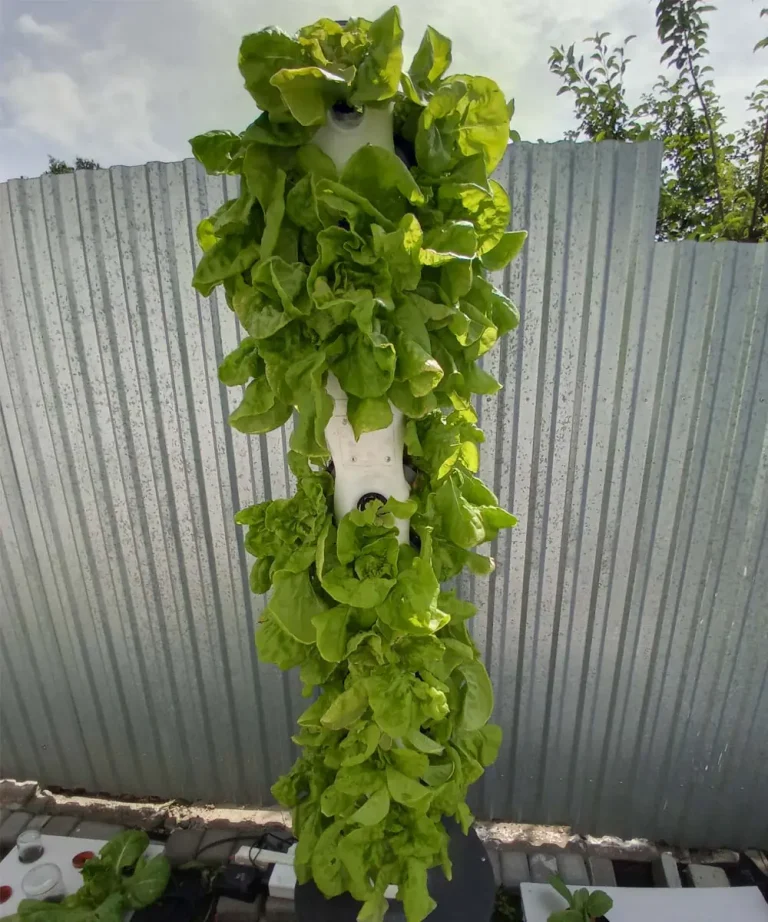
Growing 30 heads for $6.55 brings your cost per head to just $0.21. With supermarket prices averaging $1.50 per head, you earn $1.29 in profit per plant. A full harvest nets $38.70, meaning the tower pays for itself in just two growing cycles (2 months).
Read also: Why the NFT Tower is the Most Efficient Hydroponic Method for Lettuce
Parsley
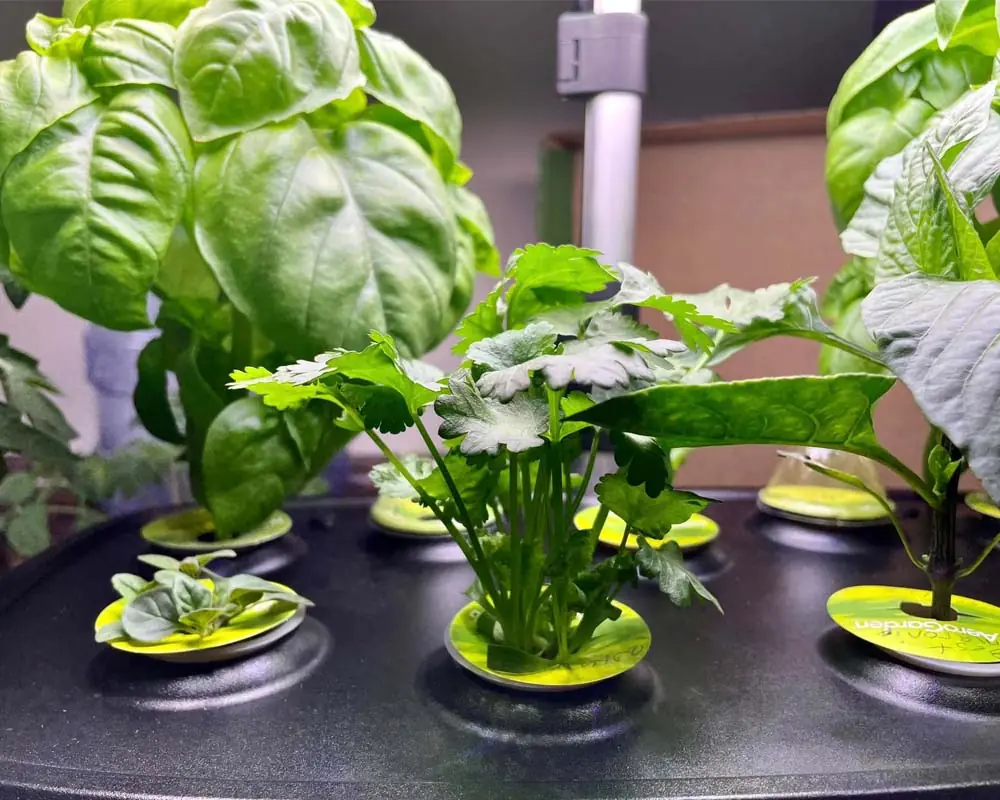
Parsley is a ubiquitous herb, but in urban centers, customers are willing to pay a premium for “living” or ultra-fresh bunches. While the seeds take longer to germinate, it is a very low-maintenance crop once established.
Setup Investment (30-Pot Tower):
- 12-gallon plastic basin: $5
- 7-foot PVC pipe (1.6-inch diameter): $20
- Water pump: $25
- Pump hose: $2.50
- Pipe clamps: $9
- 2-inch net pots (30): $3.70
- Cyclic timer: $10
- Bucket lid: $2
- Total Cost: $77.20
Operating Costs per Cycle (60 Days):
- Rockwool (30 pieces): $1.50
- Nutrients (480 ml): $4.80
- Electricity (13.50 kWh): $2.30
- Water, seeds, etc.: $1.50
- Total Production Cost: $10.10
Profitability
Your cost per bunch is $0.33. Selling at $1.50 per bunch nets a profit of $1.17 per plant, or $35.10 per cycle. The payback period for the tower is just over 4 months.
Read also: Building Your Own DIY NFT Hydroponic Tower
Strawberries
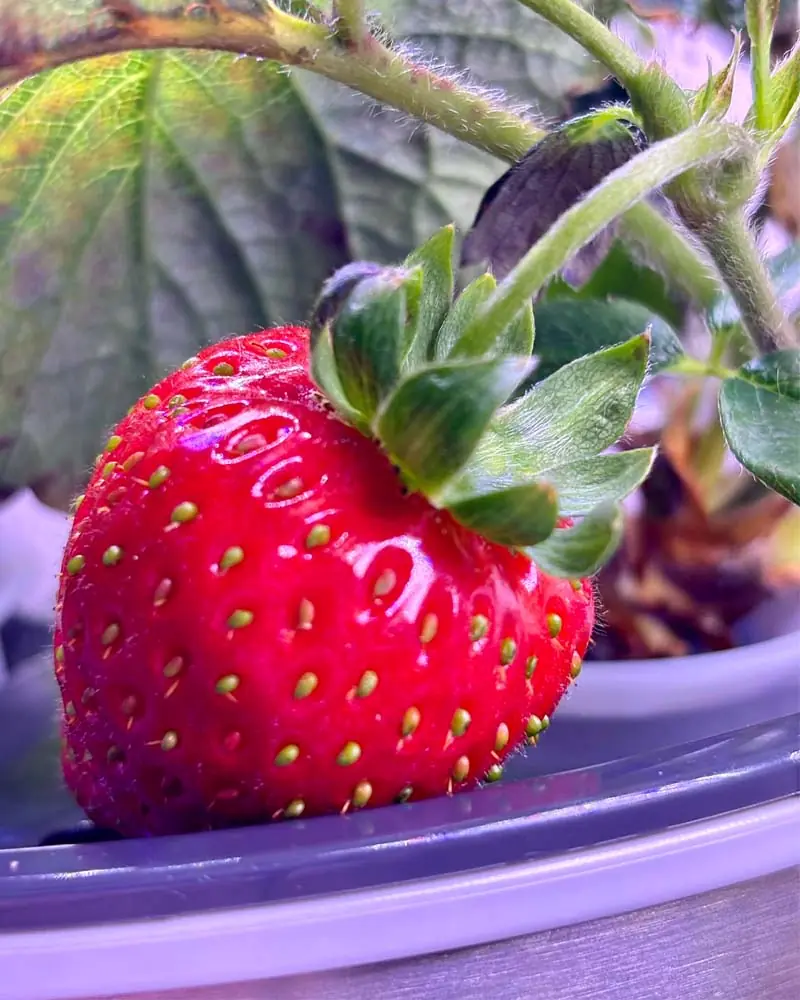
Strawberries are high-value but come with a steeper learning curve. To avoid root rot and manage the nutrient solution effectively, an NFT (Nutrient Film Technique) tower is the professional choice. It is highly recommended to start with bare-root plants rather than seeds to save months of growth time.
Setup Investment (30-Pot Tower):
- 12-gallon plastic basin: $5
- 7-foot PVC pipe (1.6-inch diameter): $20
- Water pump: $25
- Pump hose: $2.50
- Pipe clamps: $9
- 2-inch net pots (30): $3.70
- Cyclic timer: $10
- Bucket lid: $2
- Total Cost: $77.20
Operating Costs per Cycle (90 Days):
- Rockwool (30 pieces) – $1.50
- Nutrients (600 ml) – $6.00
- Electricity (20.25 kWh) – $3.40
- Water, bare root strawberry plants (30 pieces) – $31.00
- Total Production Cost: $41.90
Profitability
Over a 3-month cycle, I harvested 52.5 lbs of strawberries. My cost was $0.79/lb, compared to a market price of $3.00/lb. This resulted in a profit of $2.21/lb, or $116.00 total. The system paid for itself in a single 2-month fruiting window.
Read also: Finding the Best Hydroponic Grow Media for Your System
Cherry Tomatoes
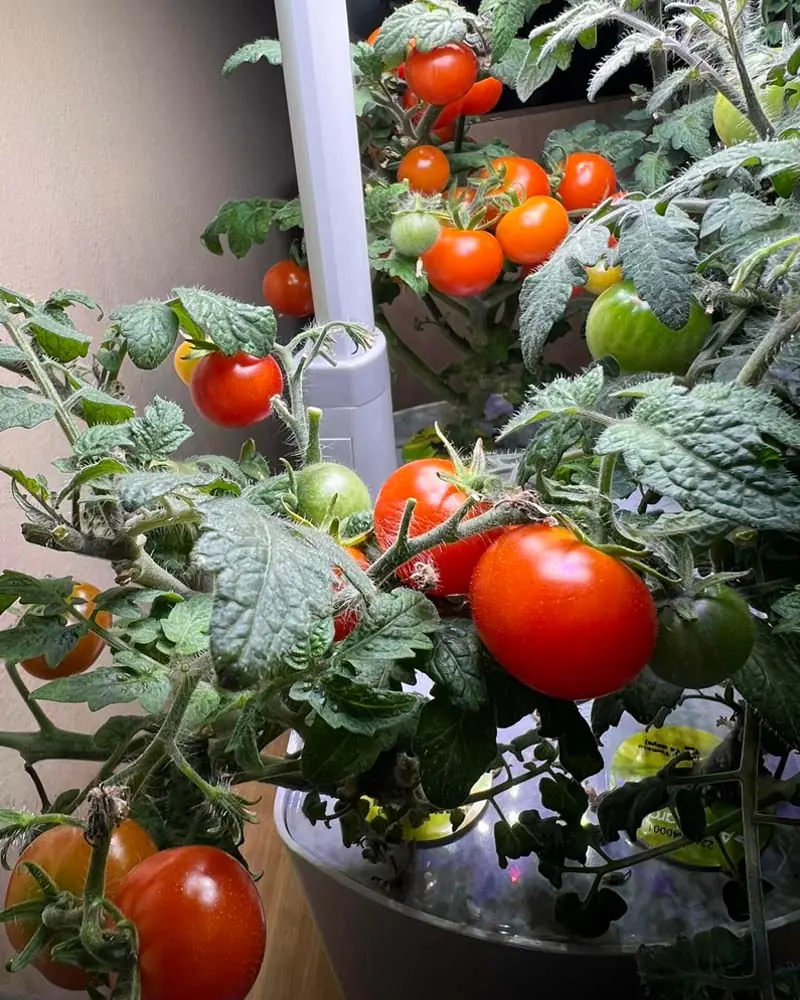
Cherry tomatoes offer massive margins because of their high yield and constant demand. They are “heavy feeders,” so I prefer a larger 5-gallon DWC system for stability.
Setup Investment (Single 5-Gallon Plant):
- 5-Gallon Bucket with Lid: $8.30
- Air Pump Kit: $15.00
- 2-inch Net Pot: $0.10
- Total Investment: $23.40
Operating Costs per Cycle (90 Days):
- Rockwool (1 piece) – $0.05
- Nutrients (250 ml) – $2.50
- Electricity (6.3 kWh) – $1.00
- Water, seeds, etc. – $0.50
- Total price – $4.05
Profitability
A single plant can yield 6.6 lbs of tomatoes. At a market price of $4.00/lb, your cost is only $0.61/lb. This nets a profit of $3.39/lb, or $22.37 per plant. In just one 90-day cycle, the plant has almost entirely paid for its own DWC hardware.
Read also: The Best Hydroponic Method for Tomatoes
I hope this data helps you plan your next indoor farm! Let me know in the comments if you have questions about specific nutrient mixes or lighting schedules—I’m happy to help.
Share This Post