
In all the time I’ve been growing plants hydroponically, I’ve experimented with a wide variety of media. Below, I’ll share the results of my tests on the most popular substrates to help you decide which is right for your setup.
⚡QUICK ANSWER: For most growers, the best all-around media is Rockwool. It is inexpensive (if bought in bulk), retains water exceptionally well, and is compatible with almost every type of hydroponic system.
| Medium | Water Retention | Aeration | Reusable? | Cost (Self-Cut/Bulk) | Best System(s) |
| Rockwool | Very High | Excellent | No | Lowest (~1–2¢) | DWC, Kratky, NFT, Ebb-and-Flow |
| Clay Pebbles | Low | Excellent | Yes | Moderate | Kratky, DWC |
| Coco Coir | High | Good | Limited | Low | Wick, DWC |
| Perlite | Moderate | High | No | Low | Wick, Kratky, DWC |
| Sponges | High | Good | No | High | Desktop/Small |
Rockwool
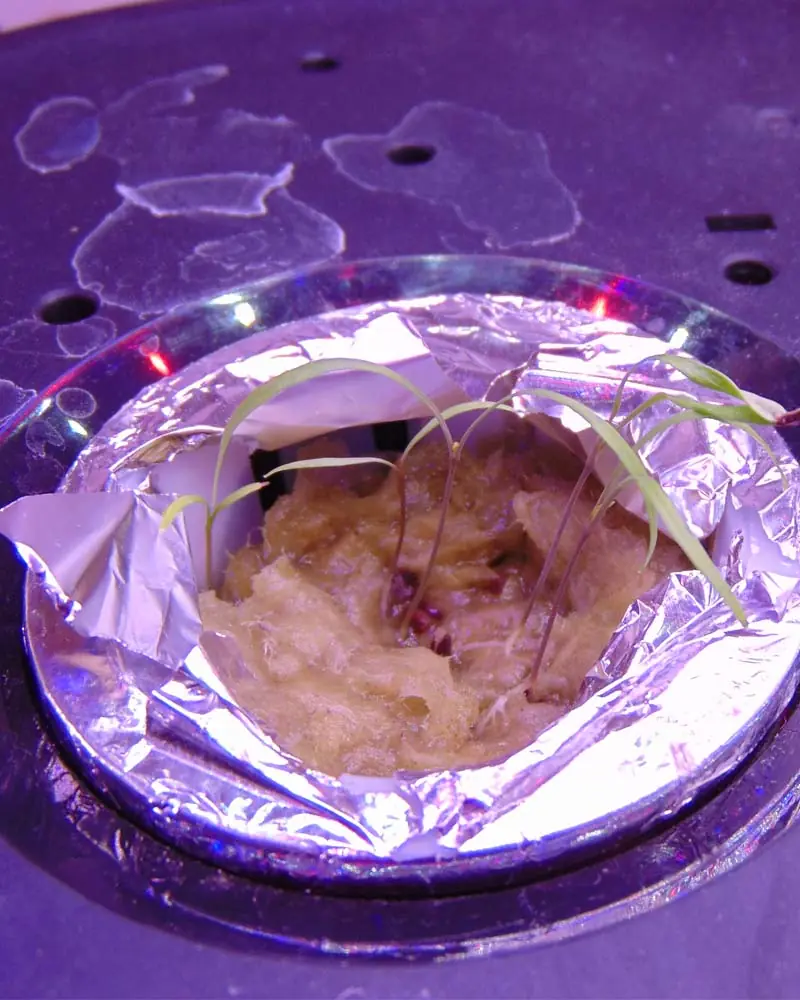
Of all the media I’ve tested, rockwool has proven to be the most versatile. It retains water brilliantly, which is critical if your pumps ever fail.
Structural Integrity: It holds its shape and doesn’t crumble, making it perfect for NFT (Nutrient Film Technique) and Ebb-and-Flow systems. In horizontal NFT setups, I even use it without mesh pots—no other substrate can do that.
Aeration: Despite its water retention, it has excellent air permeability, so root rot is rarely an issue.
Cost Efficiency: Because it’s used in construction, the raw material is cheap. If you buy it in large blocks and cut it yourself, a 1.5-inch cube costs as little as 1–2 cents.
⚠️ Important Note: Do not use construction-grade rockwool. It is treated with water-repellent chemicals. Always ensure you are buying hydroponic-grade mineral wool.
The Downside: It is a single-use material and cannot be effectively reused.
Best For: DWC, Kratky, NFT, Ebb-and-Flow
Read also: Best Way to Cool Hydroponic Water
Clay Pebbles (LECA)
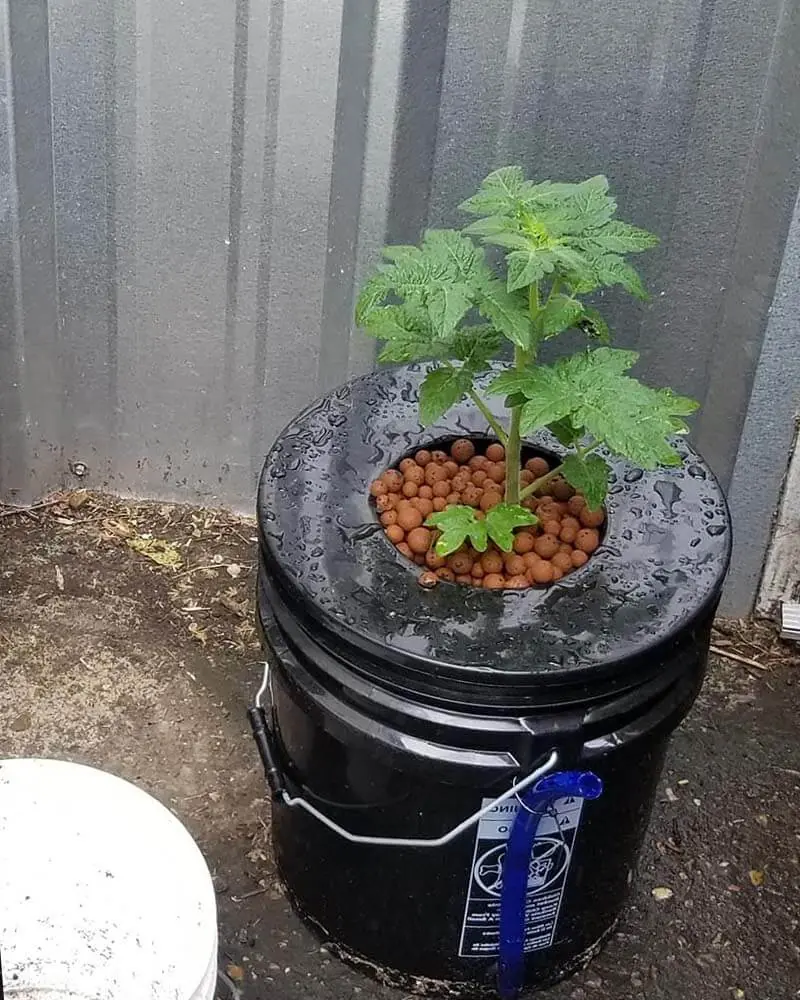
Clay pebbles are a fantastic medium, though they have specific limitations. I use them frequently, particularly in Kratky systems.
Advantages:
The Reusability Factor: This is the biggest advantage. Unlike rockwool, you can disinfect clay pebbles and reuse them indefinitely. This significantly lowers your long-term costs—a major plus for indoor growers using expensive artificial lighting.
Root Health: The gaps between the pebbles provide massive amounts of oxygen to the roots, virtually eliminating the risk of rot.
The Drawbacks:
Poor Water Retention: If your pump stops, the pebbles dry out in minutes.
Not for Seeds: You cannot sow seeds directly into clay pebbles; they will fall through the gaps and drown in the reservoir. You must transplant pre-germinated seedlings into this medium.
Best For: DWC (Deep Water Culture) and Kratky systems.
Read also: Building Your Own DIY NFT Hydroponic Tower
Coco Coir
Coconut coir is an organic medium that bridges the gap between soil and hydroponics, but it does have “quirks.”
Physical Properties: It retains moisture and air well, and it contains beneficial fungi (trichoderma) that protect roots.
The Limitations: It is made of small particles that can wash out of net pots and clog pumps, so I avoid using it in NFT systems. It also floats, making it a poor choice for Ebb-and-Flow.
The “Cal-Mag” Issue: Coco is notorious for “stealing” Calcium and Magnesium. You’ll need to use a buffer or increase your Cal-Mag supplements.
Best For: Wick systems, Kratky, or DWC (with fine-mesh pots).
Read also: The Hydroponic ROI: DIY vs. Store-Bought
Perlite
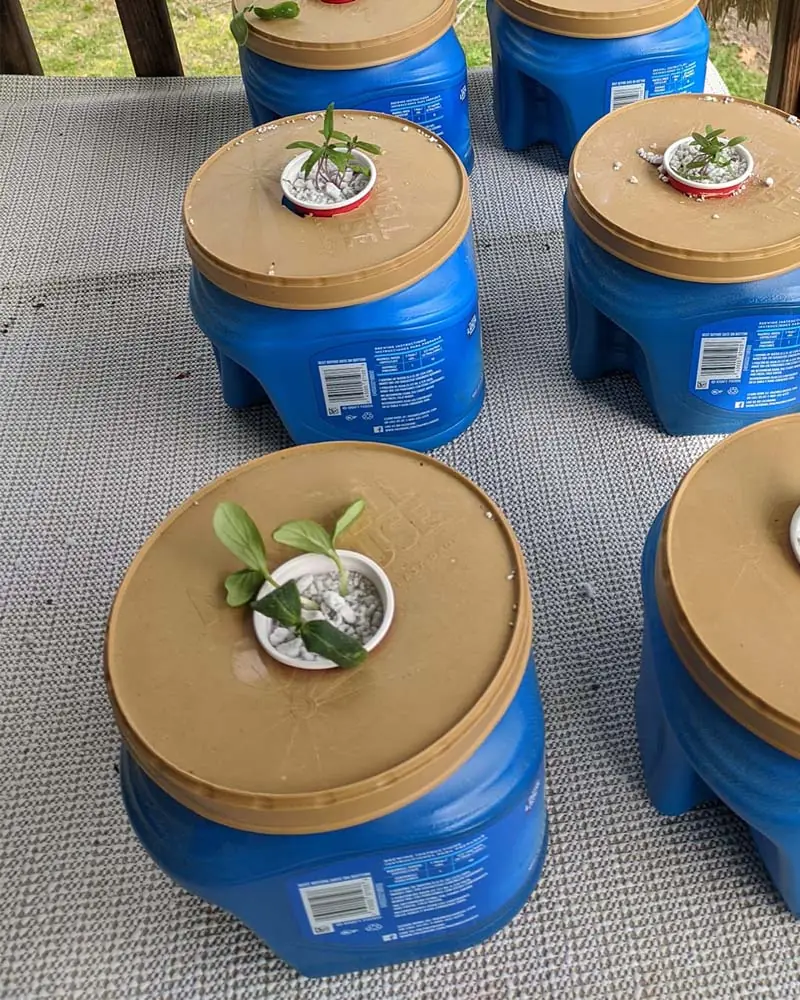
Perlite is a volcanic glass that I use sparingly but find very effective for specific tasks.
Wicking Action: It is incredible at drawing moisture upward, which makes it the gold standard for wick-based systems.
Weight Issues: It is extremely light and floats easily. Because of this, it is completely unsuitable for Ebb-and-Flow systems.
Pro Tip: If using perlite in NFT or DWC, choose only the “coarse fraction” (large chunks). The fine, dusty stuff will wash out of your pots and create a mess in your reservoir.
Best For: DWC (Deep Water Culture) and Kratky systems.
Read also: The Definitive Guide to pH Management in Hydroponics
Growing Sponges
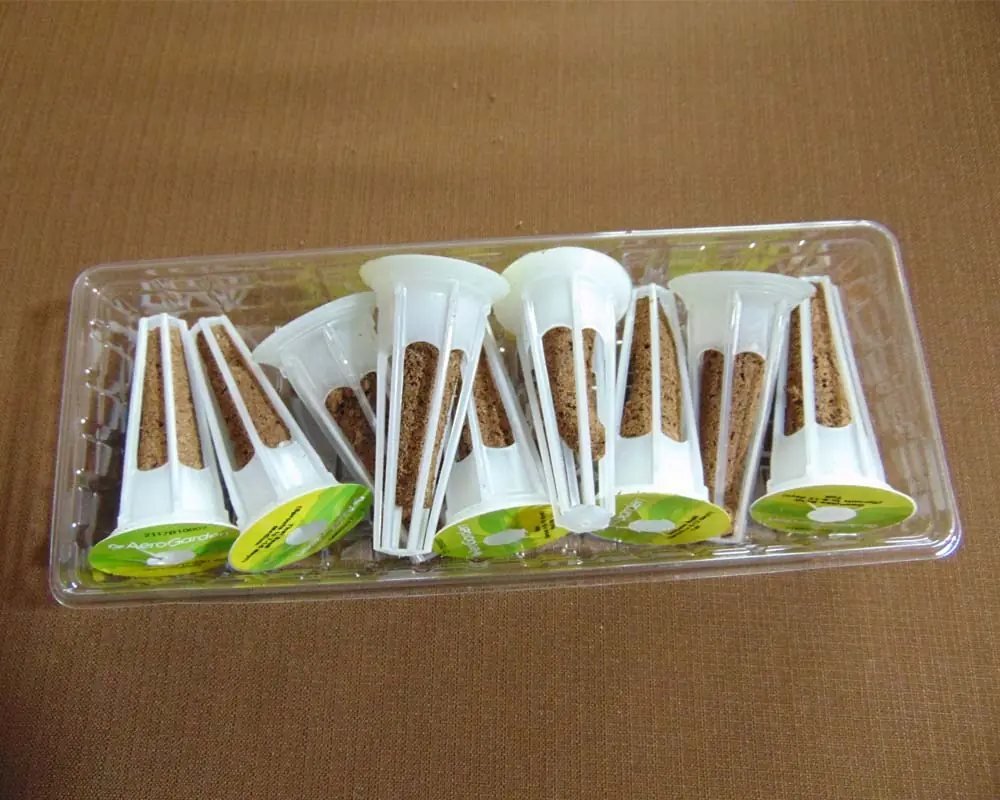
Typically found in compact tabletop systems (like AeroGarden), these sponges are made of peat moss or polymer-bound media.
Pros: They are incredibly convenient, hold their shape, and offer a perfect air-to-water ratio.
Cons: They are usually proprietary and expensive. Most are designed for small, compact systems and are too small for standard 2-inch net pots.
Best For: Aerogarden, iDOO, LetPot, etc.
Read also: The Ultimate Guide to Growing Lush Dill in Your LetPot Max
Mixes
I’ve found that combining two substrates often gives you the “best of both worlds.”
Rockwool + Clay Pebbels
Since you can’t grow from seed in pebbles, I start seeds in a tiny rockwool cube. Once sprouted, I place that cube into a pot filled with clay pebbles. This keeps the seedling moist while allowing the larger root system to enjoy the massive aeration of the LECA.
Coco + Perlite
I often mix these in a 50/50 ratio. The coco provides the nutrient-holding capacity, while the perlite adds drainage and prevents the mix from becoming too heavy or waterlogged. This is my go-to for Kratky and DWC systems.
Which system are you currently building, and which of these media are you leaning toward?
Share This Post