
Today, I am compiling my hands-on experience with hydroponics to determine which system offers the best balance of performance and practicality. I will rank six common methods based on cost, yield, maintenance, and ongoing operational expenses.
⚡QUICK ANSWER: The most effective system is NFT (Nutrient Film Technique). Thanks to its high yields, vertical scalability, and moderate operating costs, it remains the top choice for serious growers.
| System | Setup Cost (Est.) | Yield Potential | Maintenance | Monthly Power Cost | Final Verdict |
| NFT (Towers/Pipes) | $70 (DIY) – High | Very High (Vertical) | Moderate | ~$5.00 | 9 / 10 |
| DWC (Buckets) | $30 – $50 | High | Moderate | $1.00 – $2.00 | 8 / 10 |
| Kratky Method | ~$10 | Low | Minimal | $0.00 | 7 / 10 |
| Aeroponics | $200 – $1,000+ | Highest | Very High | High (Variable) | 6 / 10 |
| Ebb and Flow | $150+ | Moderate/High | Low | ~$5.00 | 5 / 10 |
| Wick System | $40 – $50 | Low | Minimal | $0.00 | 5 / 10 |
Deep Water Culture (DWC)
Cost
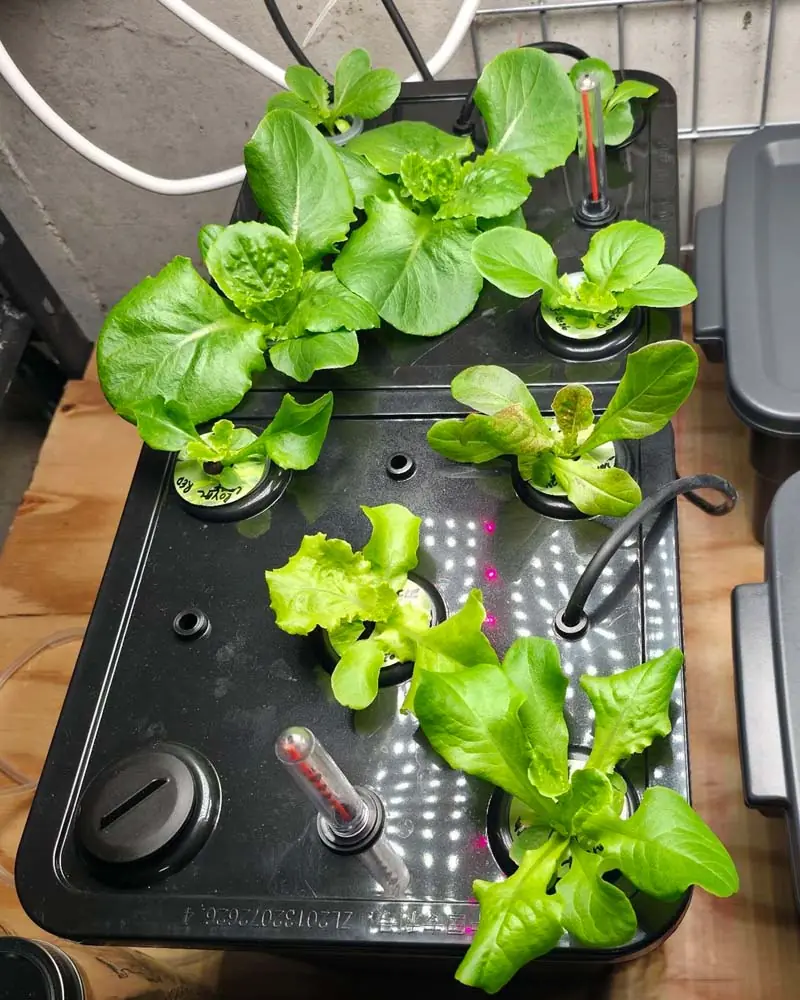
The setup cost for DWC is relatively low, though not the cheapest on this list. To build one, you need a reservoir (bucket or plastic bin) with a lid, an aquarium air pump, air stones, and tubing. A DIY setup can be assembled for $30–$50, whereas ready-made commercial kits are significantly more expensive.
Yield
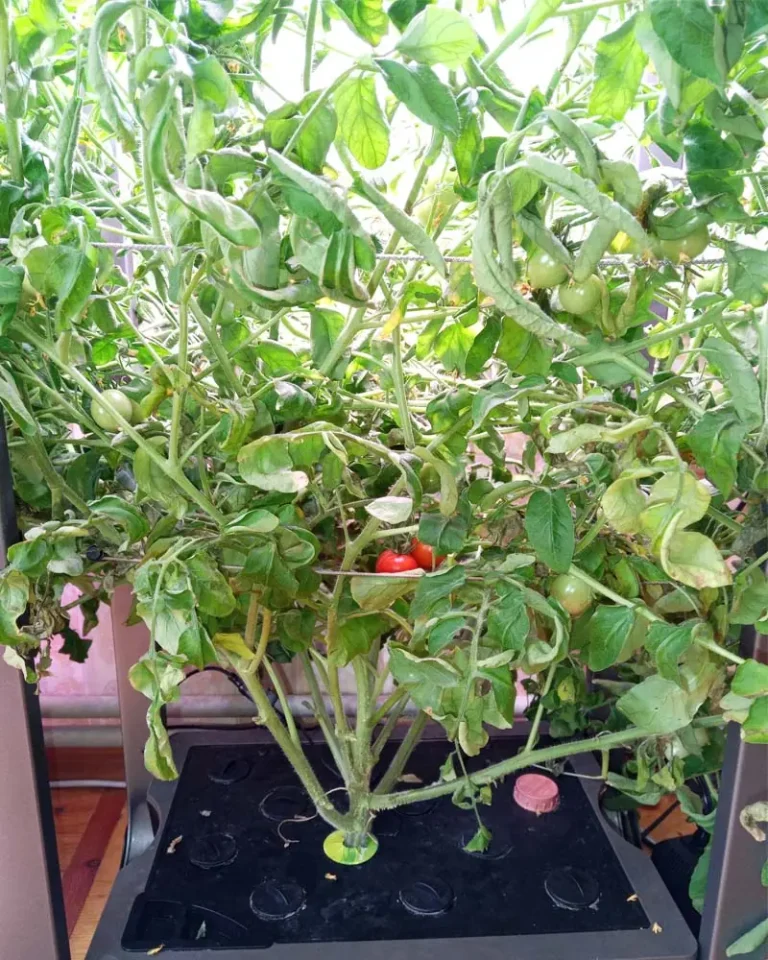
Thanks to constant water aeration, yields are impressive. Plants develop healthy, robust root systems and grow rapidly. However, other methods can produce even higher volumes. One downside is that DWC typically utilizes only a horizontal surface, limiting the yield per square foot unless you invest in expensive multi-tiered configurations.
Maintenance & Operating Costs
Maintenance is straightforward and requires no specialized skills. Water changes and nutrient dosing are simple. Monthly operating costs are minimal, with a standard aquarium pump consuming only $1–$2 in electricity.
Verdict: 8/10
Read aslo: Water Management In Small Indoor Hydroponics
Ebb and Flow (Flood and Drain)
Cost
This system requires a higher level of technical proficiency and a larger initial investment. You need a large tray, a reservoir, a powerful submersible pump, and a reliable timer. Expect to spend upwards of $150 for a quality setup. Ready-made solutions are scarce and often overpriced.
Yield
The periodic “breathing” of the roots promotes fast growth and minimizes root diseases since the plants aren’t constantly submerged. However, Ebb and Flow systems are usually single-tiered, meaning a lot of vertical space is wasted compared to vertical NFT towers.
Maintenance & Operating Costs
While the system is reliable, it requires frequent “topping off” because the large surface area of the tray leads to high evaporation. Operating costs are higher due to the need for large pots and significant amounts of growing media. Fertilizer consumption is also higher because of the large reservoir volume. Electricity for the pump typically runs around $5/month.
Verdict: 5/10
Read aslo: The Most Forgiving Hydroponic Crops for Beginners
Nutrient Film Technique (NFT)
Cost
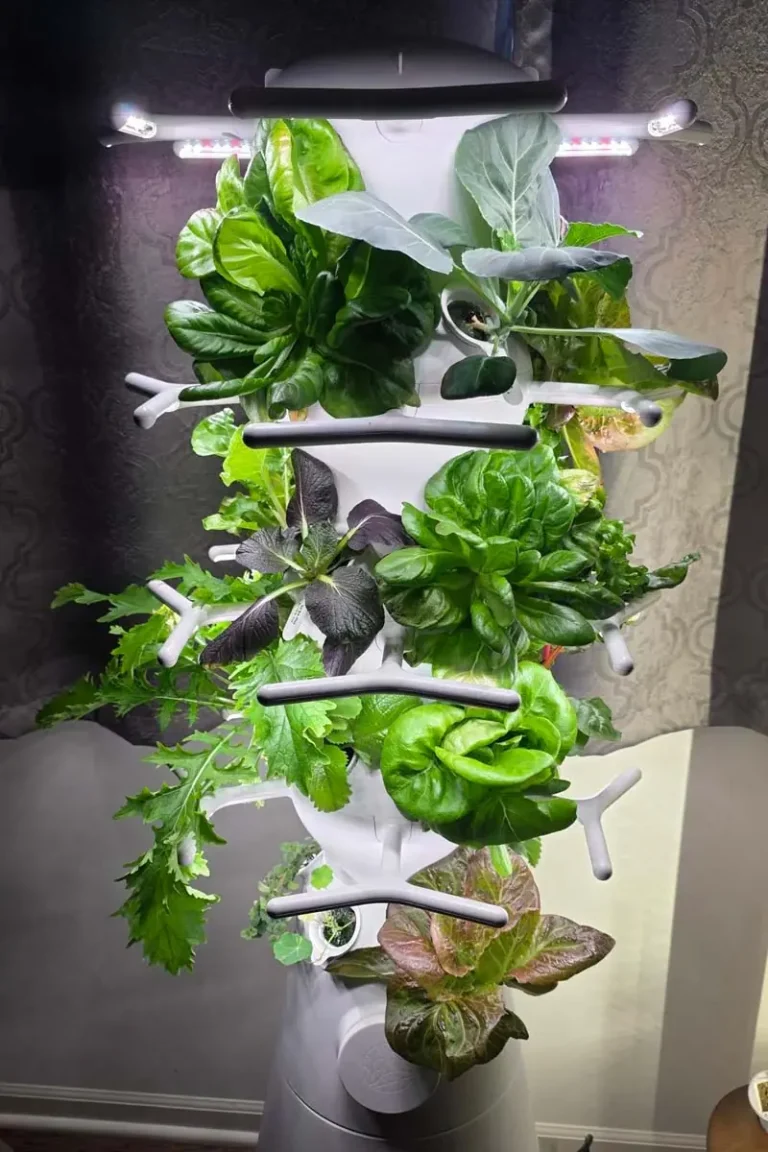
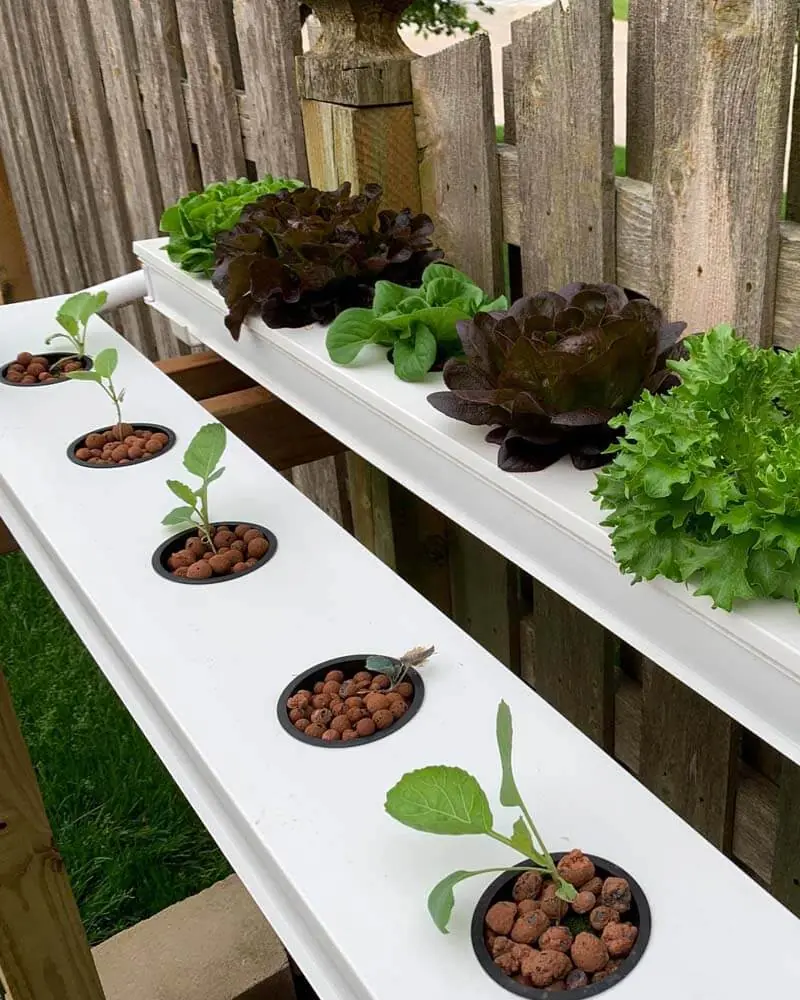
NFT is a sophisticated system that requires a dedicated reservoir and a consistent water pump. It typically exists in two forms: horizontal multi-tiered pipes or vertical towers. While DIY costs can be kept under $100 (my first tower cost less than $70), commercial units are often prohibitively expensive.
Yield
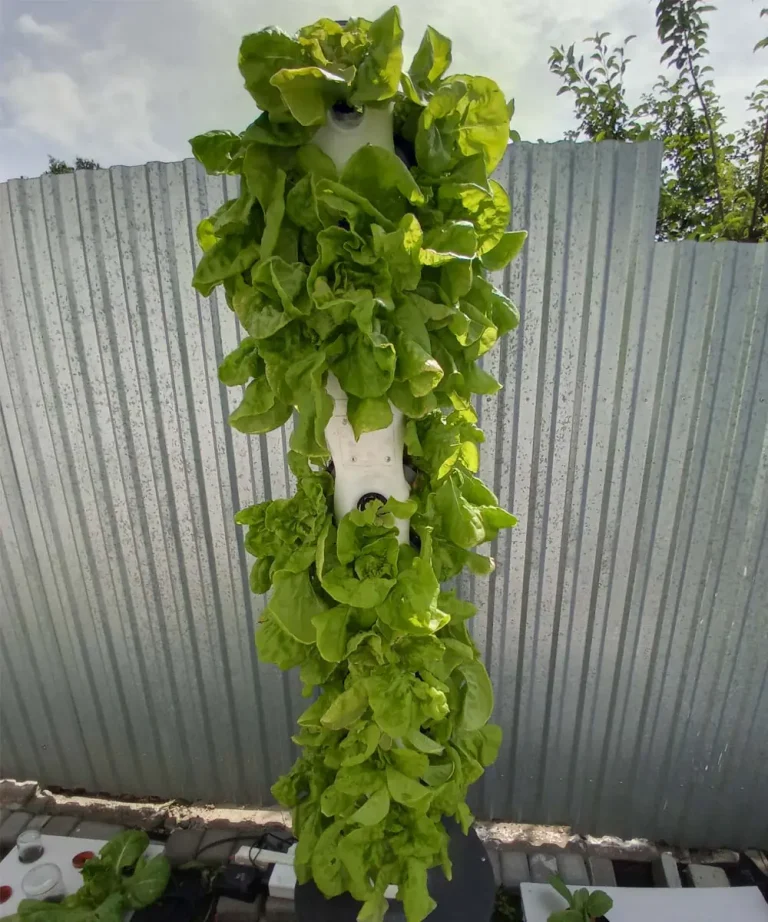
The yield potential is exceptional. Roots are bathed in a thin film of nutrient solution while maintaining constant access to oxygen. Because NFT systems—especially towers—utilize vertical space, you can achieve triple the yield per square foot compared to horizontal methods like Kratky or DWC.
Maintenance & Operating Costs
Maintenance is relatively simple: monitor the reservoir and add nutrients. The pump rarely clogs if filtered properly. For a 7-foot vertical tower, expect electricity costs to hover around $5/month.
Verdict: 9/10
Read aslo: Why the NFT Tower is the Most Efficient Hydroponic Method for Lettuce
Wick Systems
Cost
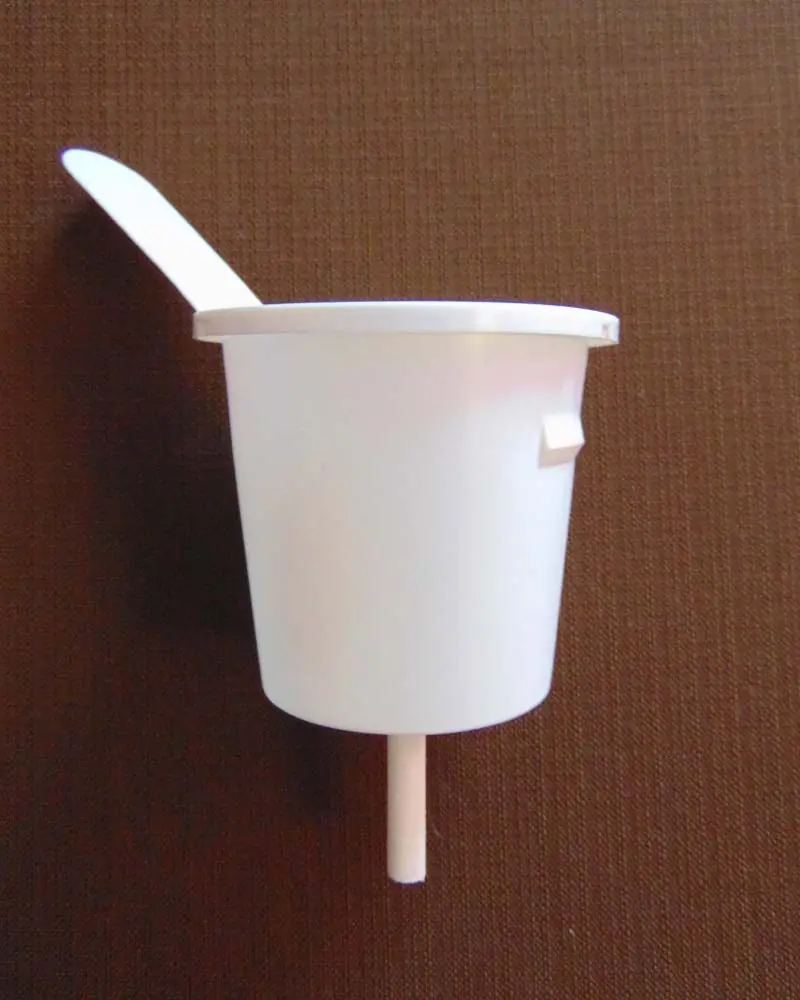
The most basic “passive” system. It relies on a capillary wick to pull nutrients into a soil-based substrate. Building one costs roughly $40–$50 for a decent-sized reservoir and pot setup.
Yield
Since plants grow in a substrate rather than directly in aerated water, the “hydroponic advantage” is largely lost. Growth rates are comparable to traditional soil gardening, and the root system is restricted by the pot size. Yield per square foot is low.
Maintenance & Operating Costs
This is the ultimate low-maintenance setup. With no pumps or moving parts, there is almost nothing to break. Operating costs are virtually zero, aside from water and fertilizer.
Verdict: 5/10
Read aslo: Why Your Desktop Hydroponic Lettuce is Stalling
Aeroponics
Cost
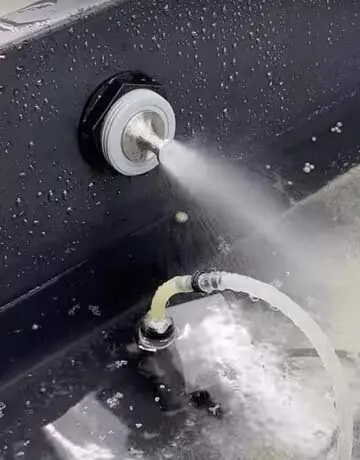
Aeroponics uses high-pressure nozzles to mist roots with a nutrient solution. This requires specialized seals, high-pressure pumps, and precision nozzles. A DIY build will cost several hundred dollars, while commercial aeroponic towers can easily exceed $1,000.
Yield
Aeroponics is the undisputed performance king. By mixing fine nutrient particles with air, it provides maximum oxygenation, leading to the fastest growth rates in the industry.
Maintenance & Operating Costs
This is a high-maintenance system. Nozzles frequently clog with mineral deposits, and the high-pressure components are difficult to service. Furthermore, powerful pumps can heat the nutrient solution, requiring additional (and expensive) cooling solutions. Monthly electricity can be significant.
Verdict: 6/10
Read aslo: Building a Resilient Indoor Hydroponic Garden with LiFePO4 Backup
The Kratky Method
Cost
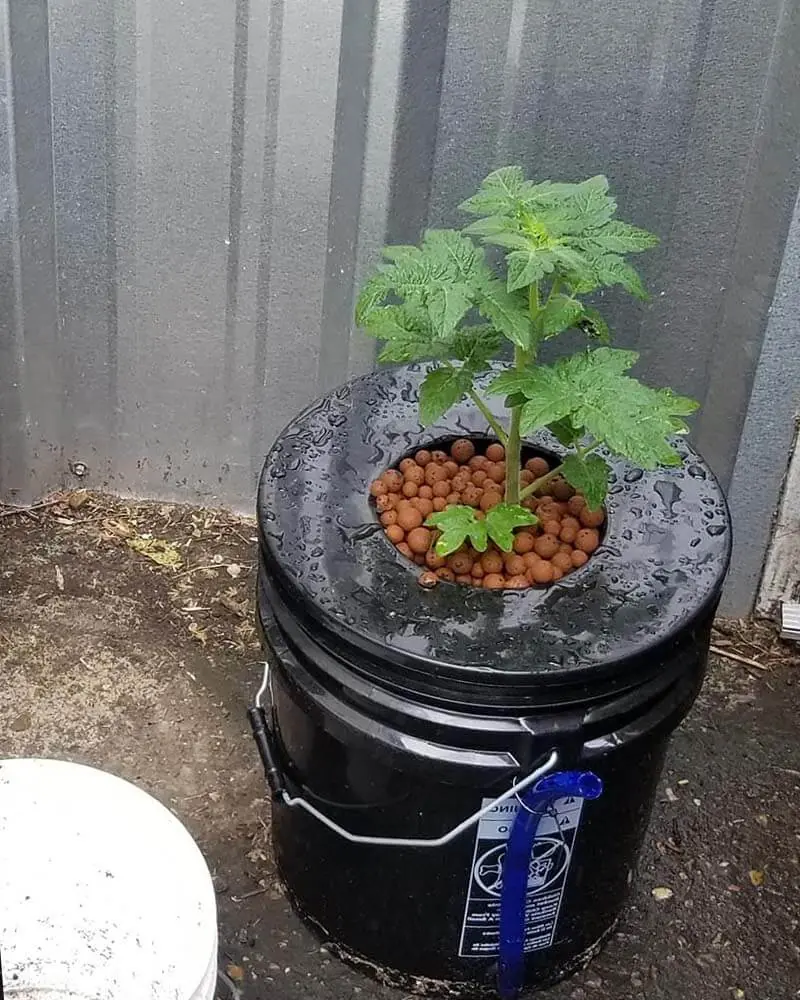
Kratky is the most accessible entry point into hydroponics. All you need is a bucket, a lid, and a net pot. There are no pumps or electricity required. A single setup costs approximately $10.
Yield
Yields are the lowest on this list. Without active aeration, roots often struggle to get enough oxygen, and the risk of root rot is high. It is best suited for small herbs rather than high-production vegetables.
Maintenance & Operating Costs
It is a “set-and-forget” system. You fill it once and wait for the harvest. There is zero electricity cost, making it the most affordable method to operate.
Verdict: 7/10
Read aslo: 6 Steps to Stop Root Rot in AeroGarden & iDOO
Share This Post