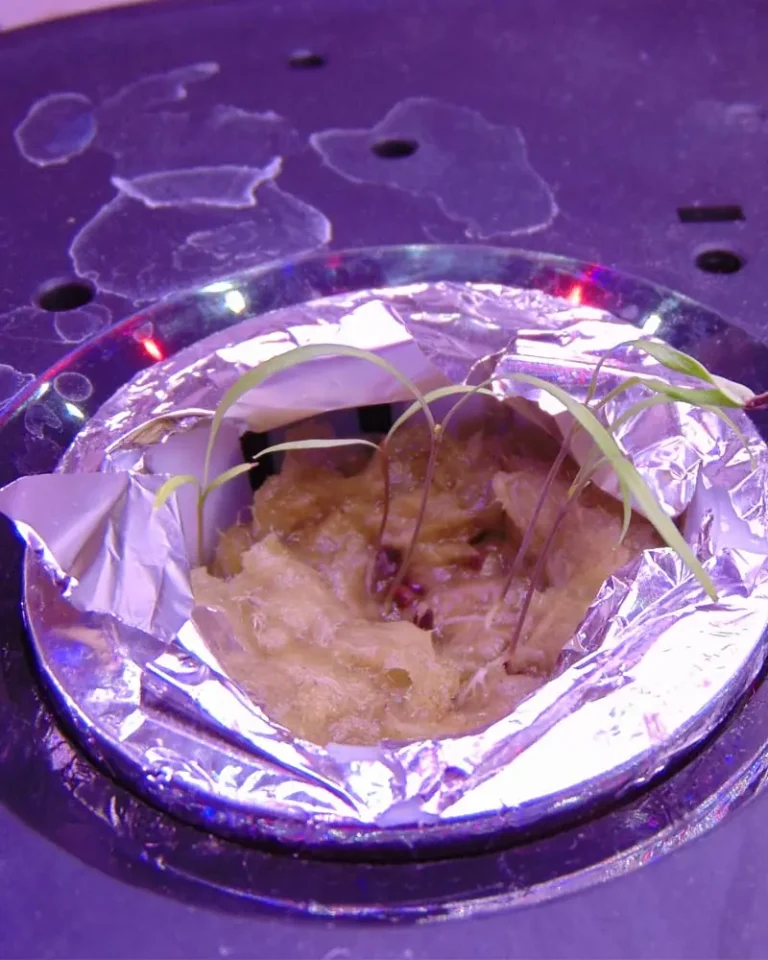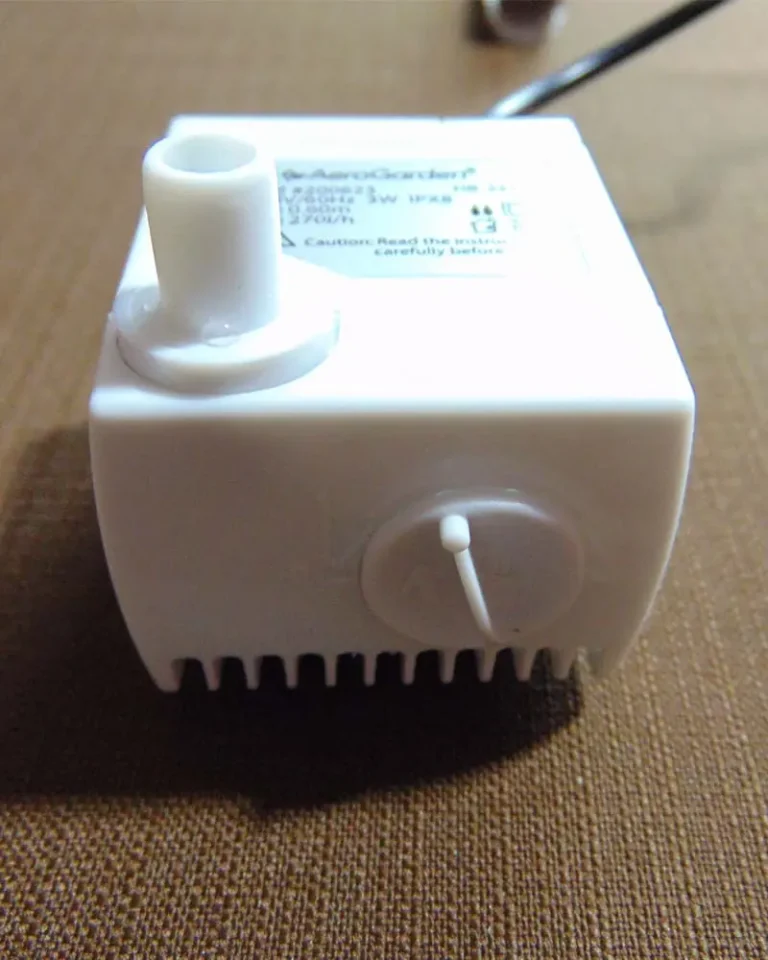

A power outage can damage a hydroponic garden surprisingly quickly. Without aeration, water circulation, or supplemental lighting, many plants begin to experience stress within just a few hours. After losing crop growth during several blackouts, I built a DIY LiFePO4 battery backup that keeps my indoor hydroponic systems running for up to 12 hours. Here is exactly how it works and how you can do the same.
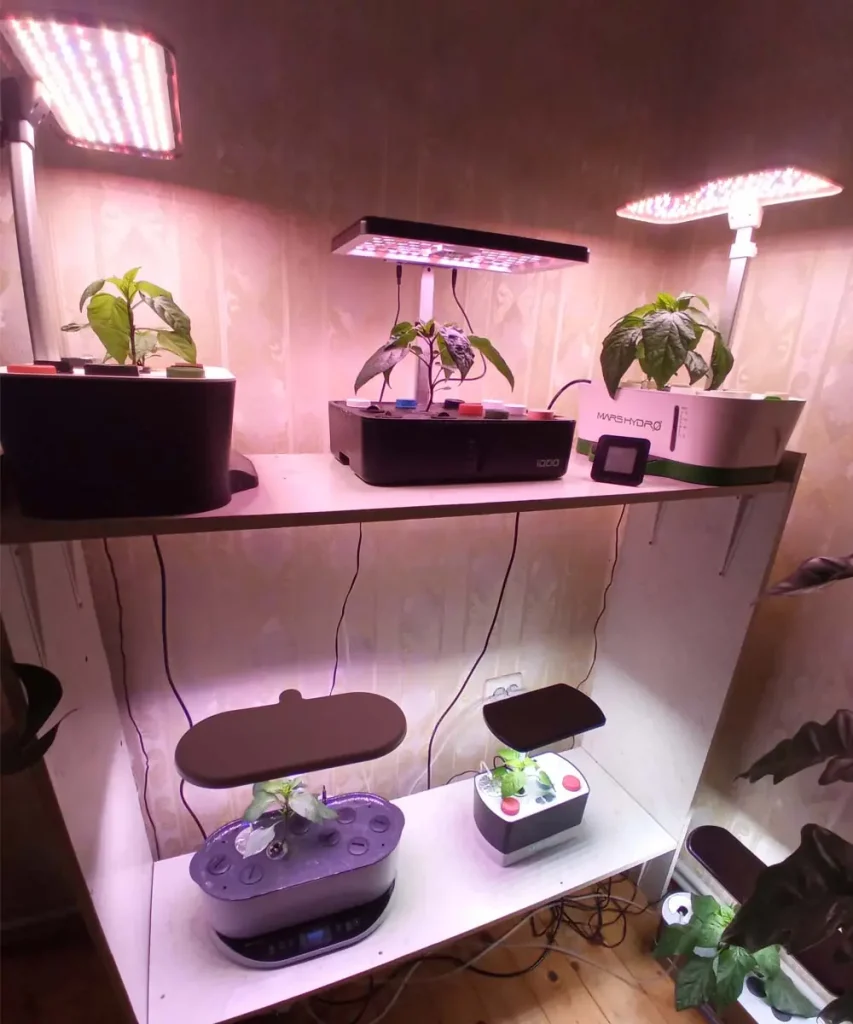
How long can hydroponic plants survive without power?
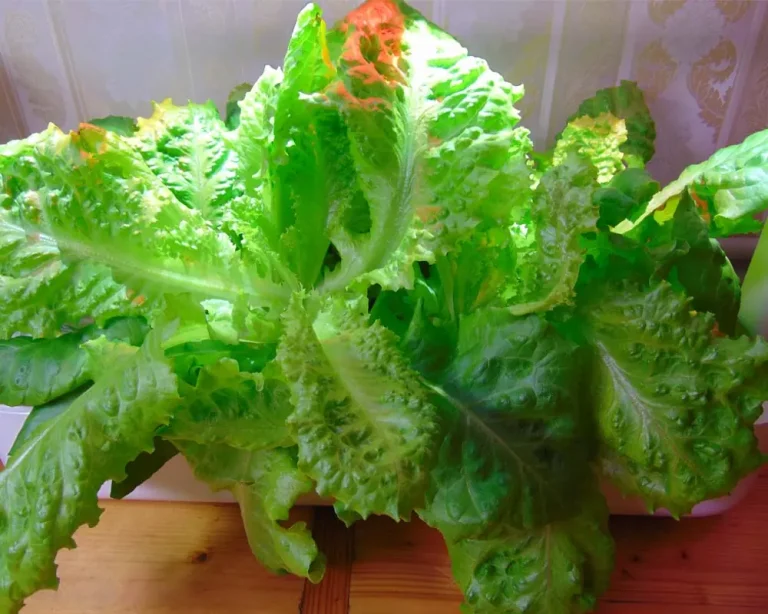
In my outdoor Nutrient Film Technique (NFT) system, the lettuce survived for only about 40 minutes without electricity before wilting and dying during a prolonged blackout. Without power, the roots weren’t getting any water, leaving the plants unable to replenish the moisture lost through transpiration.
On the other hand, my Kratky tomatoes thrived for days without electricity because the system doesn’t rely on power as long as the plants have adequate sunlight and nutrient solution. The same held true for the cucumbers I grew in a Deep Water Culture (DWC) system, though root rot can easily set in within a few days without active air pumps.
Indoor setups are a different story because they rely heavily on LED lighting. During a recent blackout, my AeroGarden-style systems proved their resilience: none of the plants died despite being without power for 5 hours.
System Failure Rates During Outages
|
System Type |
Safe Outage Window (Outdoor) |
Safe Outage Window (Indoor) |
|---|---|---|
|
DWC |
2–6 days |
1-2 days |
|
NFT |
30–90 min |
2 hours |
|
Aeroponics |
15–30 min |
1 hour |
|
15–20 min |
30 min |
|
|
Kratky |
Unlimited |
1-2 days |
What Equipment Actually Needs Backup Power?
1. Water Pumps (Critical): The water pump in NFT and aeroponic setups is your most critical component and absolutely requires backup power. If a pump fails to supply water to the roots, outdoor plants can die within minutes, while indoor plants will usually last an hour or two depending on the growing medium.
2. LED Grow Lights (High Priority): Lighting is the next major power consumer for indoor setups. LEDs provide the energy source your plants need to survive. Without light, growth completely halts, so backup power for lighting is highly recommended.
3. Air Pumps (Low Priority): Air pumps are less critical because plants can survive short-to-moderate periods without active aeration. Keeping an air pump on backup power is helpful, but not strictly mandatory.
4. Circulation Fans (Optional): While fans are important for airflow and plant health, dedicating precious battery capacity to them isn’t necessary during an emergency. Skipping the fans is an easy way to stretch your battery budget and save money on hydroponics.
What Happens When an AeroGarden Loses Power?
During one extended outage that lasted over 24 hours, all of my indoor setups—mostly AeroGardens—weathered the blackout surprisingly well. None of the plants died, though the lack of light temporarily slowed down the lettuce’s growth.
Crucially, the power loss didn’t harm the root systems or disrupt flowering and fruiting. Everything survived, including a Thai Dragon pepper that I had been growing in my AeroGarden Farm for several months.
Even so, I decided to build a dedicated backup power system for two main reasons: I planned to add an indoor NFT system (which cannot survive long without power), and I had no way of knowing if future blackouts would last even longer.
My Hydroponic Setup & Power Demands
My indoor garden consists of various systems, primarily classic horizontal setups where plants sit on a growing deck with their roots partially submerged in a nutrient solution. Nearly every system uses a water pump and air stones for aeration.
My Current Inventory:
- AeroGarden: Harvest, Elite Slim, Bounty Basic, and Farm 12XL
- LetPot Max
- Mars Hydro & Spider Farmer setups
- iDOO 12 (2 units)
- Click & Grow Smart Garden 9
- Support Gear: Two air pumps and a circulation fan
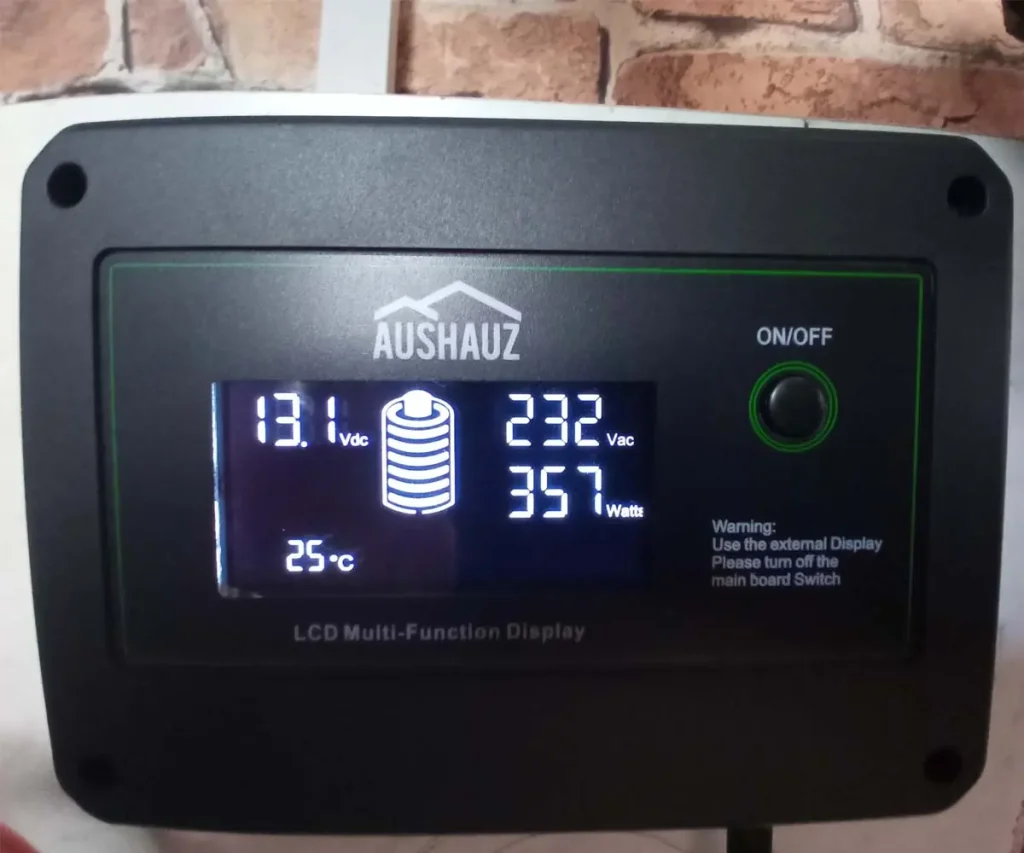
Running simultaneously, these setups draw a total of 360 watts.
Why I Chose a LiFePO4 Battery?
I built this backup system by carefully selecting high-quality, reliable components. While the upfront investment wasn’t cheap, the peace of mind is worth every penny.
The Battery Bank
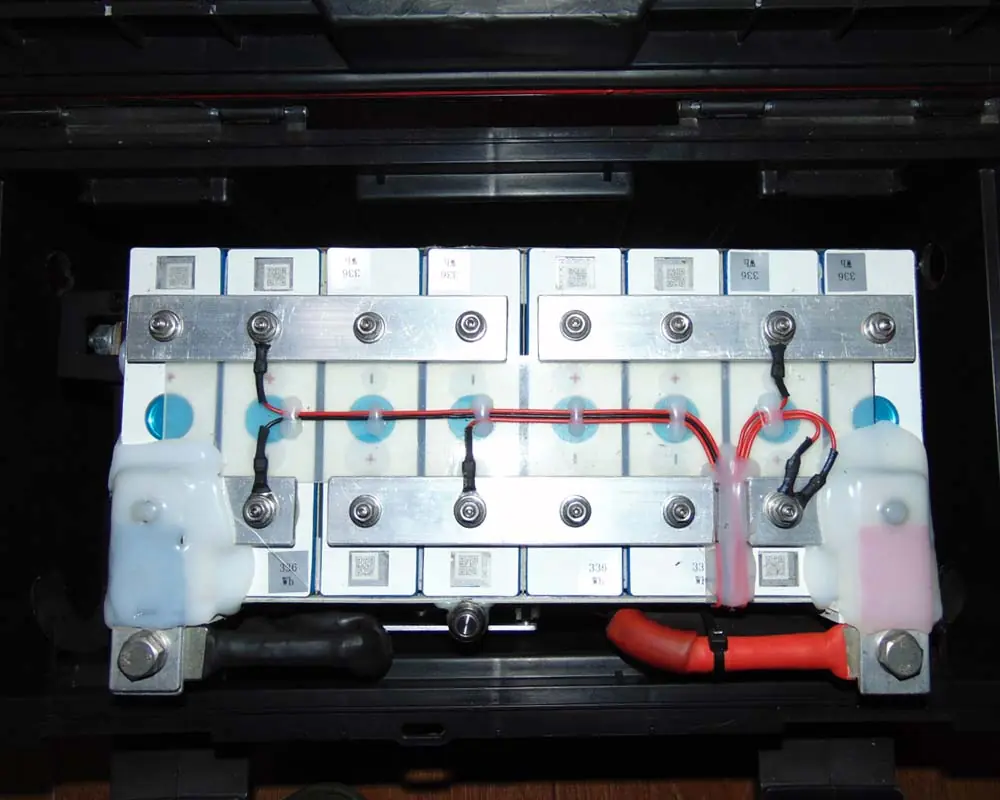
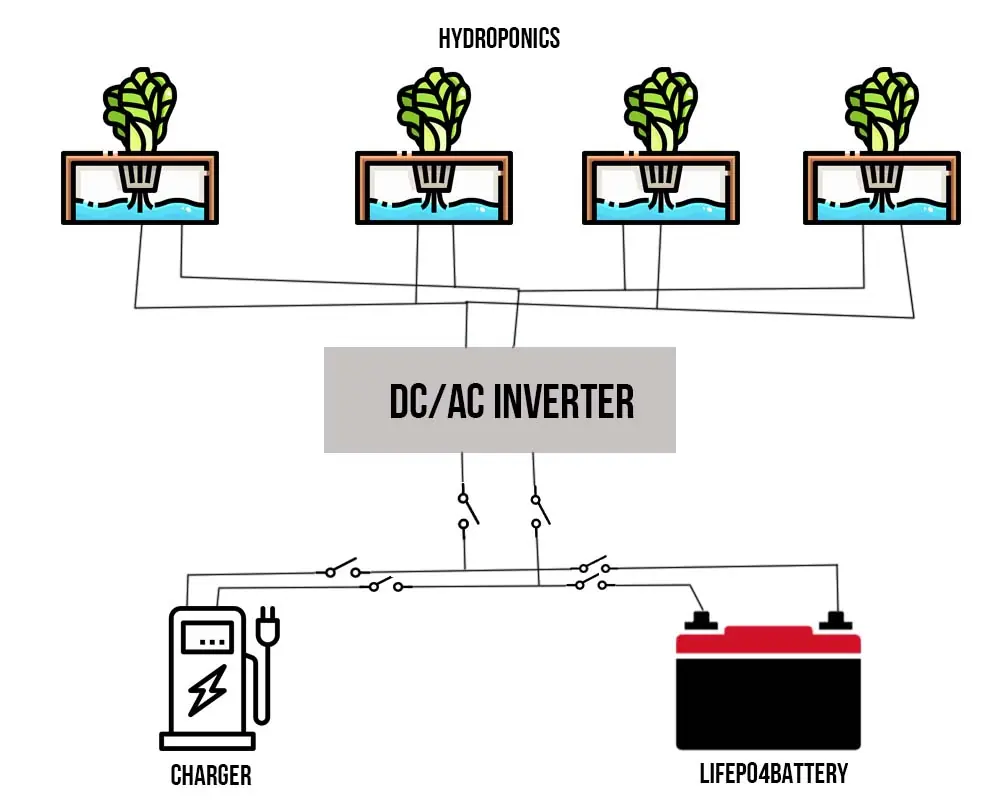
The heart of the system is a Lithium Iron Phosphate (LiFePO4) battery pack. Built from eight EVE prismatic cells managed by a Smart Jikong (JK) BMS, it provides a total capacity of 2.7 kWh (210Ah at 12.8V). I chose LiFePO4 chemistry for its exceptional lifespan—rated at 7,000 charge/discharge cycles, this pack will power my hydroponic setups for years to come.
I opted for a 12-volt architecture over 24 volts primarily to keep initial build costs down. While a 24-volt setup offers higher efficiency and scale, it wasn’t necessary for my current power draw.
The DC/AC Inverter
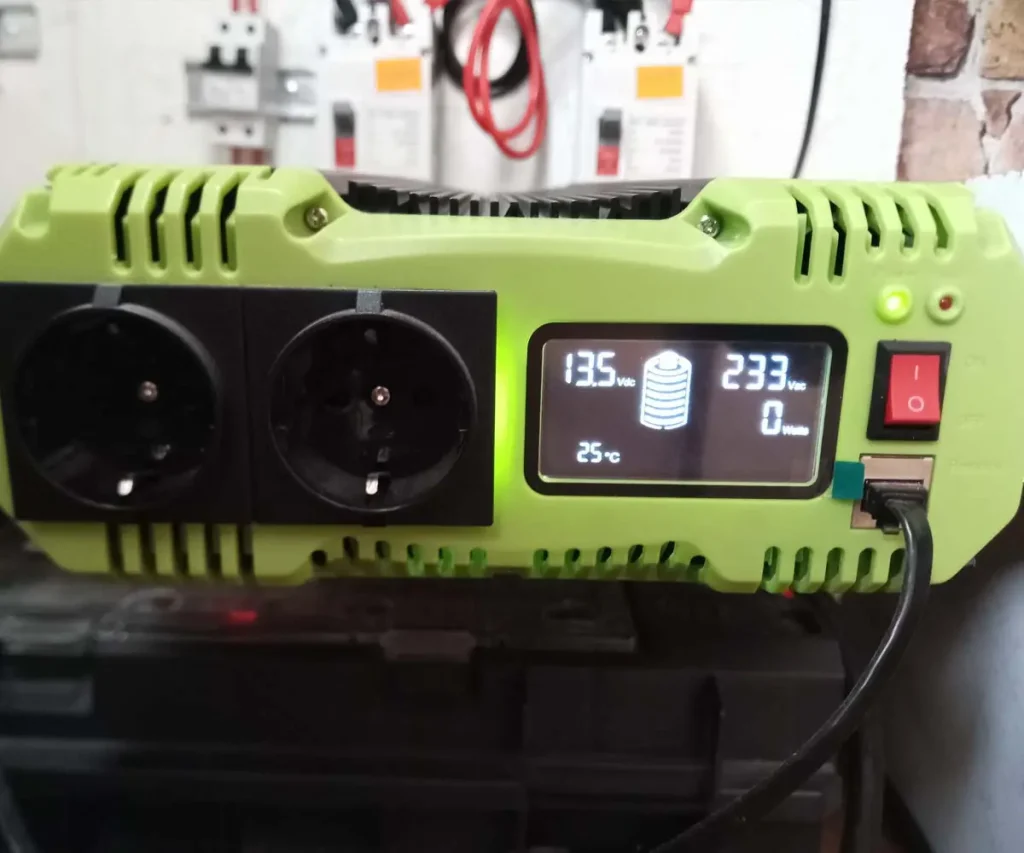
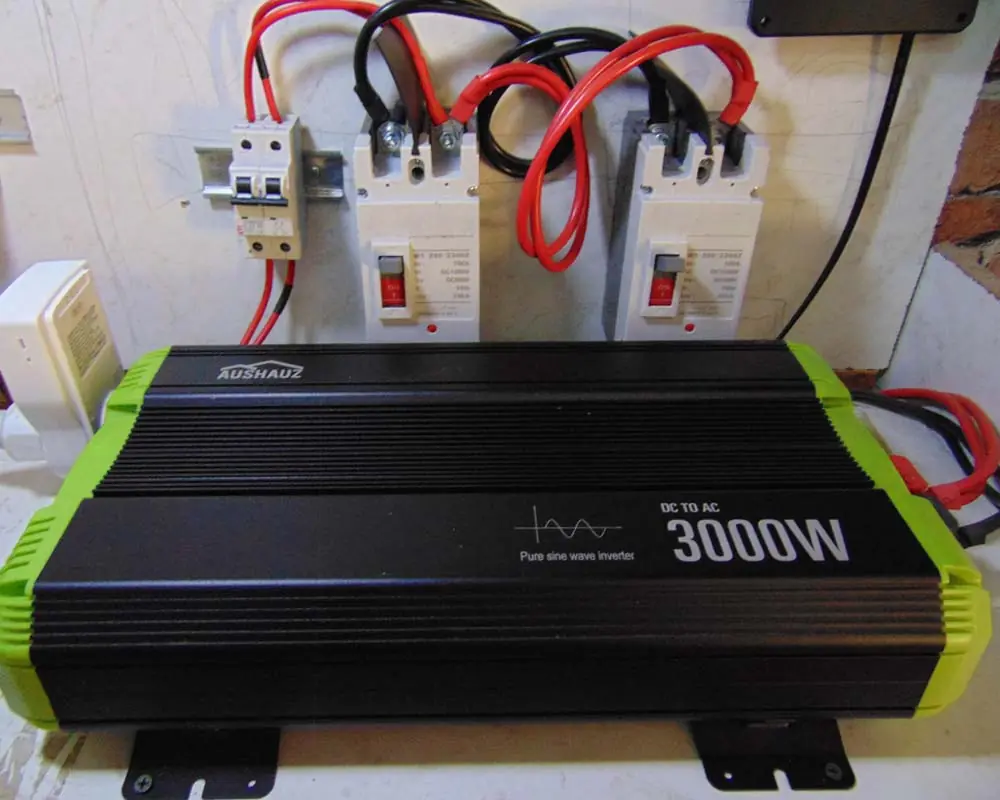
To convert DC battery power into usable household AC, I use an AusHauz 3000W Pure Sine Wave Inverter. A pure sine wave output is essential because water pumps and digital timers can overheat or fail on modified sine wave inverters. The digital display gives me real-time feedback on battery voltage and total wattage draw.
The Battery Charger
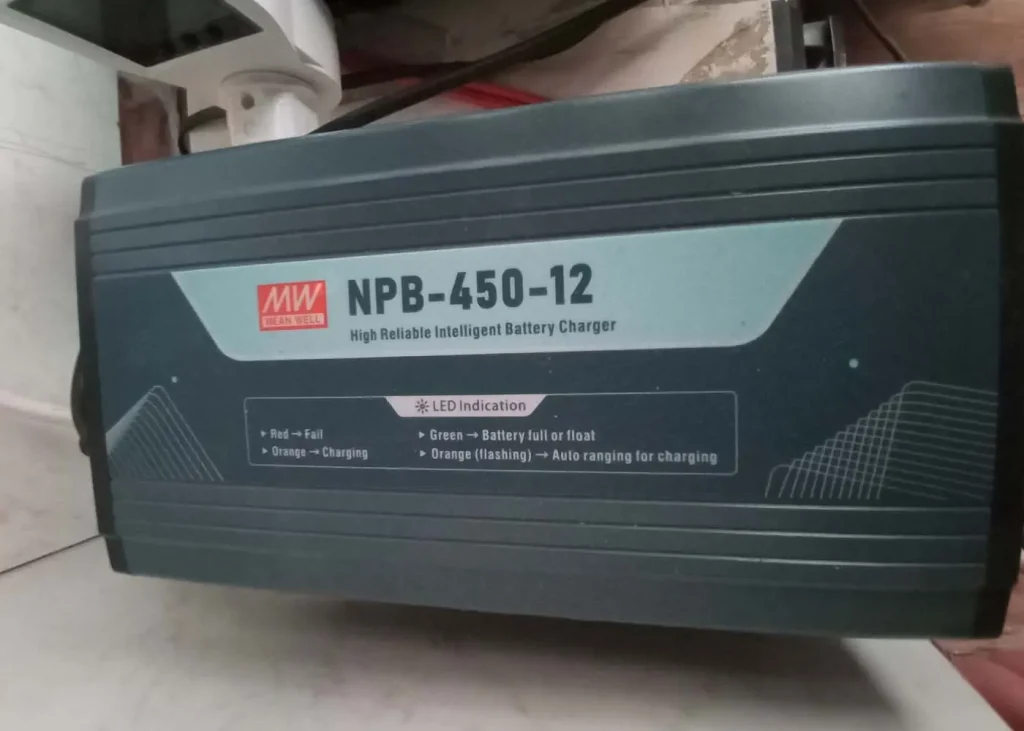
To recharge the bank, I use a Mean Well NPB-450 charger capable of delivering 25 amps at 12 volts. Recharging the battery from 0% to 100% takes about 8 to 9 hours. While this works fine between typical blackout cycles, upgrading to a 50-amp charger would cut that recharge window in half.
Gasoline Generator Integration
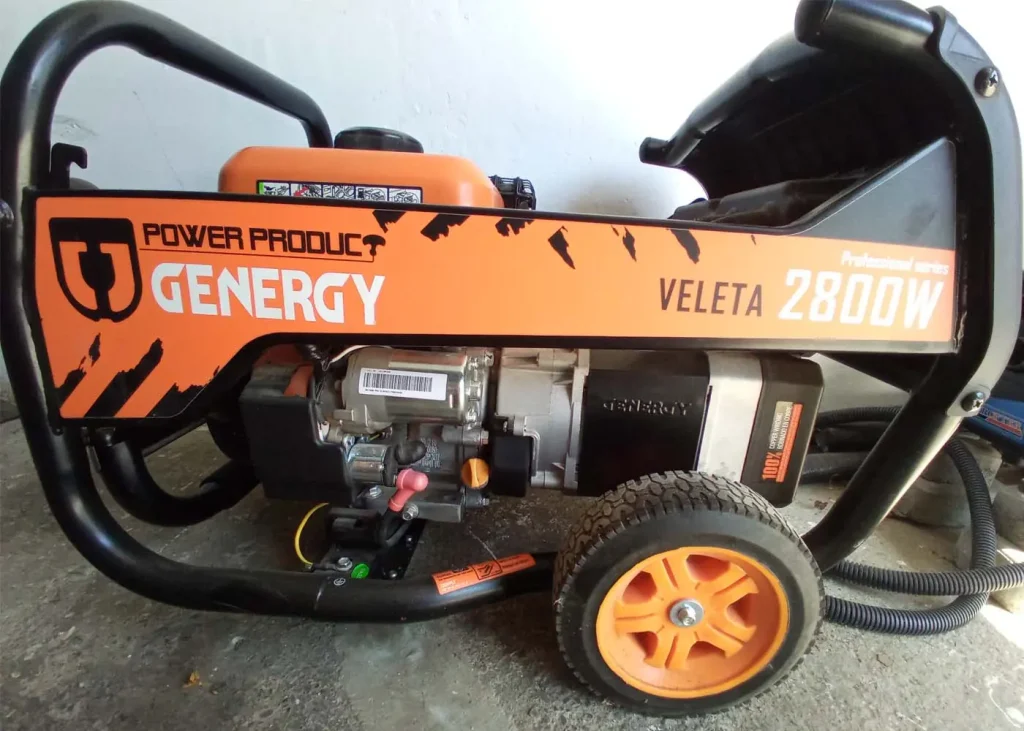
For multi-day grid failures, I integrated a Genergy Veleta 2800W portable generator (2.8 kW peak / 2.6 kW continuous) into my routine.
When the battery drains during an extended outage, I fire up the generator to power the garden and recharge the battery pack simultaneously. Running the generator for 2 to 3 hours three times a day allows me to operate indefinitely off-grid. The only real trade-offs are generator noise and fuel costs.
А diagram of DIY battery backup for hydroponics
Energy Budgeting & Calculations
Calculating the runtime for a hydroponic battery system is straightforward:
Full Power Mode (Lights, Pumps, Fans):
2700Wh ÷ 360W ≈ 7.5 hours
Economy Mode (Lights & Water Pumps Only):
By turning off the air pumps and fans, overall consumption drops to 220 watts.
2700Wh ÷ 220W ≈ 12.3 hours
In Economy Mode, I can easily bridge a 12-hour blackout. Combining the battery bank with the gas generator makes the system completely autonomous 24/7.
Battery Capacity Needed for 8 Hours of Backup
Here is a table showing what kind of battery you need for 8 hours of backup power, depending on the total power consumption of your hydroponic system.
|
Total Power Draw |
Backup Time |
Required Battery |
|---|---|---|
|
50 W |
8 hours |
400 Wh |
|
100 W |
8 hours |
800 Wh |
|
200 W |
8 hours |
1,600 Wh |
|
340 W |
8 hours |
2,720 Wh |
Comparing Backup Power Options
|
Option |
Estimated Cost |
Typical Runtime |
Automatic Transfer |
Best Used For |
|---|---|---|---|---|
|
UPS (Uninterruptible Power Supply) |
$50 – $300 |
15 – 60 mins (Lead-Acid) |
Yes (0ms – 10ms seamless transfer) |
Single low-wattage water air pumps or inline pumps; bridging momentary flicker/brownout events until a main generator turns on. |
|
Portable Power Station (Jackery, EcoFlow, Anker) |
$300 – $1,500 |
4 – 24 hours (Depends on Wh capacity & light usage) |
Partial (Select models feature 10–20ms EPS/UPS pass-through mode) |
Plug-and-play indoor systems (Aerogarden, small tent setups, DWC buckets) where you need overnight coverage without DIY wiring. |
|
DIY LiFePO4 System (Battery + Inverter + Charger) |
$400 – $1,200 |
12 – 48+ hours (Highly expandable) |
Optional (Requires automatic transfer switch or hybrid inverter) |
Custom indoor or greenhouse rigs with moderate loads (water pumps + fans + scaled lighting); offers the lowest cost-per-Watt-hour ratio for long outages. |
|
Generator (Gas / Propane / Diesel) |
$400 – $2,000+ |
Indefinite (Runs as long as fuel is supplied) |
Manual / Auto (Auto requires a stand-by unit with a transfer switch) |
Large commercial setups, multi-light grow tents, heavy nutrient chillers, or multi-day grid failures where battery capacity isn’t enough. |
Lessons Learned & Future Upgrades
People often ask if building a custom backup system is worth the cost. For me, the answer is a resounding yes. It prevents crop losses and ensures plant growth isn’t stunted. Because most hydroponic setups begin to suffer within 1 to 5 hours without water circulation, it’s simply not worth the risk.
Current Drawbacks
Manual Switchover: The system requires me to manually flip switches and plug the garden into the inverter. If an outage hits while I’m away from home, the systems stay down.
Slower Charging: Choosing a 25-amp charger was a minor oversight. A 50-amp unit would cut recovery time in half between power drops.
Manual Generator Start: The generator doesn’t automatically fire up when the grid drops or turn off when utility power returns.
Moving Toward Total Energy Independence
My ultimate goal is full automation. I plan to install solar panels paired with a hybrid solar inverter to decouple the setup from the municipal grid entirely, allowing for seamless, zero-downtime power switching.
I also intend to expand my battery storage to at least 10 kWh. That capacity will cover not just my hydroponic garden, but also my entire household’s essential appliances during major emergencies.
In an era of unpredictable weather and grid instability, investing in energy self-sufficiency is one of the smartest upgrades you can make for your home and garden.
Share This Post