
Many years ago, when I first began growing vegetables hydroponically, there was very little information available on which crops were actually beginner-friendly. To save you the trial and error I went through, here is a guide on where to start if you are new to the world of water-based gardening.
Leafy Greens
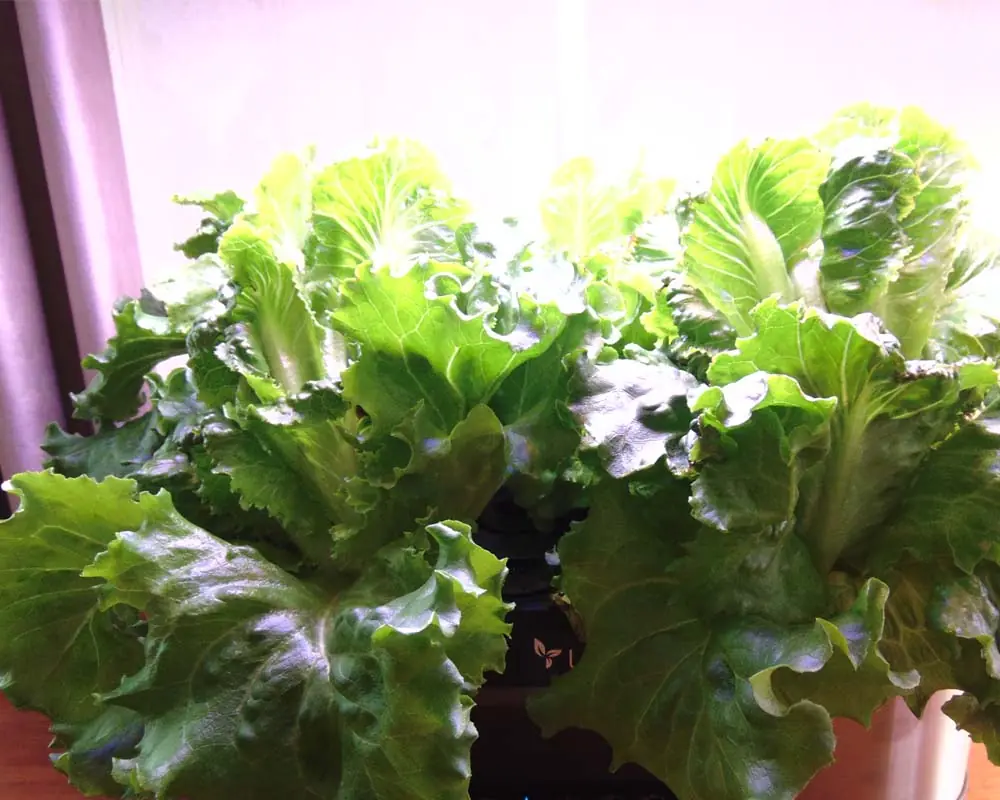
Lettuce is arguably the best entry point for any hydroponics enthusiast. It is incredibly resilient; even if you make a few mistakes with your setup, it will likely still produce a rewarding harvest.
Growth Cycle: It takes only 4–6 weeks from seed to harvest. While growth under artificial lighting can sometimes be slower than in full outdoor sun, the controlled environment often produces much tenderer leaves.
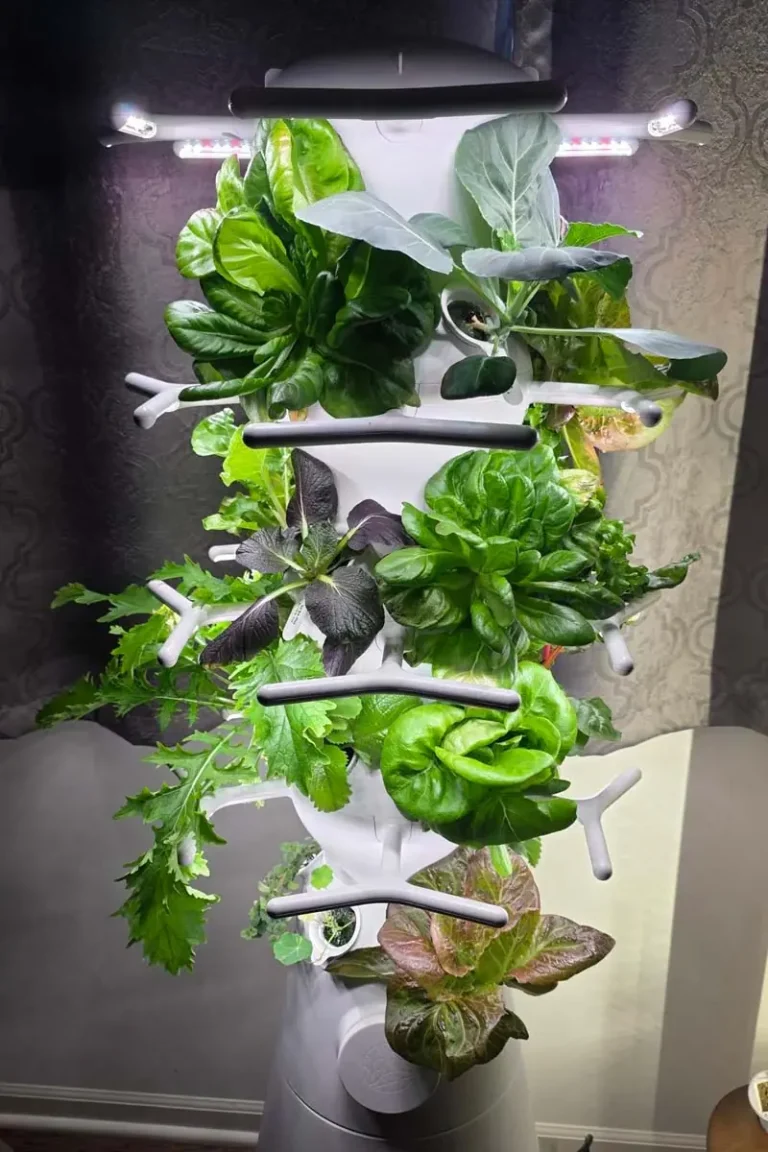
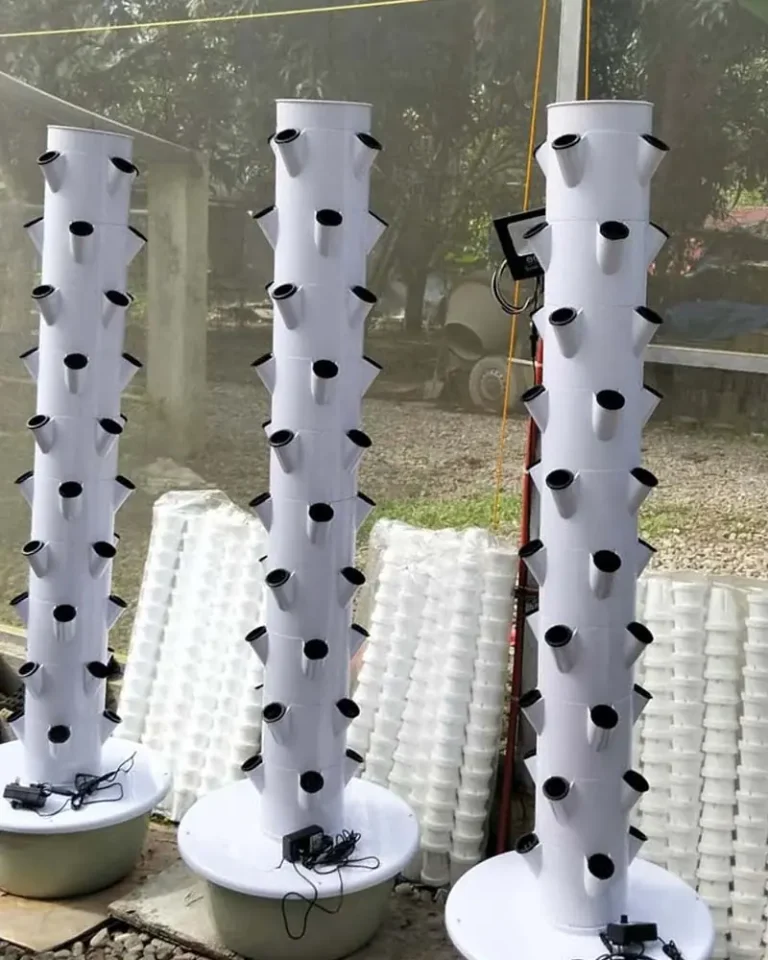
Best Setup: In my experience, an NFT (Nutrient Film Technique) tower is the most effective method for lettuce.
Pro Tip: To prevent bitter leaves, avoid placing your system in a spot with more than six hours of direct sunlight. Additionally, always ensure you are adding a calcium supplement to your nutrient solution along with your standard fertilizers to prevent tip burn.
The variety of lettuce available today is staggering. Romaine remains a favorite because of its upright, compact shape and elongated leaves—making it perfect for tight indoor spaces. Butterhead is another popular choice, prized for its juicy leaves and a beautiful head shape that resembles a blooming flower.
Read also: Why Your Desktop Hydroponic Lettuce is Stalling (6 Small-System Fixes)
Culinary Herbs
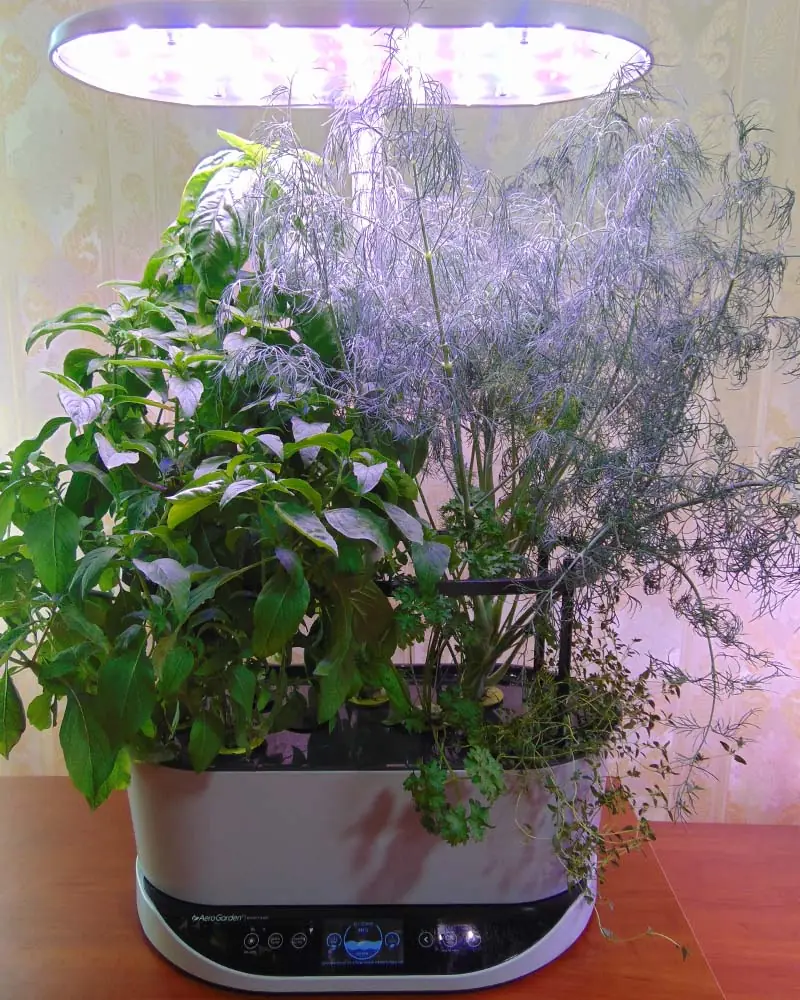
Fresh herbs are a “must-have” for any indoor gardener. Most culinary herbs are highly adaptable and will thrive regardless of the size or complexity of your hydroponic system.
Dill
This is one of my personal favorites. Its aroma always takes me back to my childhood, watching my mother cook in the kitchen. In a hydroponic system, it grows aggressively; you can have a large, fragrant bush in just six weeks. I recommend sowing several seeds in a single pod to create a denser, more robust plant.
Basil
A classic companion for tomatoes, basil is easy to grow but does have a few preferences. It can be prone to root rot and yellowing leaves, so it performs best in systems with active water aeration. Keep a close eye on your pH levels to keep it vibrant.
Parsley
Though it is slow to germinate and takes its time to mature, parsley is incredibly rewarding once it gets going. It can be sensitive to chlorosis if the pH levels climb too high, but its hardiness still makes it an ideal choice for beginners.
Read also: 6 Steps to Stop Root Rot in AeroGarden & iDOO
Bok Choy
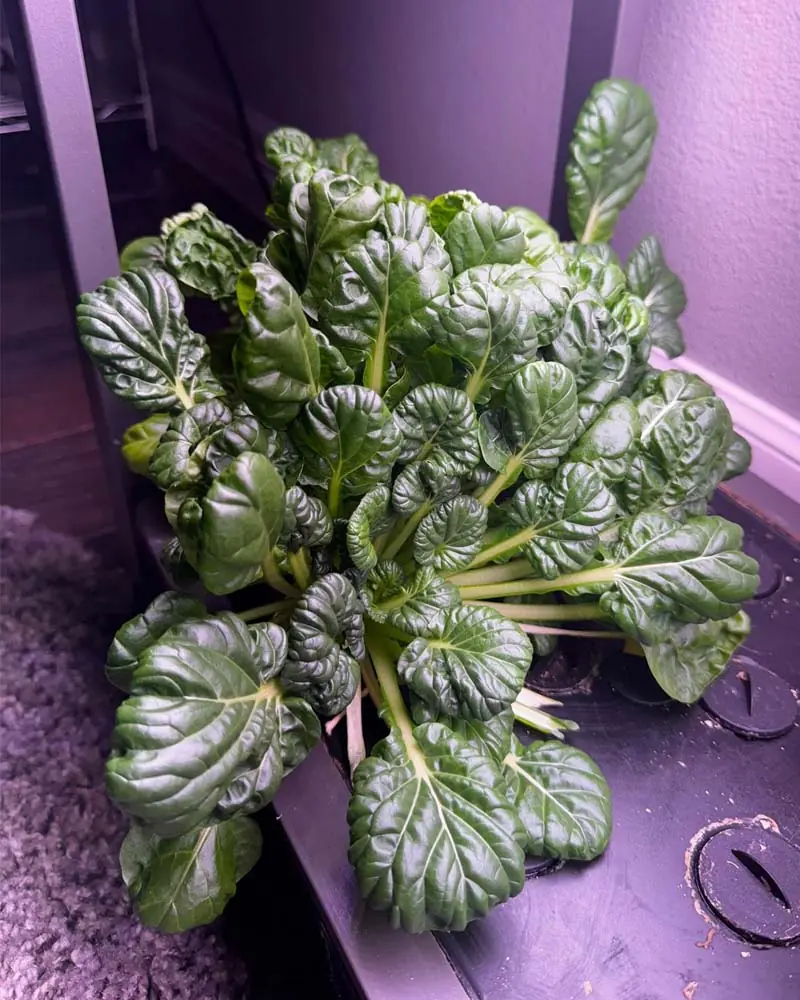
If you want fast results, Bok Choy is your best friend. It germinates almost overnight and grows rapidly, producing large, crisp green leaves that are perfect for salads or stir-fries.
- System Versatility: It thrives in almost any hydroponic setup and is remarkably resistant to root rot.
- Water Chemistry: It is slightly more sensitive to pH than lettuce; for the best results, keep your solution between 5.5 and 6.3.
- Resilience: It handles temperature fluctuations well and, unlike lettuce, isn’t bothered by intense, direct sunlight.
Read also: Water Management In Small Indoor Hydroponics
Spinach
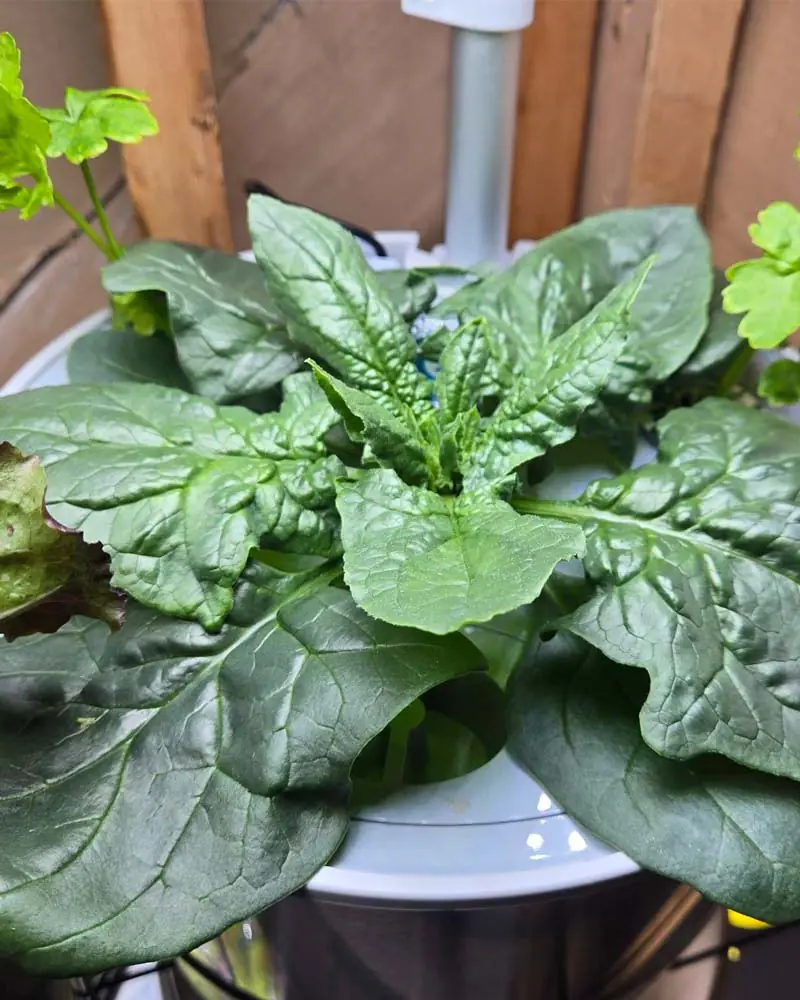
Spinach is a high-efficiency plant. Its large, broad leaves are designed to absorb every bit of available light, making it a “food factory” for indoor growers.
- Efficiency: Spinach is excellent for those looking to save on energy. It prefers cooler environments, meaning you don’t need to worry about heating the grow room.
- Maintenance: Because it is a thirsty plant with a high transpiration rate, it requires a larger reservoir. You will also find it needs a slightly higher nutrient concentration compared to other leafy greens to keep those dark leaves healthy.
Read also: 6 Best Plants to Grow in AeroGarden Bounty
Swiss Chard
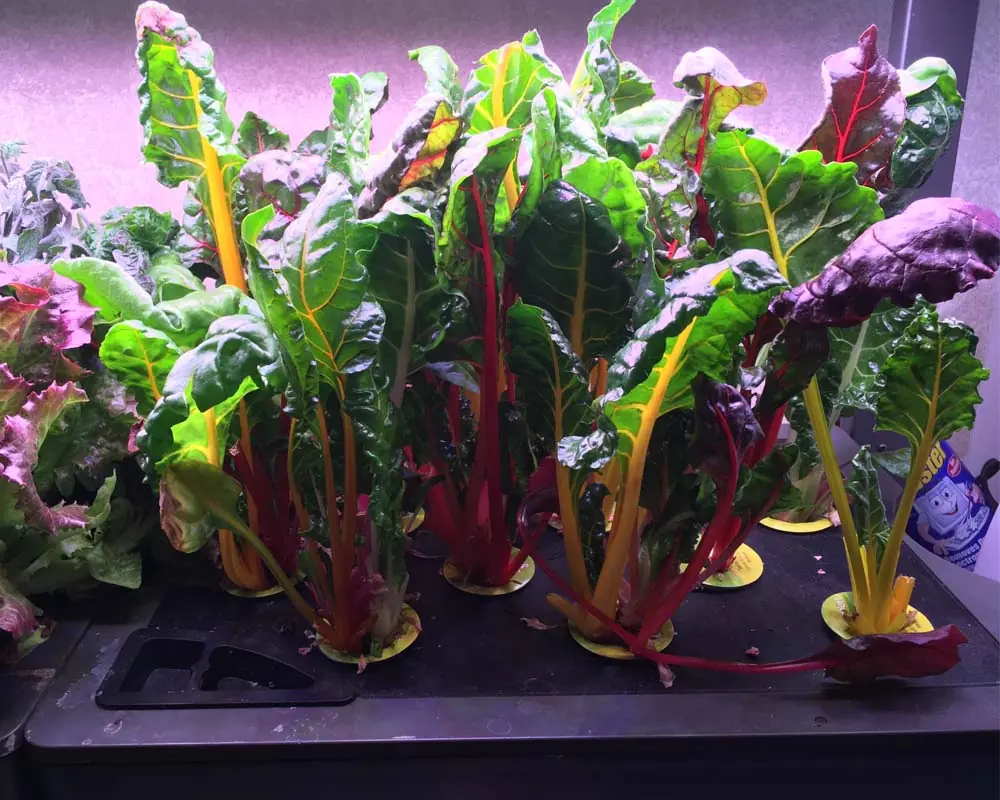
Rounding out the list is Swiss Chard. This plant is the ultimate “safety net” for beginners because it is incredibly tolerant of common mistakes.
- PH Flexibility: While other plants might turn yellow if your water chemistry is off, Swiss Chard remains vibrant even in water with a higher pH.
- Climate Control: It is exceptionally heat-tolerant, allowing it to flourish in full sun or partial shade without bolting prematurely.
Read also: What NOT to Grow in a Desktop Hydroponic Garden
Share This Post