
Over my years of growing vegetables hydroponically, I have tested dozens of brand-name systems and built countless custom setups. While the marketing for “all-in-one” kits is tempting, the reality on the ground—or in the water—is often different.
⚡QUICK ANSWER: A DIY hydroponic system is almost always the superior choice for those prioritizing productivity and ROI. You aren’t just saving money; you are buying the freedom to scale.
A common myth is that brand-name systems are “plug-and-play.” In reality, to truly master hydroponics, you must understand the chemistry and mechanics regardless of where the plastic came from. Building your own system forces you to learn these principles from day one, which is an invaluable asset for any grower.
| System Category | Brand-Name Model | Brand Price | DIY Price | Net Savings | DIY Scale (Units per 1 Brand) |
| Vertical Tower | Tower Garden (Base) | $543 | $77 | $466 | 7x Towers |
| NFT (Entry) | VEVOR Single-Tier | $73 | $61 | $12 | 1.2x Units |
| NFT (Premium) | Rise Gardens Triple | $1,500 | $220 | $1,280 | 6.8x Units |
| DWC (Bucket) | VIVOSUN Single Kit | $68 | $23 | $45 | 3x Buckets |
| DWC (Premium) | AeroGarden Farm 12 XL | $600 | $110 | $490 | 5.4x Units |
Vertical Towers
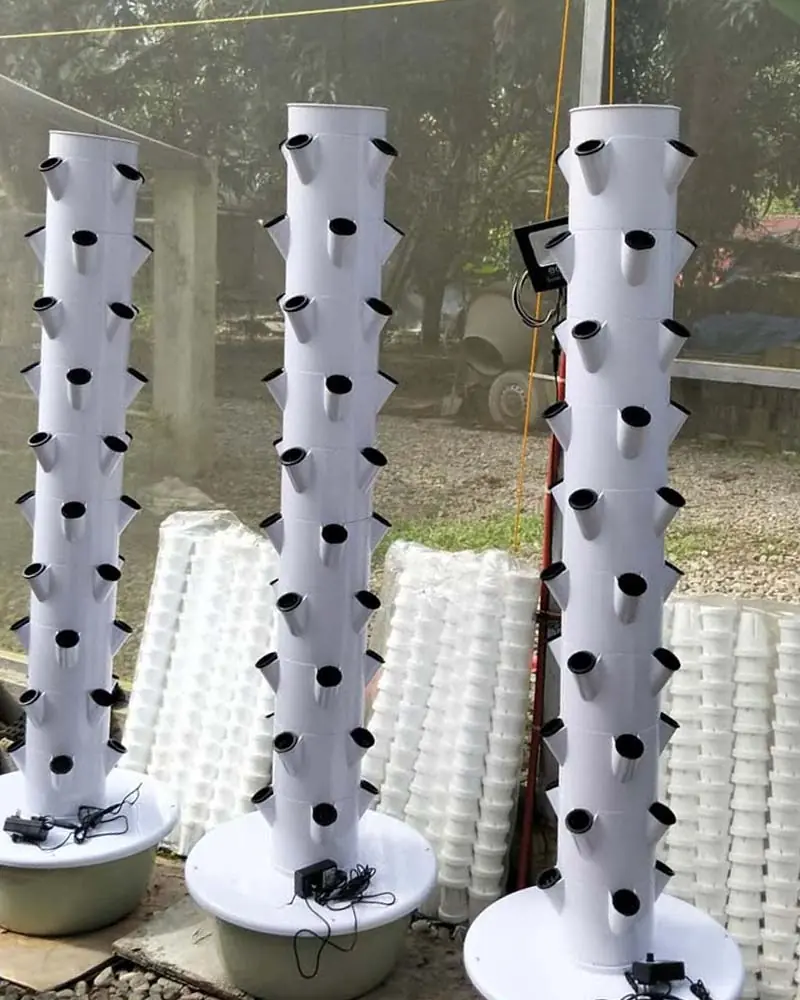
The Tower Garden is likely the most recognizable vertical system on the market. It retails for approximately $670, and even if you strip away the optional kits, you’re looking at $543 for only 20 planting ports.
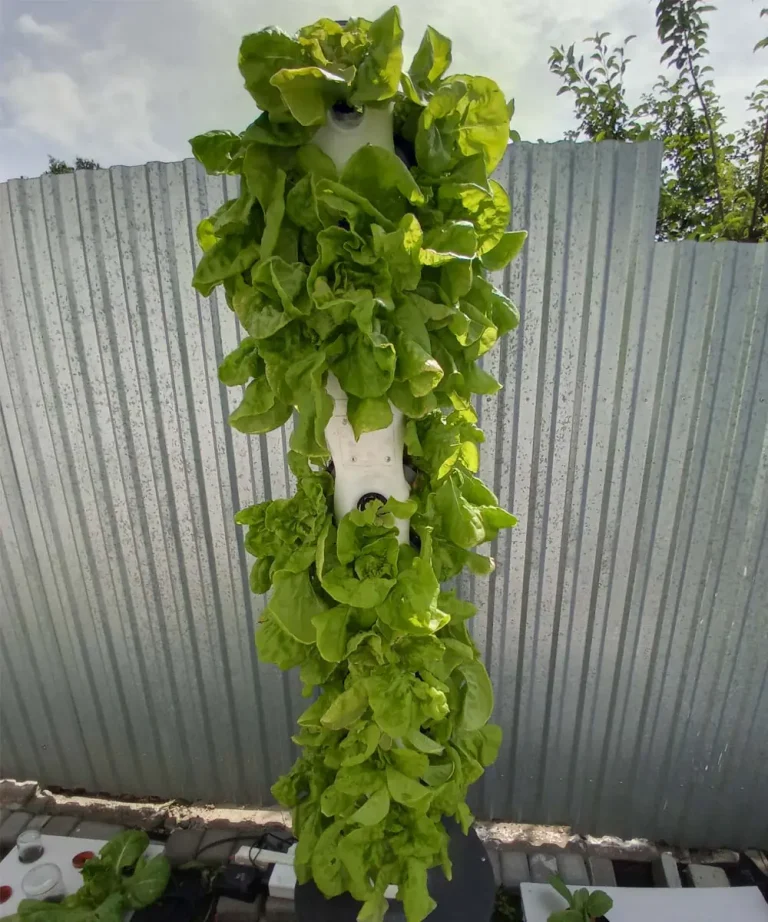
I built a custom vertical tower for $77 that supports 30 plants.
The ROI: For the price of one Tower Garden, I can build seven DIY towers.
The Knowledge Gap: By building my own, I learned how to troubleshoot leaks, manage flow rates, and upgrade parts. If a branded tower fails, you are often stuck waiting for expensive, proprietary replacement parts and specialized technicians.
The Trade-off: DIY towers can be prone to minor leaks. I solved this by sealing ports with silicone. While a DIY tower may not look as “polished” as a branded unit, the plants don’t know the difference—the harvest is identical.
Read also: Building Your Own DIY NFT Hydroponic Tower
NFT Systems
DIY vs. VEVOR (The Entry Level)
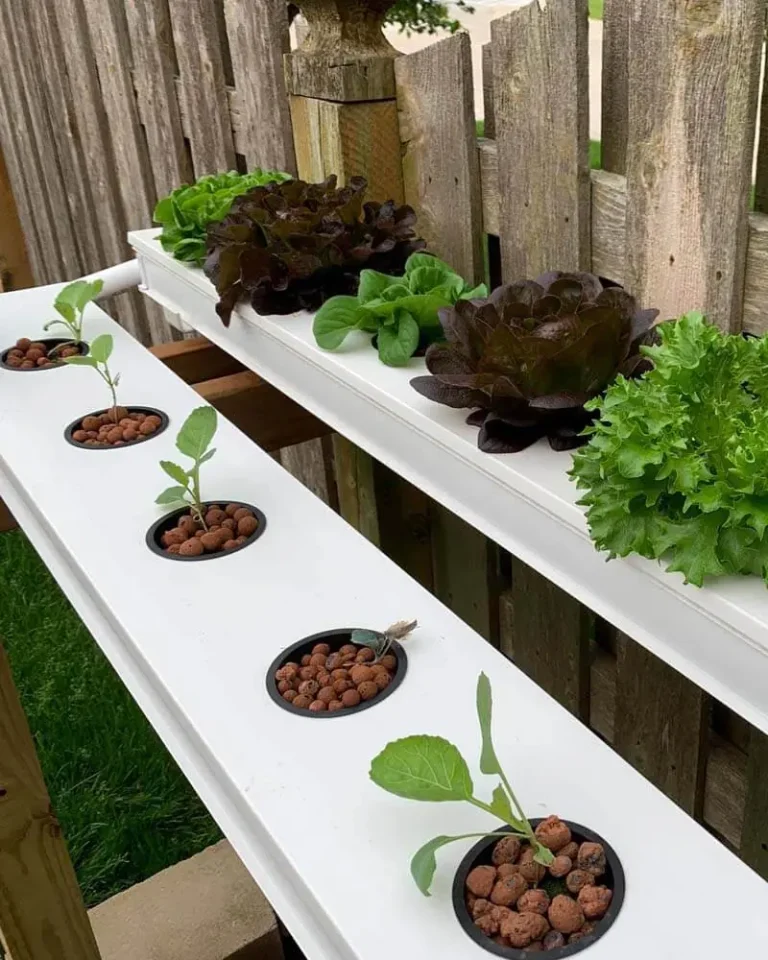
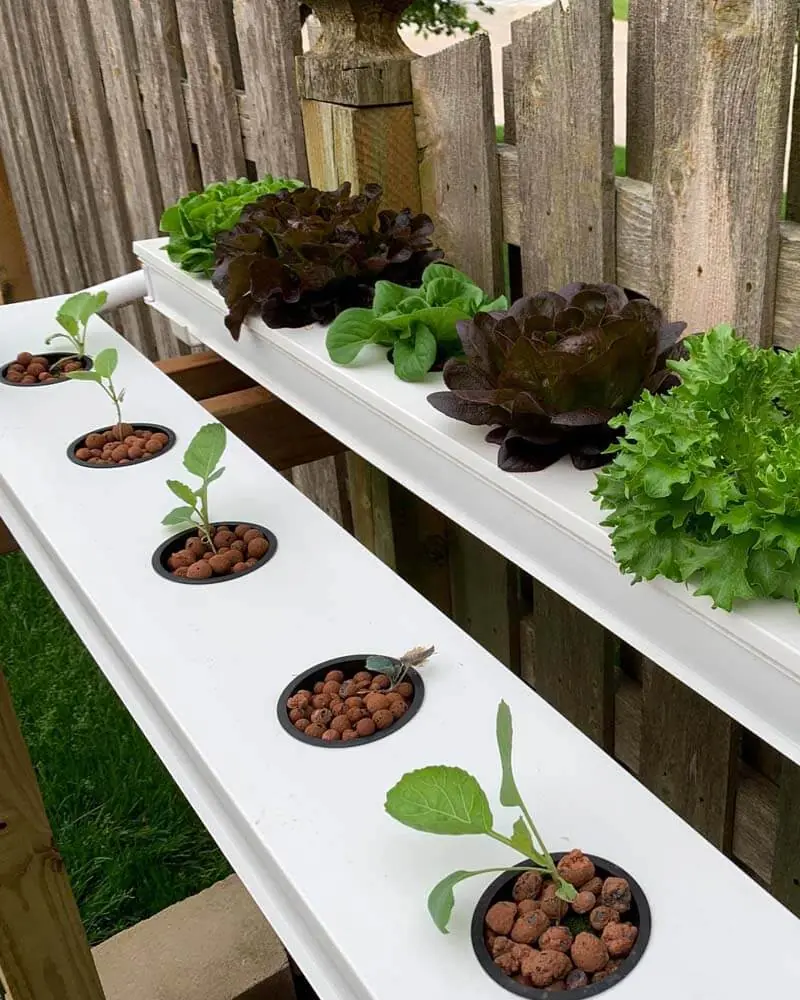
In the world of horizontal NFT (Nutrient Film Technique), the price gap is tighter. A DIY four-pipe system with a custom frame and reservoir costs roughly $61. A ready-made VEVOR single-tier system sits at $73.
Verdict: Since the price difference is minimal, a budget Chinese system like VEVOR is a viable alternative if you are short on time. However, be prepared for thinner plastic and a pump that may need replacing sooner than a high-quality DIY alternative.
DIY vs. Rise Gardens (The Premium Level)
The comparison shifts dramatically when looking at high-end units like the Rise Gardens Triple Family Garden.
- Rise Gardens: $1,500
- DIY 3-Tier NFT (with LED lighting): ~$220
You are paying a $1,280 premium for design and an app. If you are growing in a basement or garage where aesthetics don’t matter, overpaying by a thousand dollars makes little sense.
Read also: The Hydroponic Efficiency Matrix
DWC
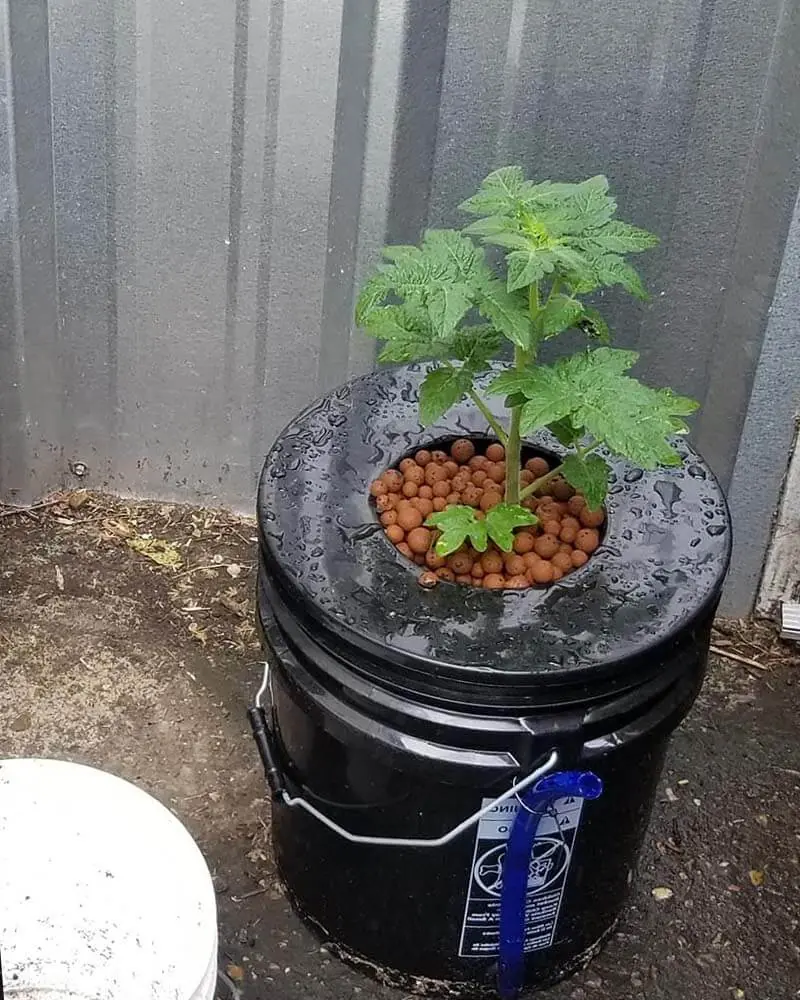
Deep Water Culture (DWC) is the easiest system to replicate, yet it has some of the highest markups. A VIVOSUN single-bucket kit costs $68 for a basic bucket, lid, and air pump.
I built the exact same setup for $23. For the price of one VIVOSUN bucket, you can build three DIY systems.
The gap widens further when comparing the AeroGarden Farm 12 XL ($600) to a DIY DWC setup. I built a comparable system with a larger reservoir and professional-grade LED lighting for $110. You can own five custom “Farm” setups for the price of one brand-name unit.
er reservoir and professional-grade LED lighting for $110. You can own five custom “Farm” setups for the price of one brand-name unit.
Read also: Why the NFT Tower is the Most Efficient Hydroponic Method for Lettuce
Final Verdict
DIY systems pay for themselves significantly faster than branded ones. The downside is their “industrial” appearance and the manual labor required for assembly.
Choose Branded: If you want a decorative piece for your kitchen or living room and money is no object.
Choose DIY: If you are growing in a basement, garage, or outdoors and want a system that is easy to repair, cheaper to scale, and far more productive.
Do you think the “smart features” and apps in systems like Rise Gardens actually help you grow better plants, or are they just a distraction from learning the basics?
Share This Post