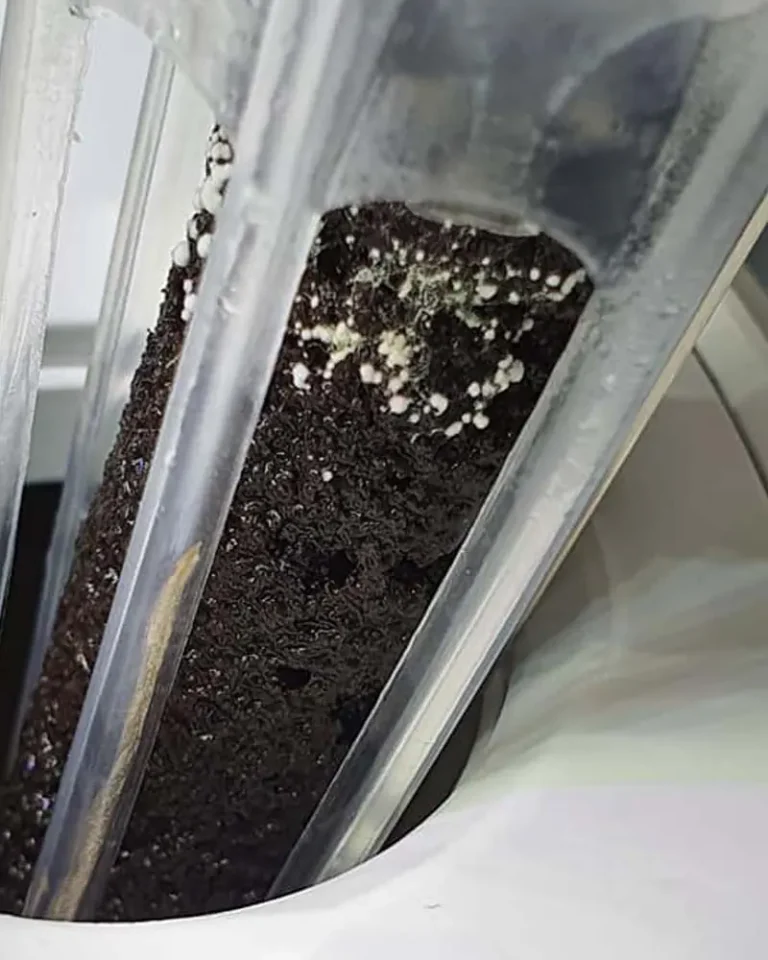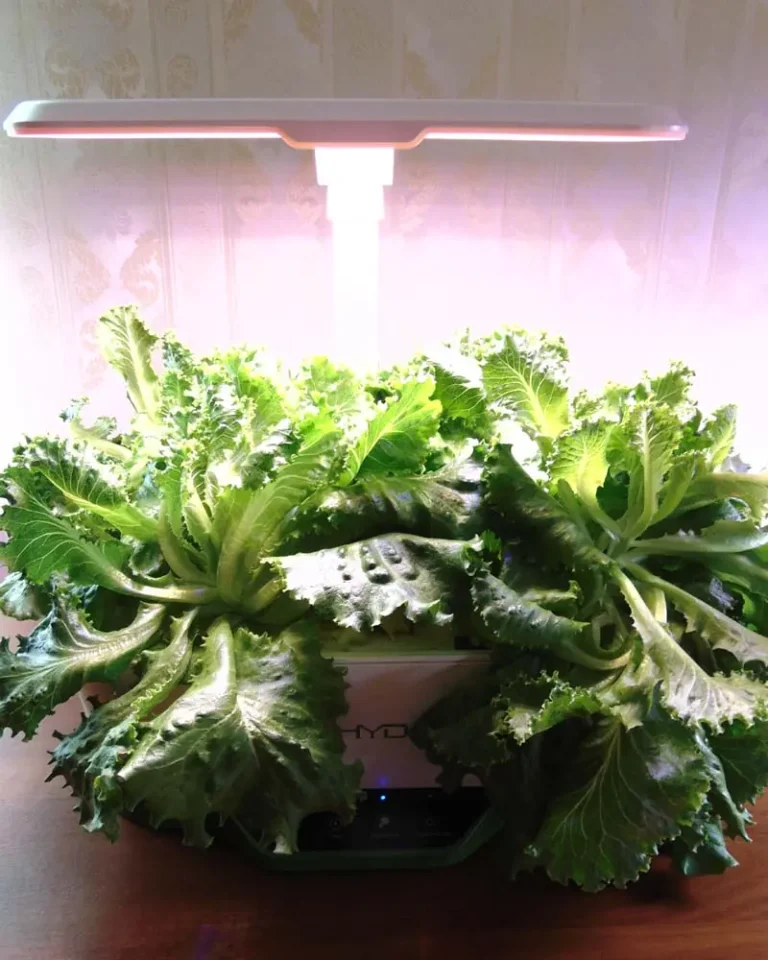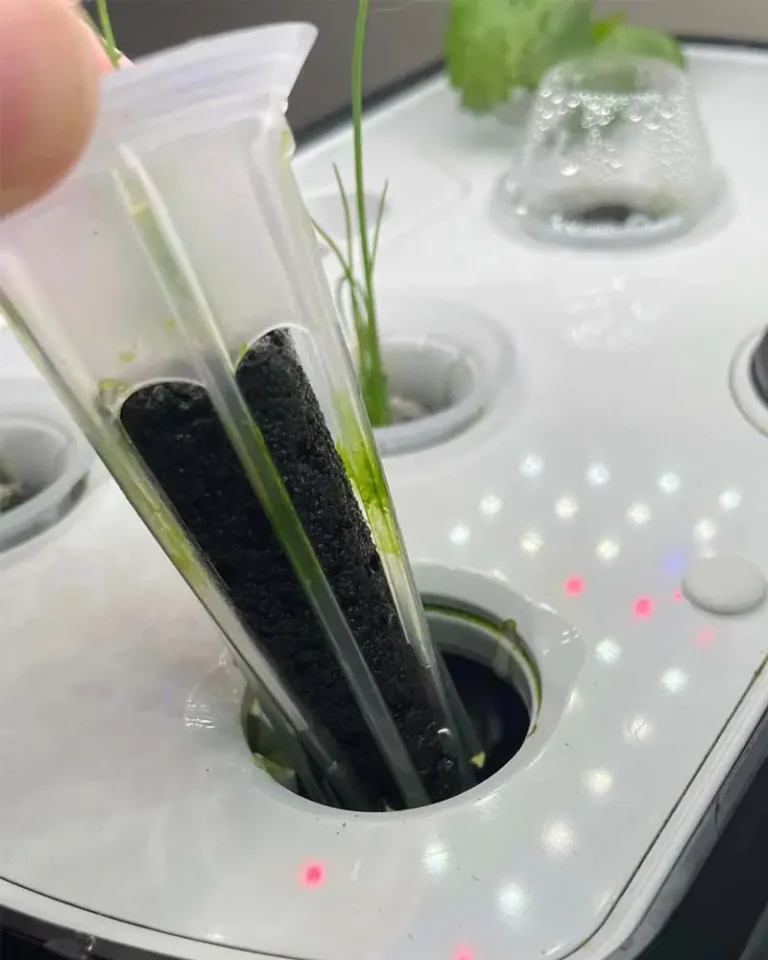

When I first started out with hydroponics, I made my fair share of mistakes. They cost me harvests, wasted electricity, and caused plenty of frustration. To help you avoid those same pitfalls, I’ve compiled the eight most critical lessons I learned the hard way.
|
Mistake |
Symptoms |
The Fix |
|---|---|---|
|
1. Neglecting pH |
Yellow leaves with green veins (chlorosis). |
Keep reservoir pH at 5.5–6.0 using a calibrated meter and pH-Down. |
|
2. Wrong Lighting |
Leggy, spindly stems; loose greens with no heads. |
Upgrade to full-spectrum Quantum Board LEDs (60–240W). |
|
3. High Water Temp |
Stalled growth, dropped flowers, bitter bolting. |
Insulate tanks with XPS foam boards and add cold-air aeration. |
|
4. Ignoring EC |
Burnt leaf tips (high EC) or curling yellow leaves (low EC). |
Track EC daily using a meter; switch to multi-part nutrients like FloraSeries. |
|
5. Lack of Aeration |
Brown, mushy, foul-smelling roots (root rot). |
Install an air pump with an air stone and treat water with HydroGuard. |
|
6. Poor Air Circulation |
Blackened, inward-curling inner leaf edges (tip burn). |
Position an oscillating fan nearby and supplement with Cal-Mag. |
|
7. Wrong Tank Size |
Rapid water loss (refills every 1–2 days) and clogged pumps. |
Use 5+ gallon tanks for large crops; limit small desktop units to 2 pods. |
|
8. Starting Too Hard |
Dropped blossoms, fruit rot, and failed harvests. |
Build basic skills first using fast-growing greens (lettuce, herbs). |
1. Neglecting pH Levels
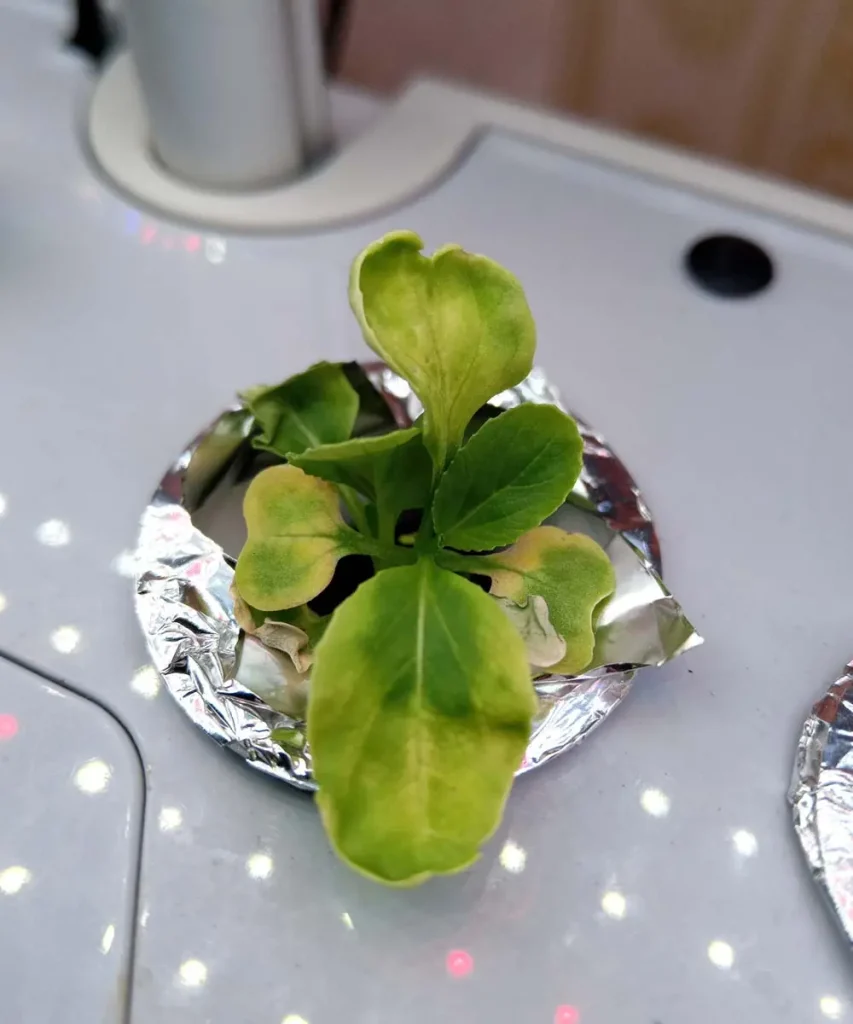
Early on, I rushed the setup and skipped the details. I simply poured tap water into the tank, added fertilizer, planted seeds, and waited for results.
That was my first big mistake: I completely ignored water pH. My local tap water has a high pH (7.8–8.0). At this level, nutrient lock-out occurs, leaving plants unable to absorb essential minerals like magnesium needed for photosynthesis.
Symptoms:
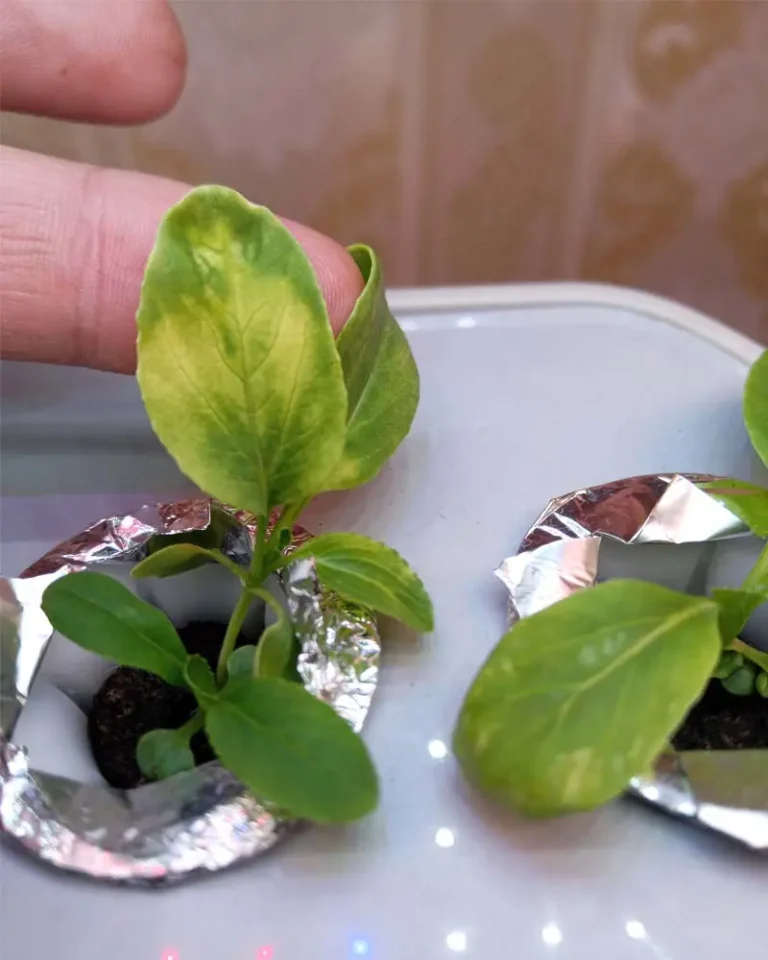
Chlorosis appeared on the leaves. The tissue turned yellow between the veins while the veins themselves remained green. This yellowing occurred primarily on older leaves, while younger growth stayed green.
How I solved it:
- Purchased a reliable digital pH meter (Aqua Master Tools P50 Pro) alongside a calibration kit.
- I now calibrate the meter weekly and store it in a cool place away from direct sunlight.
- I cross-verify digital readings periodically using pH test strips.
- At the start of a cycle, I set the pH between 5.5 and 6.0. I test each reservoir every 1–2 days and adjust as needed using pH-Down or fresh tap water.
2. Using the Wrong Lighting
I initially tried to cut costs by using whatever household light fixtures I had around. For example, I tried growing a tomato under standard room LED bulbs. The result was disastrous—a thin, leggy plant with zero harvest.
Later, I tried growing lettuce in a Click & Grow Smart Garden 9. The built-in LEDs weren’t intense enough for full heads, causing the lettuce to grow tall and spindly rather than forming tight, crisp leaves.
Symptoms:
Plants stretched dramatically toward the light source, creating long gaps between nodes. Stems grew weak and elongated.
How I solved it:
- Switched to dedicated full-spectrum Quantum Board LED grow lights (60W to 240W). High-light crops like peppers, eggplants, and tomatoes receive at least 60W.
- Reserved indoor tabletop hydroponic units primarily for low-light crops like lettuce, spinach, and parsley.
- Maintained proper plant spacing (at least 2 inches apart) so foliage doesn’t shade neighboring plants.
3. Poor Water Temperature Control
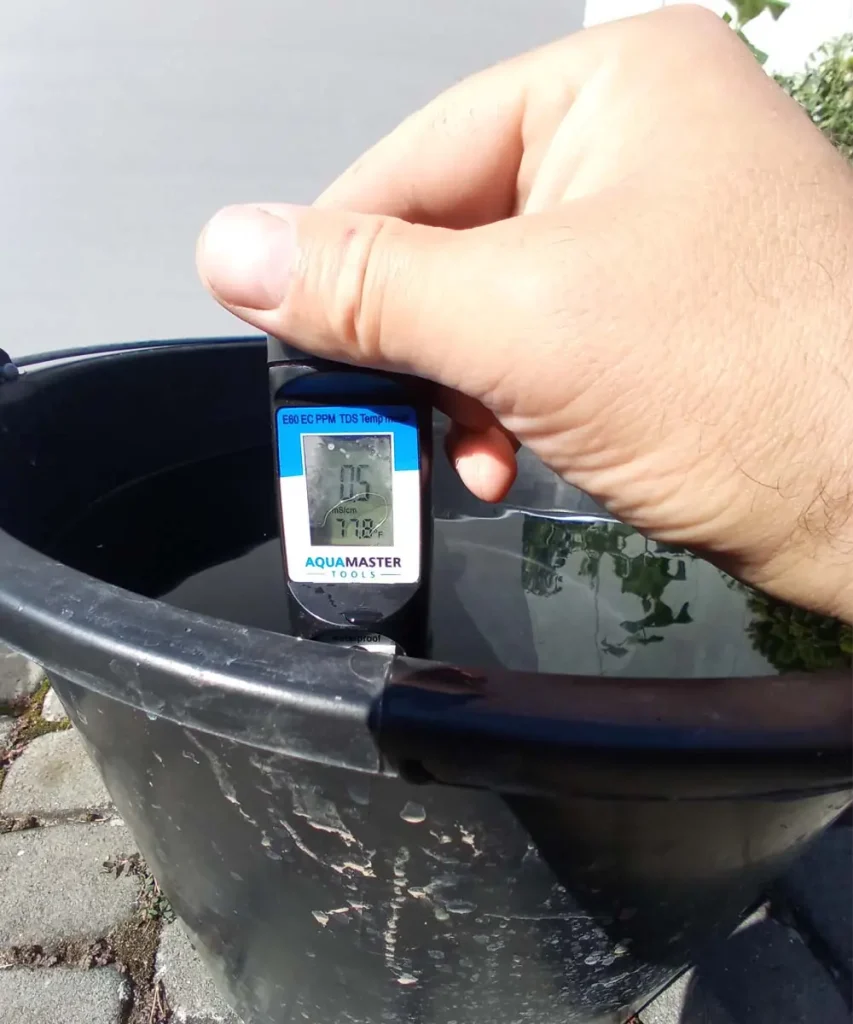
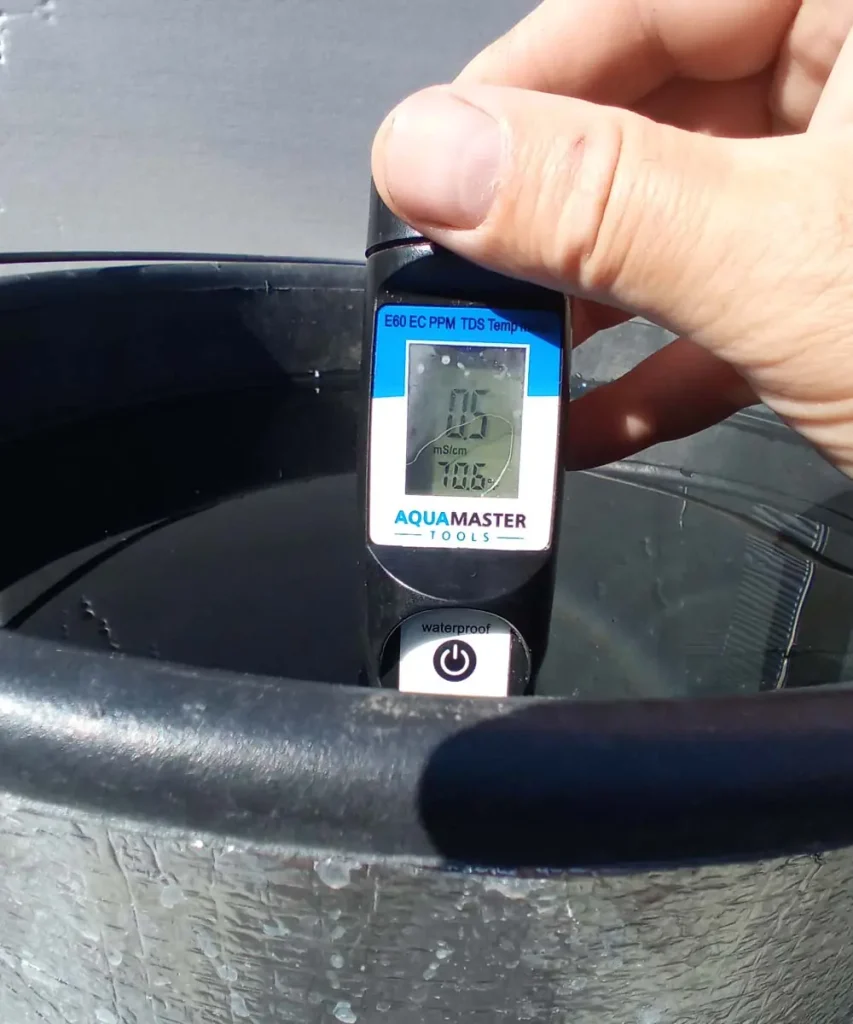
During my first summer growing hydroponics outdoors, reservoir temperatures surged to a critical 75.2°F (24°C). Warmer water holds significantly less dissolved oxygen, effectively suffocating root systems and preventing nutrient absorption.
Symptoms:
Overall growth stalled, and leaves developed chlorosis. Tomatoes dropped their blossoms and fruit buds, while lettuce immediately bolted and turned bitter.
How I solved it:
Wrapping tanks in reflective insulation helped slightly, but lining reservoirs with XPS foam boards made a massive difference—dropping water temperatures by 8.7°F compared to uninsulated tanks.
Introduced cold-air aeration into the reservoirs to keep dissolved oxygen levels elevated during warm spells.
4. Overcomplicating Nutrient Ratios
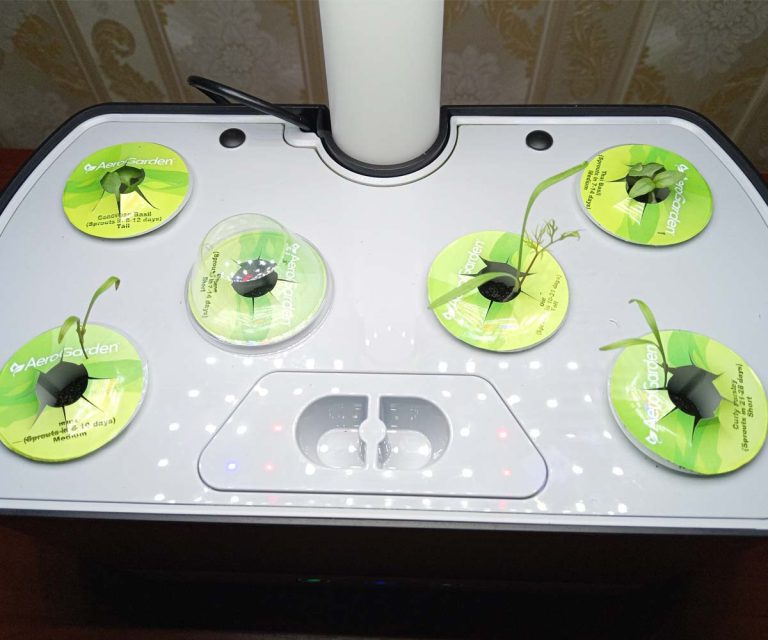
Nutrient management can feel overwhelming. Initially, I followed the generic instructions on pre-packaged systems like the AeroGarden, which advised adding a fixed amount of fertilizer every two weeks. This blanket approach failed to account for changing plant demands, leading to imbalanced nutrition.
I also ignored electrical conductivity (EC). Without measuring EC, my nutrient solution was constantly either over-concentrated (causing nutrient burn) or under-concentrated (causing starvation).
Symptoms:
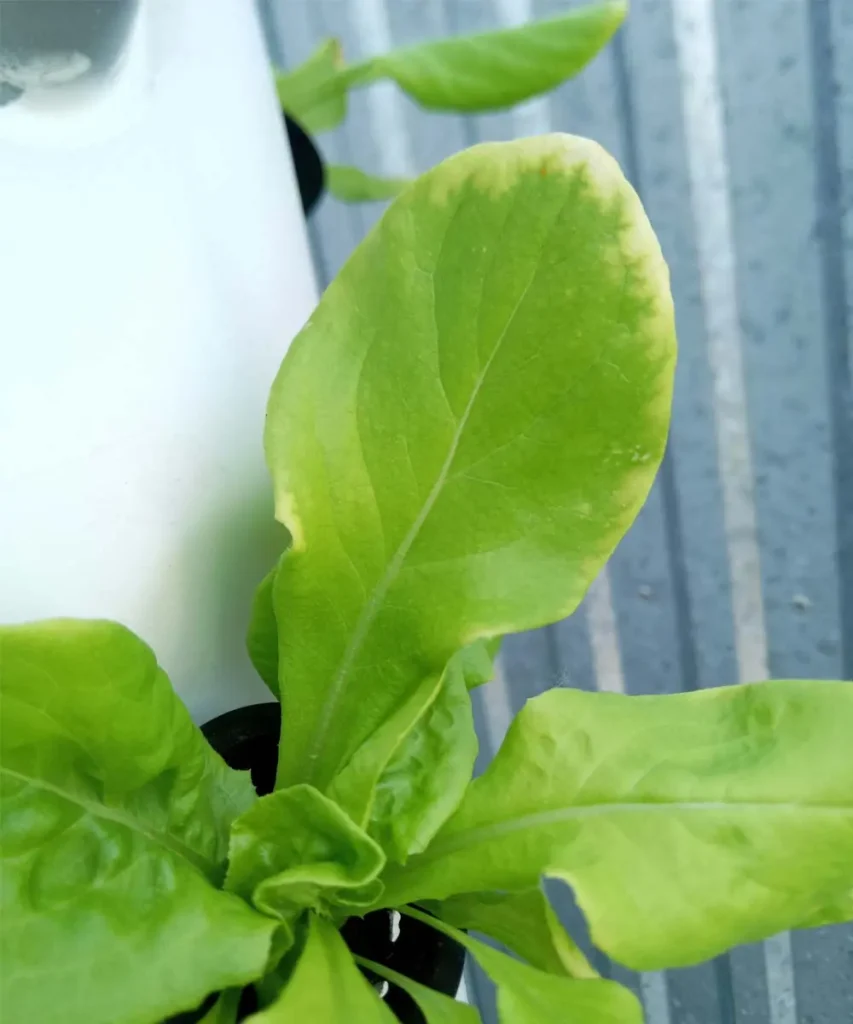
Over-concentration (EC 2.4 mS/cm): High salt concentration locked out nutrient uptake in lettuce. Leaf tips burned and turned yellow, and algae bloomed on the growing medium.
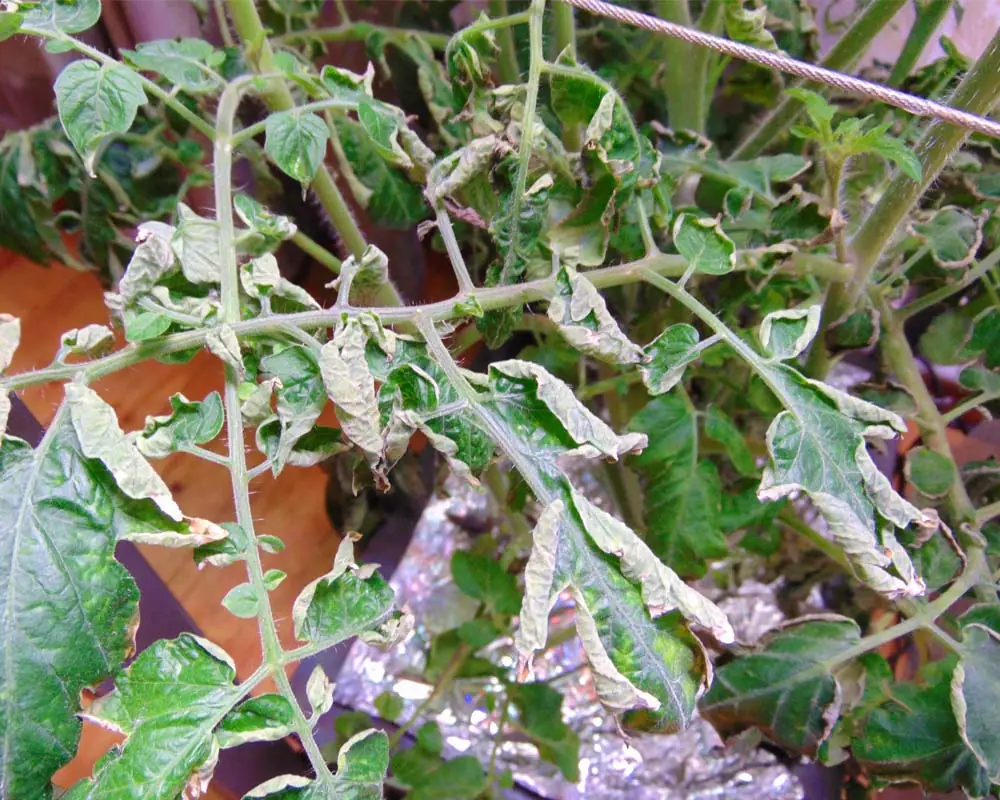
Under-concentration (EC 1.0 mS/cm): During fruiting, a tomato plant ran out of nutrients, causing leaves to curl and yellow.
How I solved it:
- Invested in an EC meter (Aqua Master E60 Pro) to test nutrient concentration daily.
- Switched from all-in-one solutions to professional multi-part hydroponic fertilizers, such as General Hydroponics FloraSeries.
- Tailored EC levels to specific plant types and growth stages rather than relying on a rigid schedule , which allows me to maximize my yield.
5. Lack of Proper Water Aeration
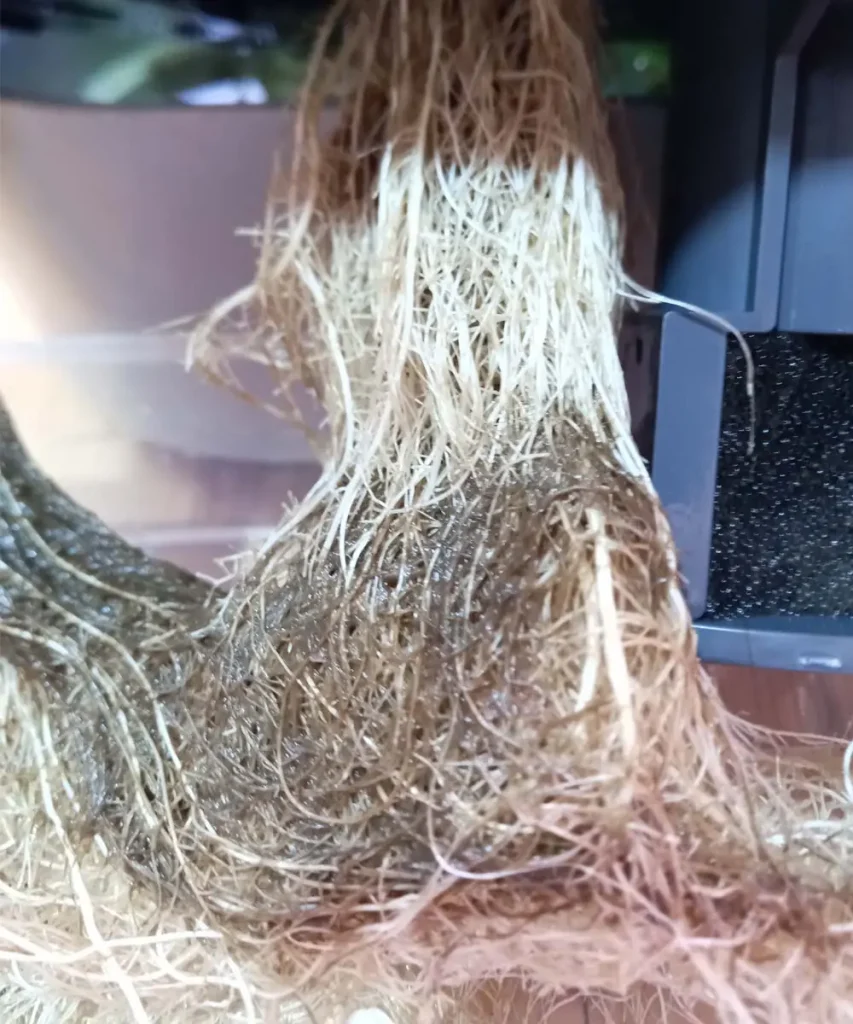
Hydroponic systems that rely solely on small water pumps (or static solutions like the Kratky method) carry a high risk of root rot. Stagnant water creates an ideal environment for pathogens that cause root disease, especially in long-season crops like tomatoes, peppers, and cucumbers. Recirculating systems like NFT or aeroponic towers don’t suffer from this issue as severely.
Symptoms:
My basil leaves turned pale and yellow with brown, wilted tips. Inspecting the reservoir revealed brown, mushy roots with a distinct foul smell and very few healthy white root strands remaining.
How I solved it:
- Cleaned and trimmed rotten roots, then disinfected the reservoir and root zone.
- Installed an air pump with air stones running on a timer to deliver consistent oxygen to the root zone.
- Inoculated the reservoir with beneficial microbes (HydroGuard) to suppress root pathogens.
6. Poor Air Circulation
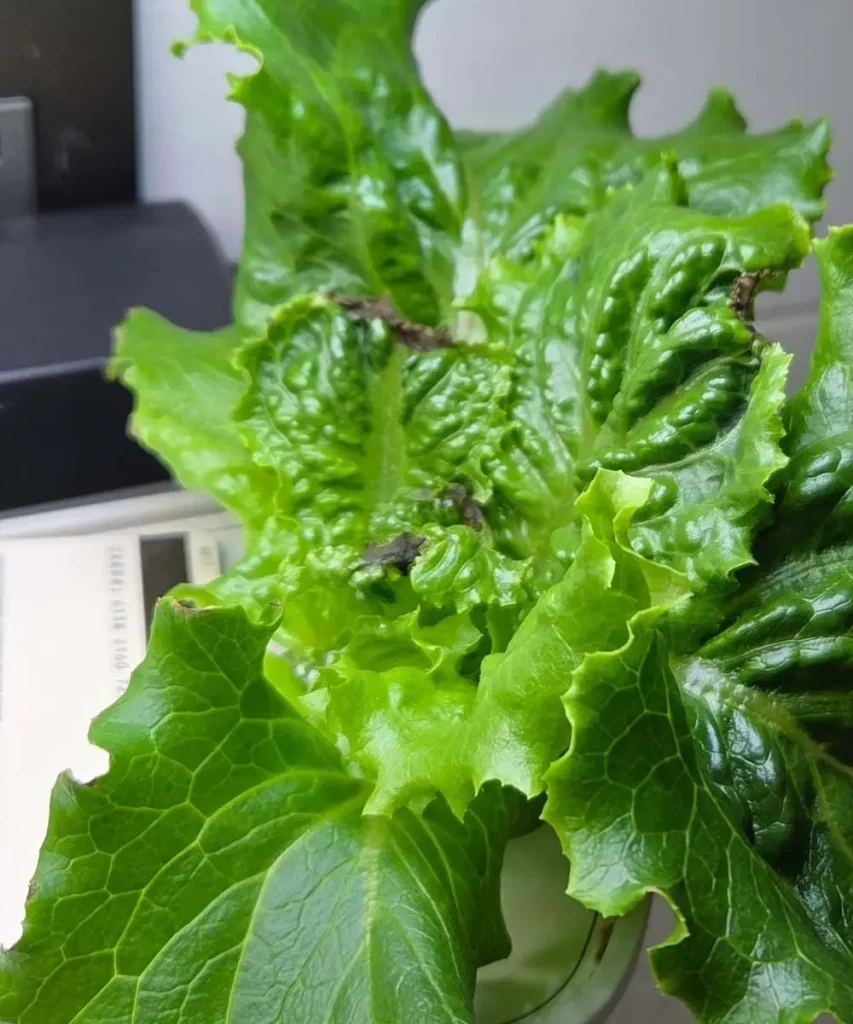
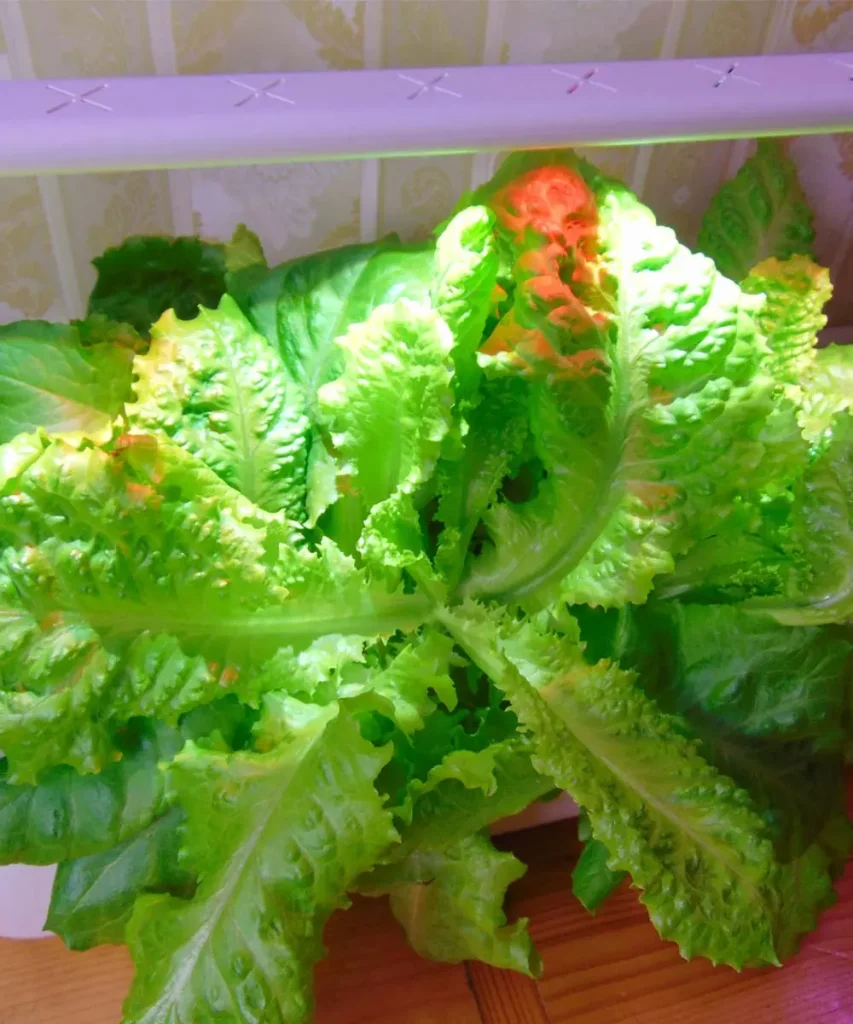
While growing lettuce in an AeroGarden Bounty, the inner leaves began turning black at the edges despite a normal EC reading of 1.0 mS/cm and no signs of pests.
The culprit was tip burn—a localized calcium deficiency caused by stagnant indoor air. Without active airflow, transpiration slows down, preventing calcium (an immobile nutrient) from reaching rapidly expanding new growth.
Symptoms:
Inner, younger leaves blackened and curled inward at the margins while overall head growth slowed.
How I solved it:
- Positioned an oscillating fan nearby, running for brief intervals several times per hour to stimulate transpiration.
- Increased ventilation in the growing area.
- Supplemented with Cal-Mag (4 mL) to ensure adequate calcium levels in the water.
7. Choosing the Wrong Tank Size
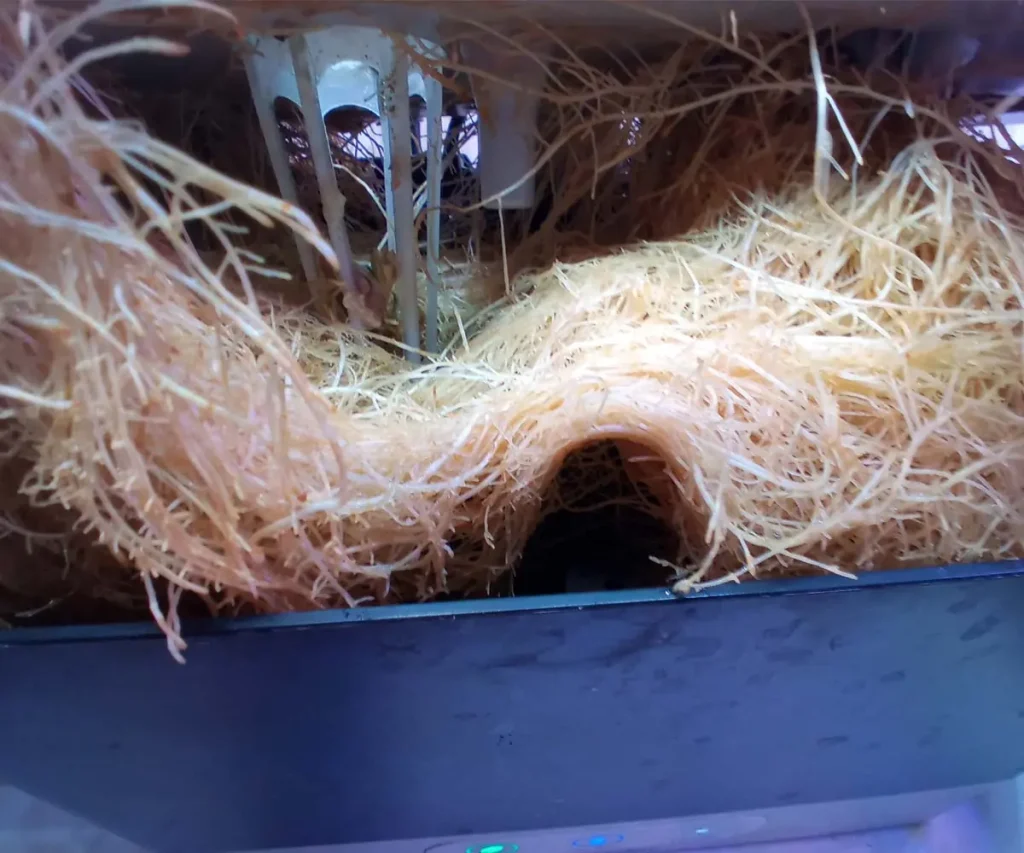
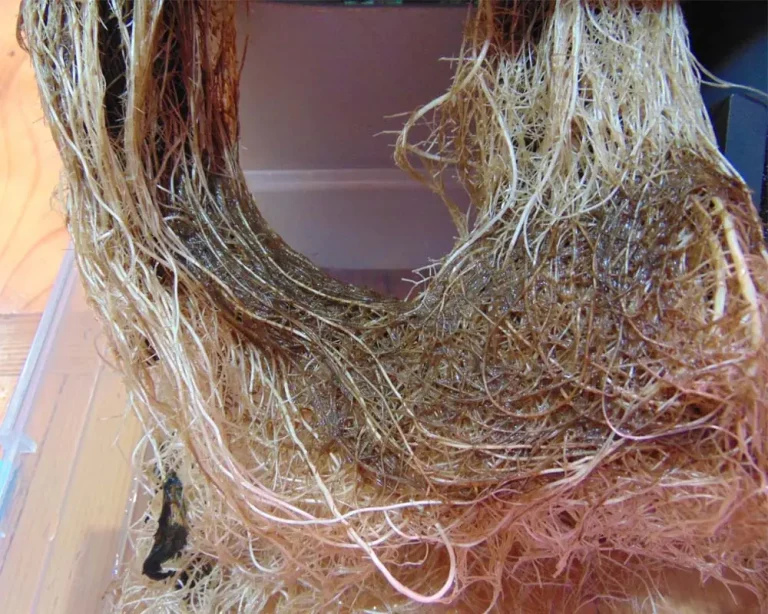
Early on, I didn’t fully appreciate how much reservoir volume impacts plant health. I tried growing parsley in a small desktop unit like the AeroGarden Harvest, planting seeds in four pods at once. As the parsley grew, the plants shaded each other, and when I finally opened the tank, I found a dense mass of roots that had completely taken over and clogged the pump.
Symptoms:
The water level plummeted rapidly—I had to refill the tank every 1–2 days, and if I missed a day, the parsley wilted. Inside the reservoir, the root mass occupied almost all the available space.
How I solved it:
I started matching plant species to the appropriate container size. For large, thirsty crops like tomatoes and cucumbers, I switched to reservoirs with at least 5 gallons of capacity per plant.
For my desktop systems (1–2 gallons), I restricted myself to small herbs and greens, planting no more than 2 pods in my AeroGarden Harvest to leave plenty of room for root growth.
8. Starting with Difficult Crops
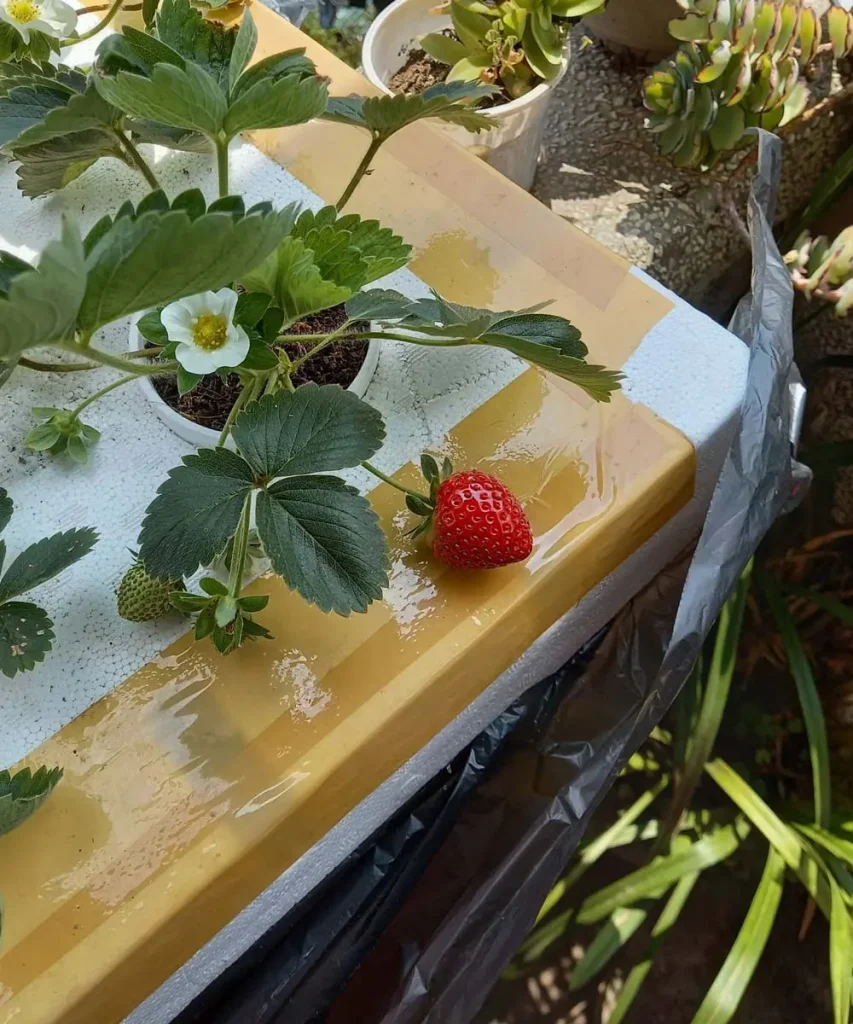
When I first started out, I was impatient and jumped straight into challenging, long-cycle crops like strawberries, tomatoes, and peppers. Because I hadn’t mastered the basics yet, I failed miserably—these heavy feeders require precise nutrient balancing, ideal environmental conditions, and months of patience.
Symptoms:
My peppers repeatedly dropped their blossoms without setting fruit, and my tomatoes developed rot or dropped their fruit buds before anything could ripen.
How I solved it:
I took a step back and shifted my focus to quick-turnaround, forgiving greens like lettuce, spinach, dill, and parsley. Mastering pH and EC management on these easier crops built the foundational skills and confidence I needed to eventually succeed with more complex fruiting plants.
Which mistake cost me the most money?
|
Mistake |
Money Lost |
Time Lost |
|---|---|---|
|
Bad nutrients |
$18 |
2.5 month |
|
Cheap pH meter |
$13 |
2 month |
|
Wrong lights |
$9 |
4 month |
|
Difficult Crops |
$7 |
3 month |