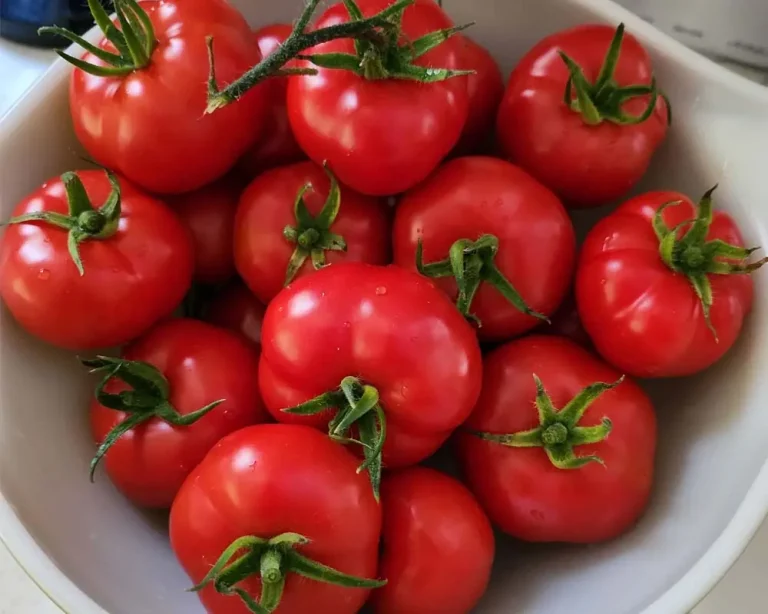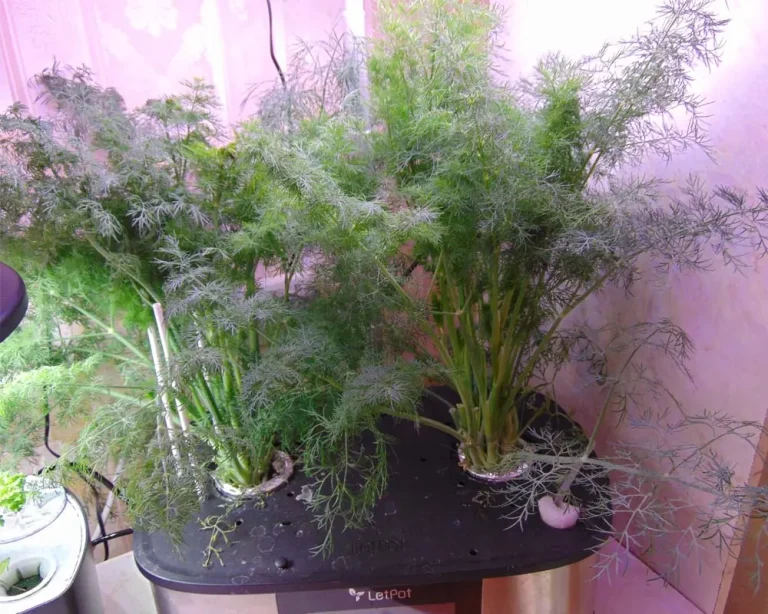

I’ve always been fascinated by the idea of growing food at home to reduce my reliance on the grocery store. Today, I’m sharing my experience cultivating Orange Sun bell peppers using a completely passive hydroponic setup.
The Setup: Equipment & Costs
The Reservoir
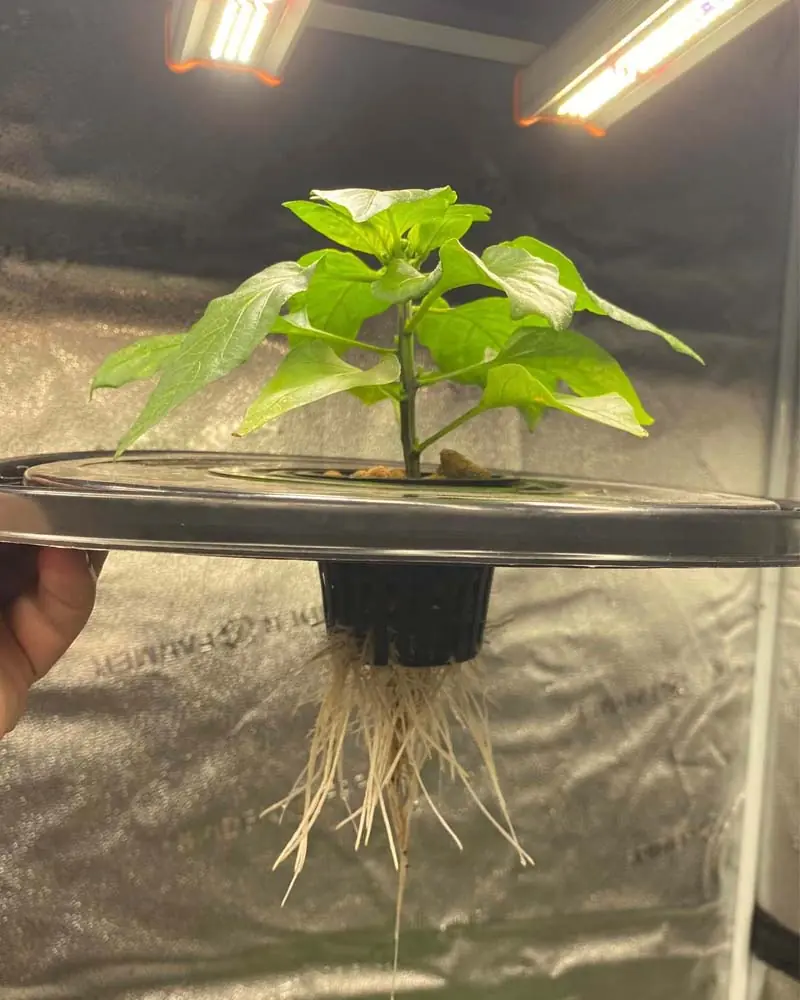
To keep things simple, I chose the Kratky method. I used a 3-gallon black plastic bucket manufactured by Letica. These are ideal because the black plastic naturally blocks light, preventing algae growth. I cut a hole in the lid to secure the net pot.
Cost: $12.00 (Bucket + Lid)
Net Pots and Media
I used a 3-inch hydroponic net pot, which provided ample room for the root mass. For the substrate, I used a combination of rockwool and LECA (lightweight expanded clay aggregate). In my experience, this is the most reliable combo for stabilizing plants in a passive system.
Cost: $1.00 (Pot + Substrate)
Environment & Lighting
Since this was an indoor project, I used a Spider Farmer SE3000 LED grow light. It provides the full spectrum necessary for fruiting plants. To maximize light efficiency and control humidity, I housed everything in a Spider Farmer 5×5 grow tent.
- Light Cost: $240.00
- Tent Cost: $200.00
Total Initial Investment: $453.00
Note: These are one-time investments and supported multiple plants simultaneously.
Read also: Building Your Own DIY NFT Hydroponic Tower
The Growing Process
Starting Seeds
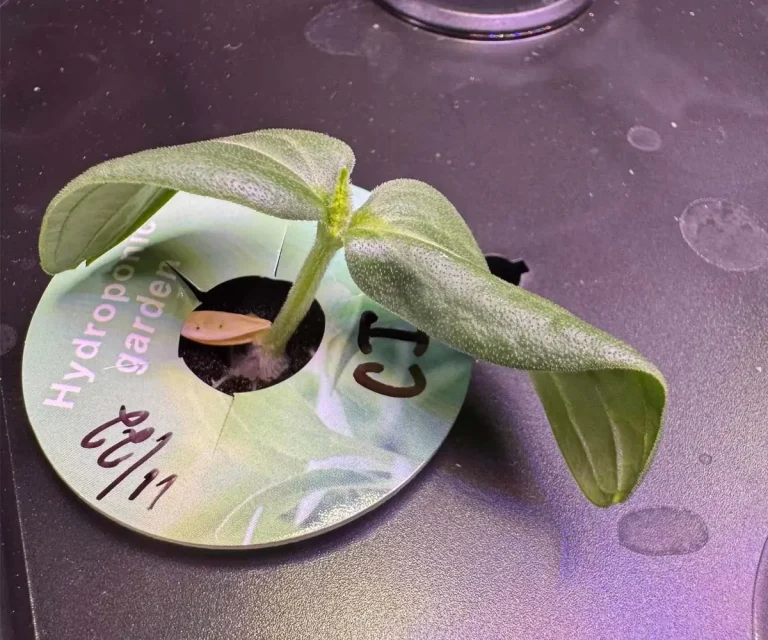
I sourced Orange Sun seeds online, choosing this variety for its vibrant color and thick, juicy walls. In late January, I sowed the seeds into 1.5-inch rockwool cubes previously soaked in pH-balanced water. To ensure success, I planted two seeds per cube. They were high-quality seeds—all sprouted within 10 days in a mini-greenhouse.
Transplanting to the Kratky System
Twenty-five days after germination, the seedlings were 4 inches tall with over ten true leaves. It was time to move them to their permanent home.
I positioned the rockwool in the net pot so the base of the stem sat about 2 inches above the water line, filling the rest of the pot with LECA. This “air gap” is vital in a Kratky system to allow the roots to breathe.
Nutrient Management
I used standard tap water and adjusted the pH to 5.9 using a digital meter and pH Down. For nutrition, I relied on the General Hydroponics Flora Series.
- Initial Mix: 3ml of each component per gallon (EC 1.2 mS/cm).
- Maintenance: I checked levels daily, gradually increasing the EC as the plant matured.
Read also: The Definitive Guide to pH Management in Hydroponics
Growth & Maintenance
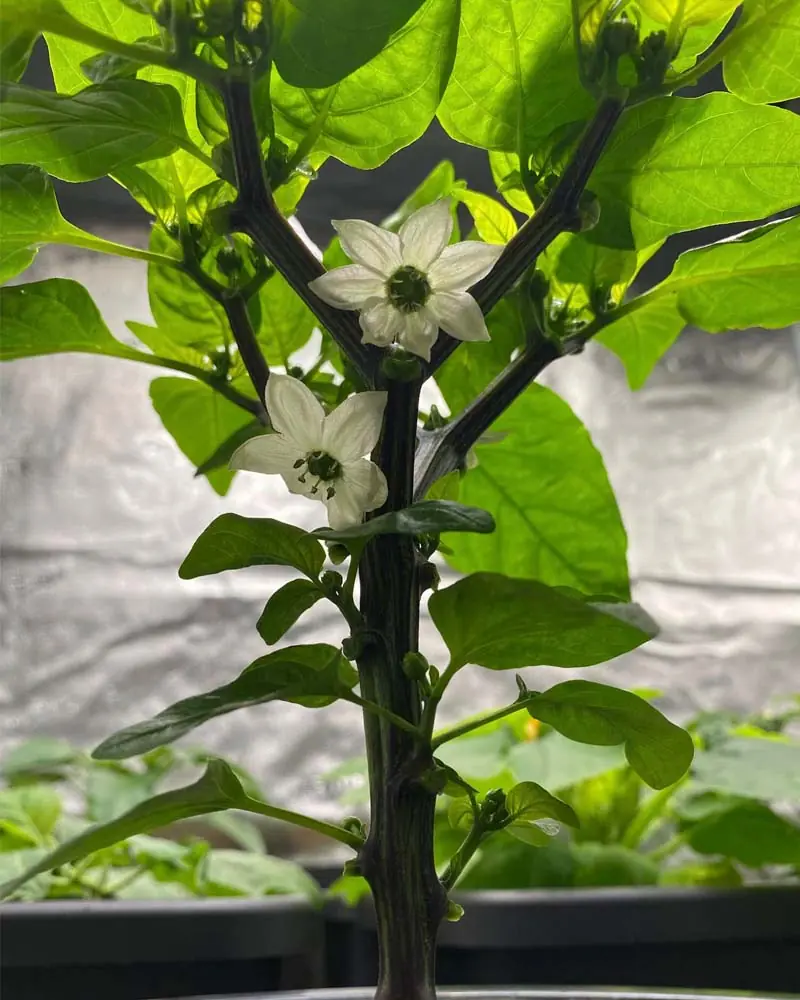
The plant took off just ten days after transplanting. By day 56, the first white flowers appeared, signaling a need for more energy. I increased the EC to 2.0 mS/cm.
Pruning for Yield
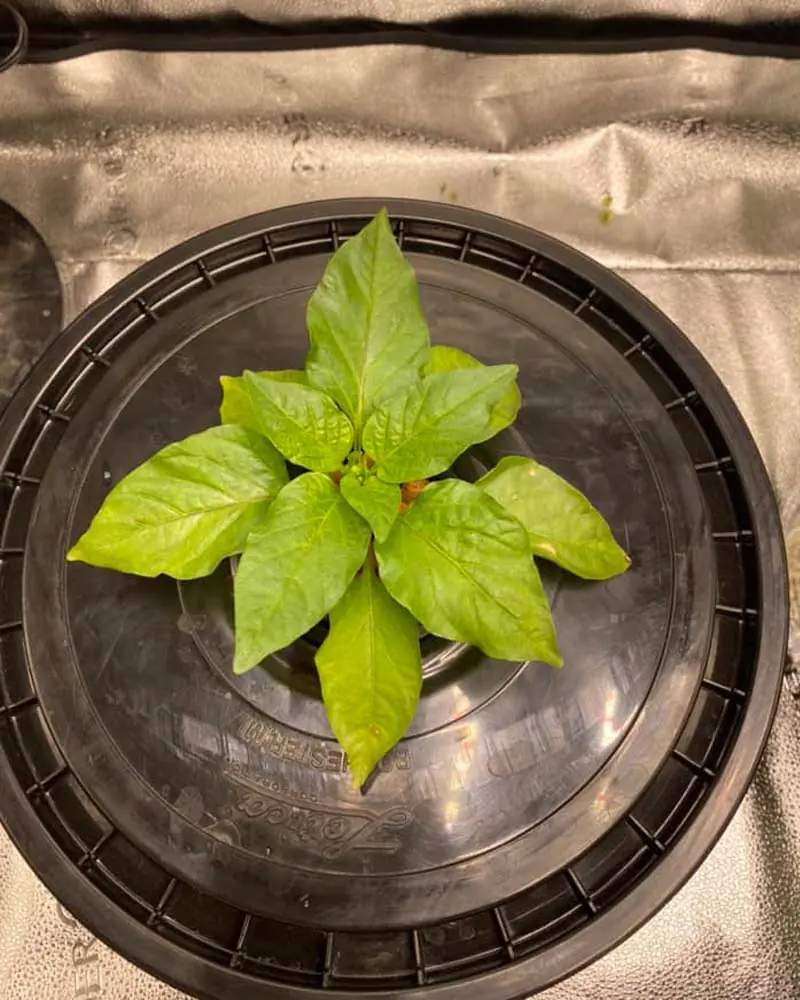
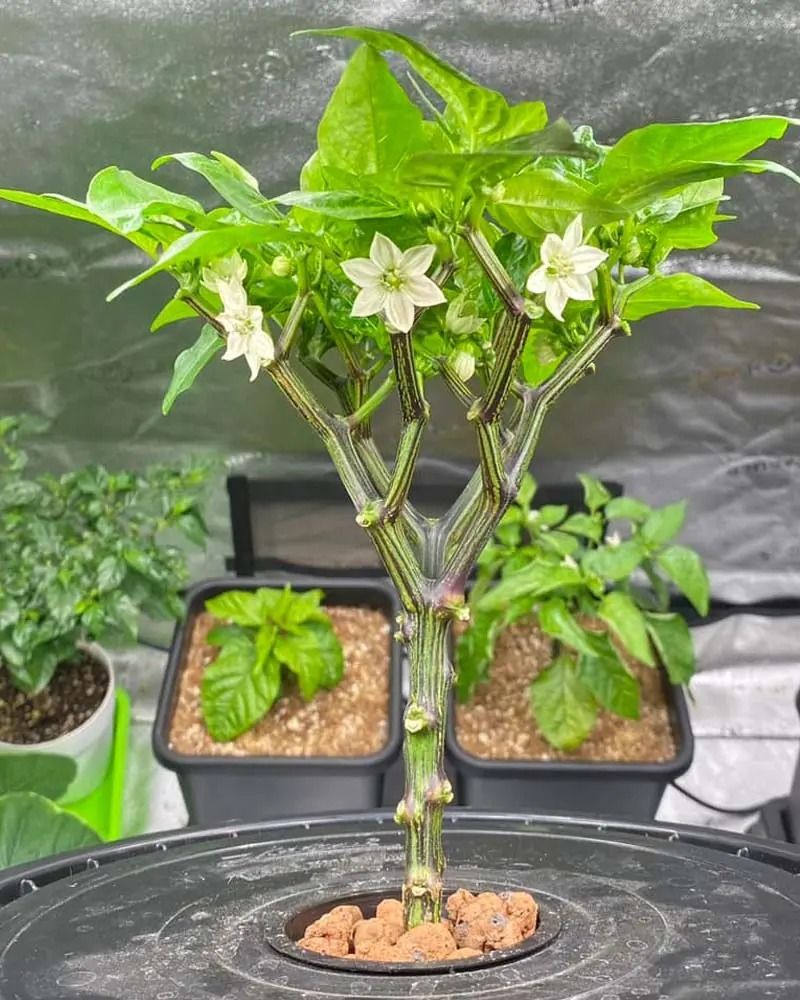
I performed significant pruning to optimize the harvest. I removed the lower “suckers” and thin twigs, redirecting energy away from useless foliage and toward fruit production. This created a low, wide canopy that stayed manageable within the tent while supporting heavy fruit.
Fruiting & Final Ripening
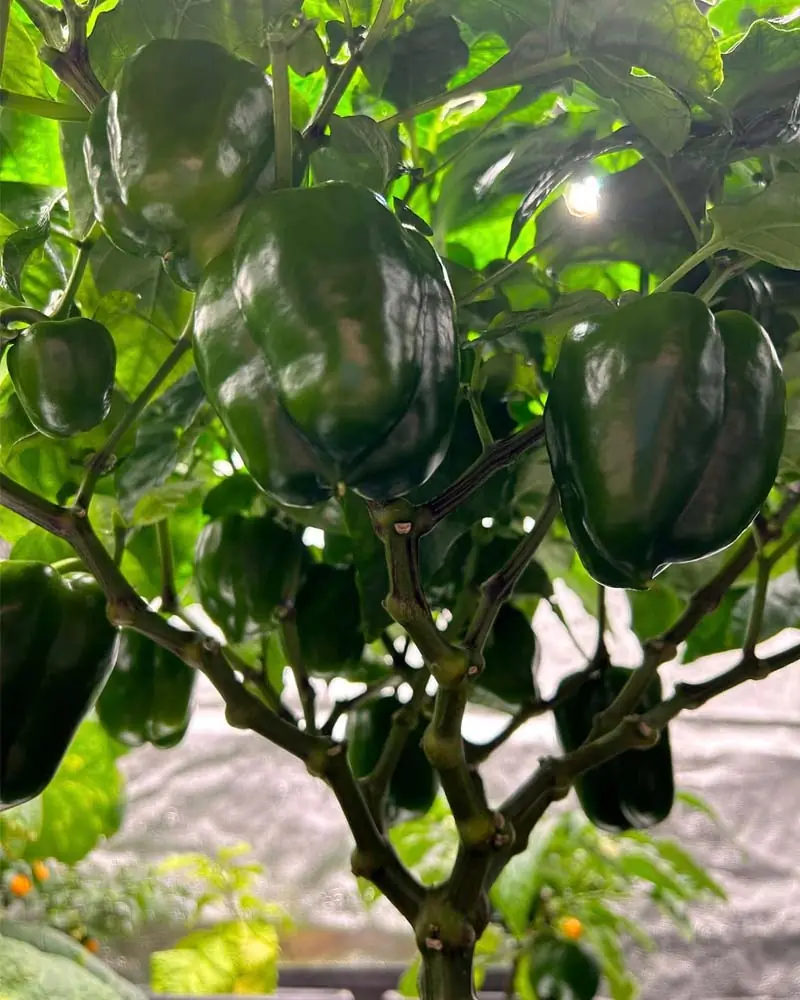
Once the fruits set, they grew rapidly. During the final ripening stage (month 4), I boosted the EC to 2.5 mS/cm to help the peppers reach their maximum size and sugar content.
Troubleshooting Common Issues
I noticed a few roots turning brown in the second month. I immediately added beneficial bacteria to the reservoir, which cleared the issue and kept the roots white and healthy for the remainder of the cycle. I never did a full water change; I simply topped off the solution as the level dropped.
Read also: Hydroponic Mistakes That Cost Me My Harvest
The Harvest
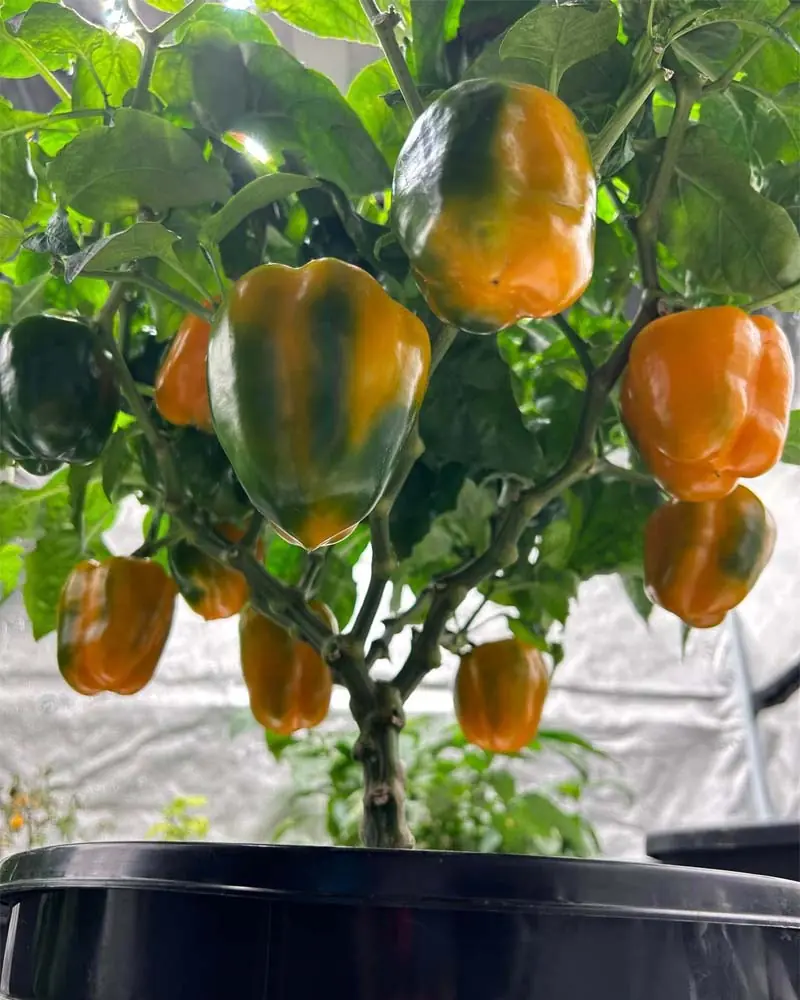
By the fifth month, the peppers transitioned to a brilliant orange. I harvested them in stages, picking 2–3 at a time.
- Total Count: 15 Peppers
- Average Weight: 5 oz (150g) per pepper
- Total Yield: 4.6 lbs (2.0kg)
Costs vs. Results
|
Item |
Quantity |
Cost |
|---|---|---|
|
Electricity |
240 kWh |
$40.08 |
|
Rockwool |
1 Piece |
$0.05 |
|
Nutrients |
320 ml |
$3.20 |
|
Water, pH Down, etc. |
$1.50 |
|
|
Total Cost |
$45.55 |
At $9.90 per pound, these peppers are certainly more expensive than budget store-bought options, but the quality, flavor, and peace of mind of growing at home are hard to beat.
What do you think—is $9.90/lb too steep for home-grown quality? Let me know in the comments, and feel free to ask any questions about my Kratky setup!
Share This Post