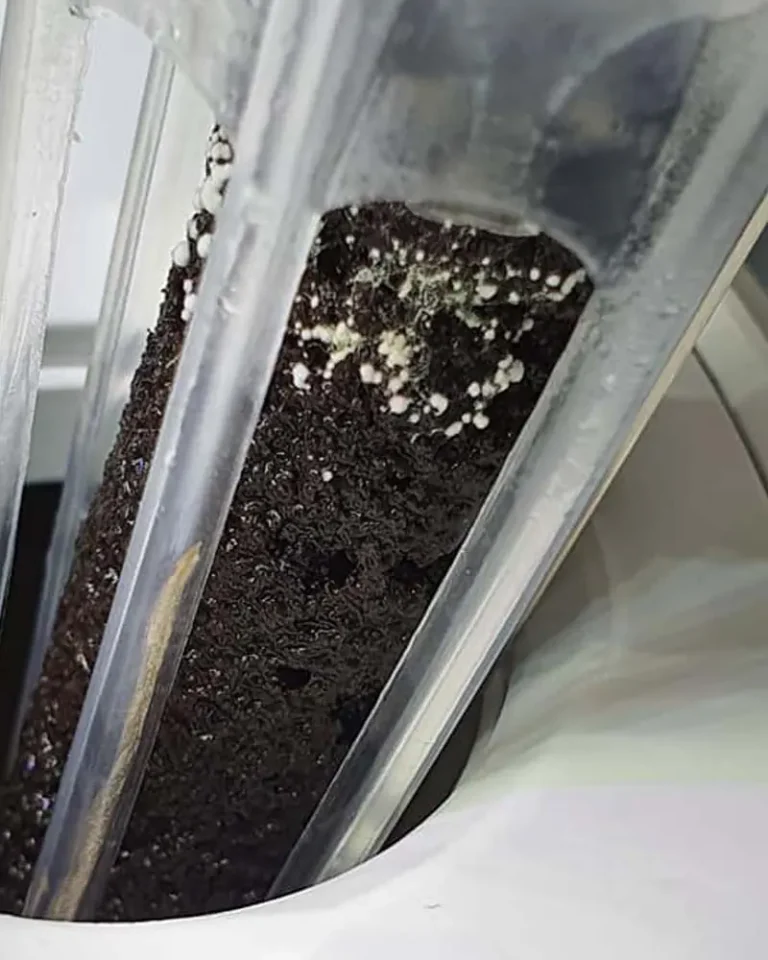
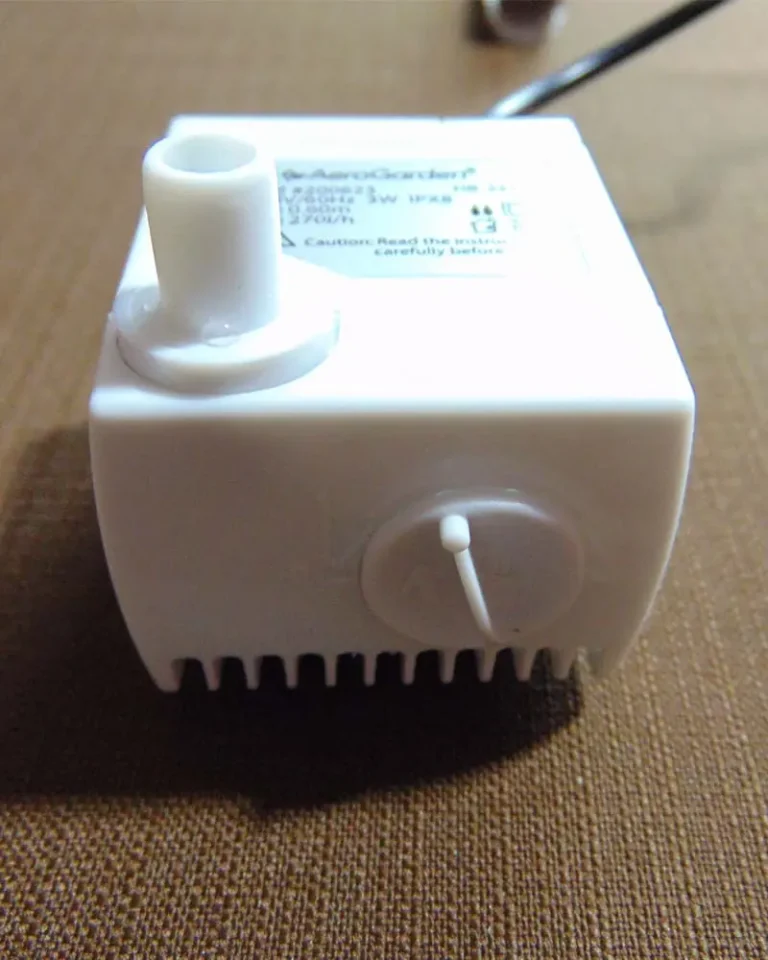
Imagine my surprise when I first saw wilted plants in a hydroponic system. The roots were submerged in water, yet the leaves drooped as if they were dying of thirst.
⚡QUICK ANSWER: The primary cause of leaf wilting in hydroponics is root rot. When roots are damaged, they become unable to transport water to the rest of the plant, causing the leaves to sag.
Root Health
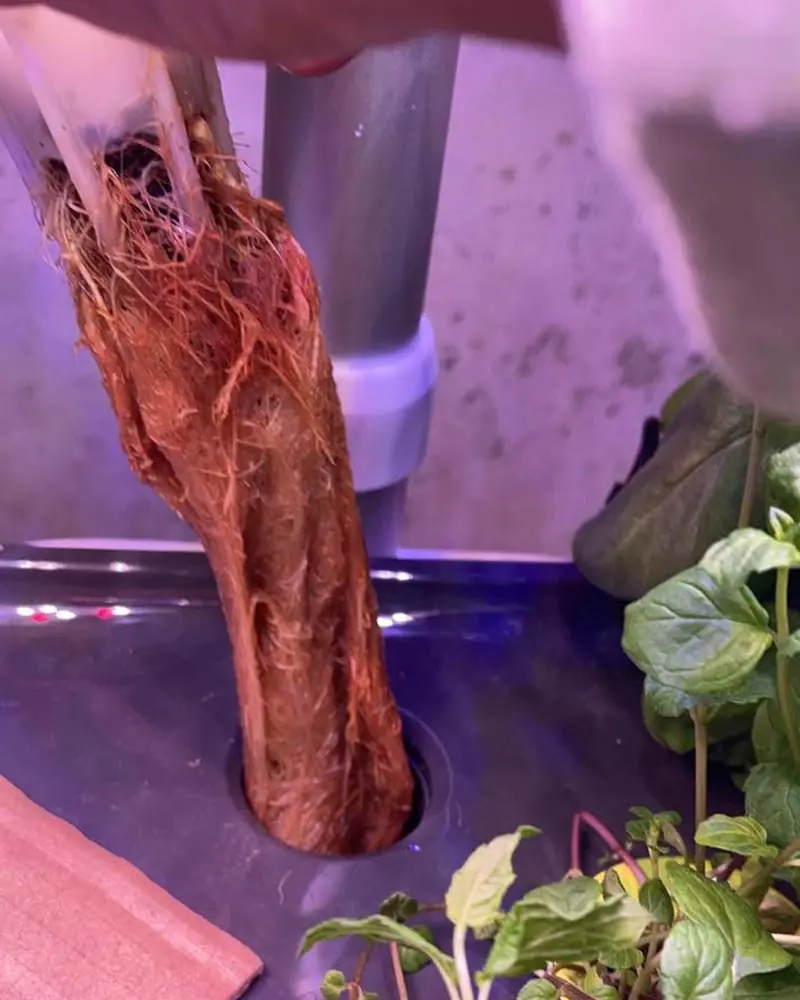
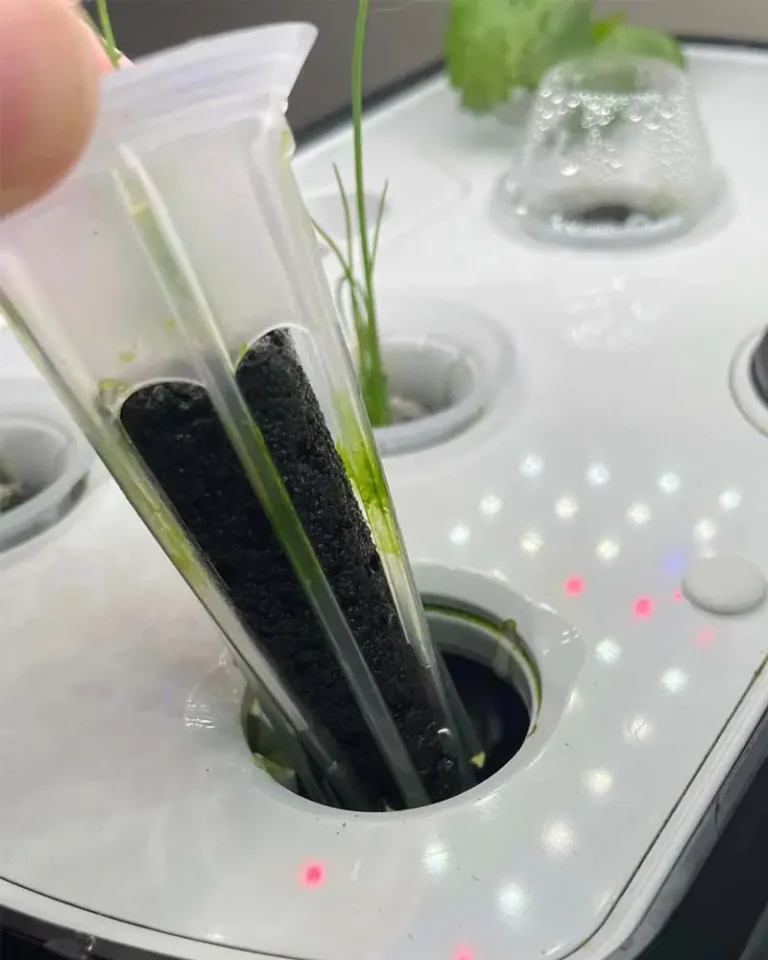
Root rot is the most common disease in hydroponic gardening. While the water and nutrient levels might seem perfect, high temperatures and low oxygen create an ideal breeding ground for pathogens. As a result, the roots decay, leaving the plant without a functional “plumbing” system.
How to fix it:
- Remove the affected plants and carefully trim away any slimy, brown, or foul-smelling roots.
- Rinse the remaining healthy roots under clean water and soak them in a 3% hydrogen peroxide solution for about 10 minutes.
- Thoroughly clean and disinfect your entire reservoir and tubing before replacing the nutrient solution.
Prevention: Ensure constant aeration using high-quality air stones and a reliable air pump. Change your water every two weeks, disinfecting the system during each refresh.
Read also: 6 Steps to Stop Root Rot in AeroGarden & iDOO
Water Change Shock
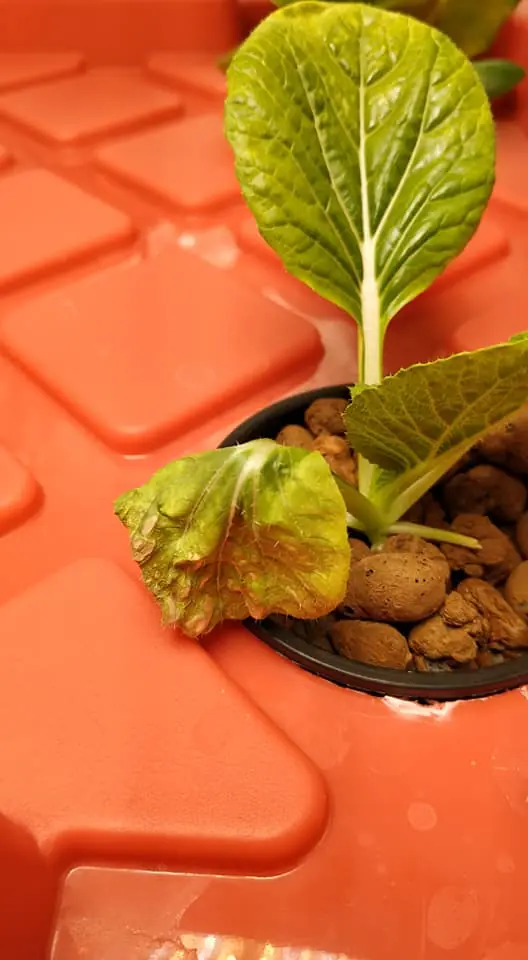
It is common to notice leaves drooping immediately after a reservoir refresh. This happens because plants become accustomed to specific water chemistry; a sudden shift in their environment causes “transplant shock.”
How to avoid this:
- Consistency is key: If you started with tap water, stick with tap water. Switching suddenly to distilled or RO (reverse osmosis) water can stress the plant.
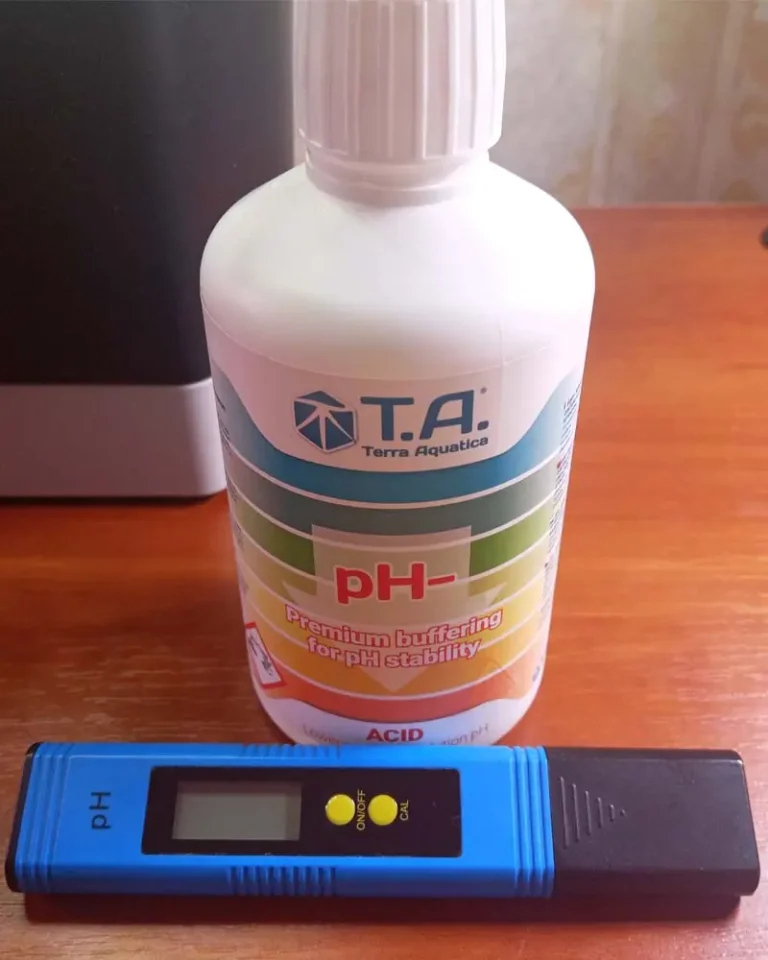
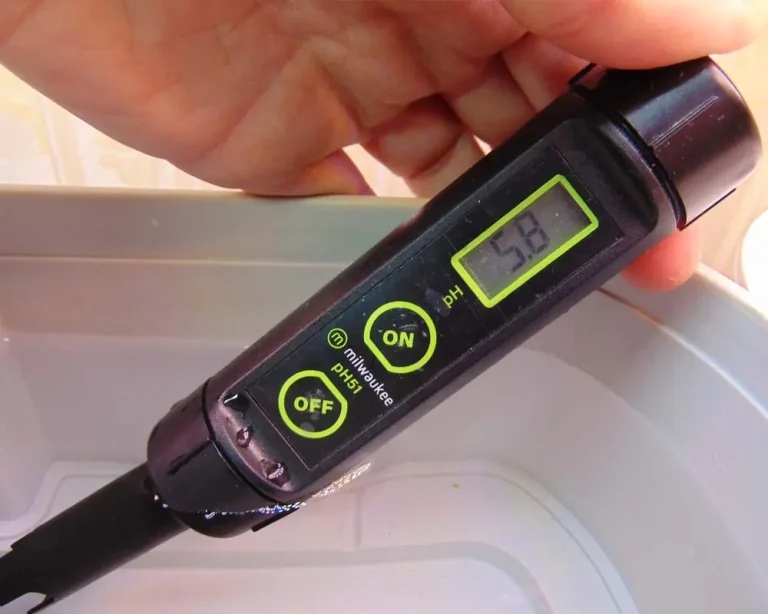
- Match the pH: Always adjust the new solution to the same pH level as the previous one.
- Maintain Fertilizers: Avoid switching nutrient brands mid-growth cycle unless absolutely necessary.
Thermal Stress
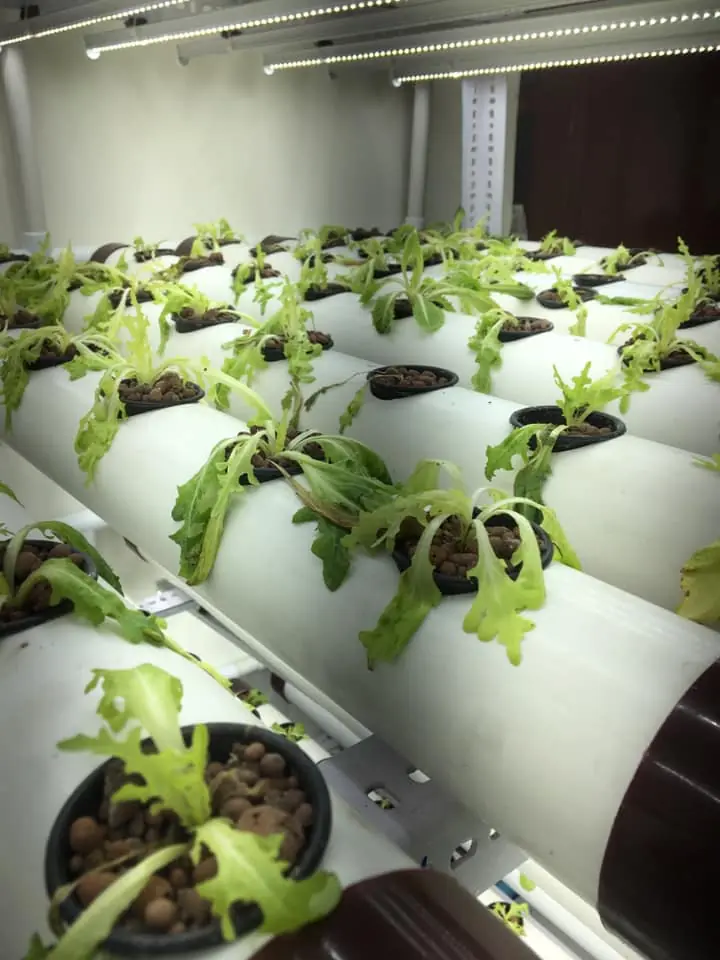
Hydroponic plants thrive when the nutrient solution is between 64–73°F (18–23°C). Any significant deviation can lead to wilting.
- Cold Shock: This often happens during water changes if the fresh tap water is significantly colder than the old reservoir water.
- Overheating: If your system is placed near a heater or in direct sunlight, the water temperature may rise. Warm water holds less dissolved oxygen, which leads to both wilting and root rot.
Minimizing Transplant Shock
Moving hydroponic plants is a major ordeal. Whether you are moving them between systems or transitioning them to soil, stress is inevitable.
To minimize the impact:
- Only transplant plants that have a well-developed root system.
- Ensure the environmental conditions (light, humidity) in the new location match the old one as closely as possible.
- Work fast: Never leave roots exposed to the air for long. Even a few minutes of dryness can cause permanent damage.
Why Backup Power Matters
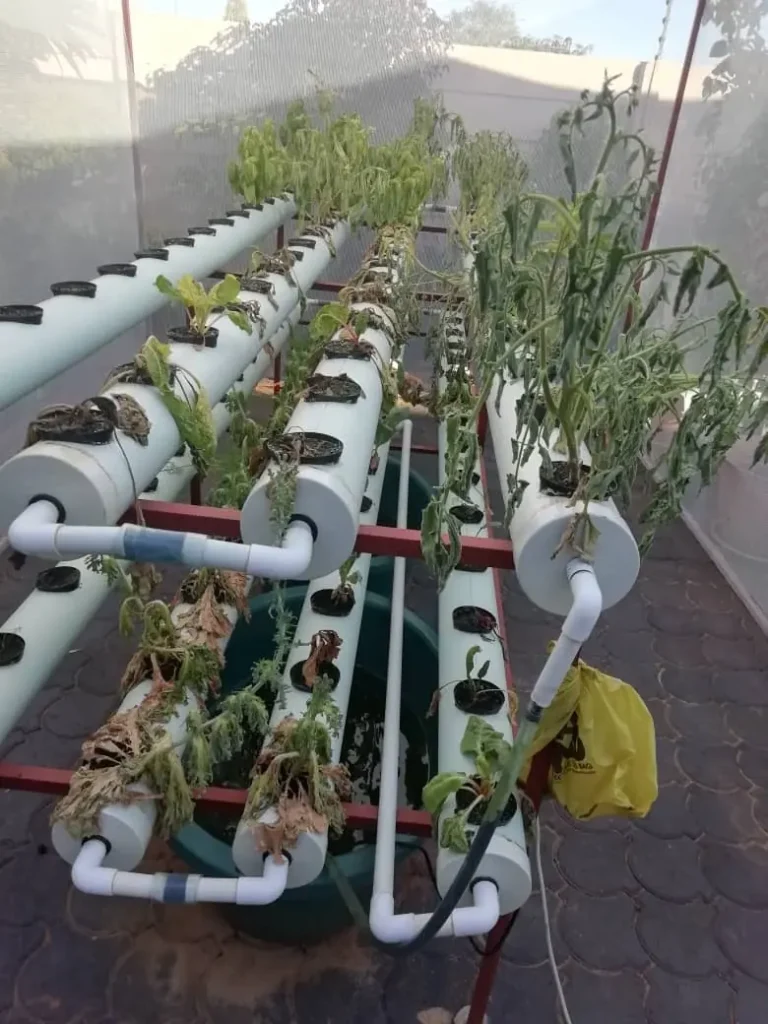
The biggest vulnerability of hydroponics is its reliance on electricity. This is especially true for NFT (Nutrient Film Technique) and vertical towers. DWC (Deep Water Culture) systems offer a bit more “buffer” time, while the Kratky method is the most self-sufficient.
Even a brief outage can cause wilting. If the water flow or aeration isn’t restored within a few hours, the harvest may be lost.
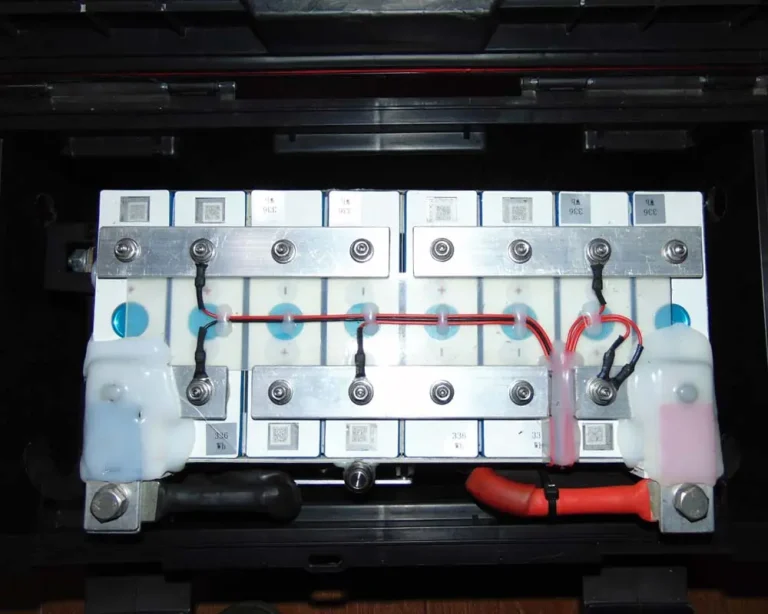
Personal Tip: I solved this by installing a backup power system using a LiFePO4 battery. For those seeking total independence, solar panels are the ultimate way to protect your garden from grid instability.
Read also: Building a Resilient Indoor Hydroponic Garden with LiFePO4 Backup
Keeping pH & EC in Check
Your plants’ health depends entirely on the chemistry of the solution.
- pH Imbalance: If the pH is too high (alkaline), plants cannot absorb essential micronutrients like iron. This leads to stunted growth and yellowing/wilting.
- Nutrient Burn: Adding too much fertilizer increases the Electrical Conductivity (EC). High salt levels can “burn” the roots, preventing them from absorbing water properly.
The Golden Rule: Keep your pH between 5.5 and 6.5 and your EC between 1.0–2.5 mS/cm (depending on the crop).
Read also: Water Management In Small Indoor Hydroponics
Share This Post