
Over the years, I’ve realized that by following a few fundamental rules, you can achieve exceptional harvests with hydroponics. It’s not as complicated as it seems, and you can easily set up a high-performing system yourself.
⚡QUICK ANSWER: To maximize yields, provide your plants with intense light (especially indoors), maintain a pH between 5.5 and 6.5, use premium nutrients from reputable brands, and ensure consistent water aeration.
Lighting Is The Engine of Growth
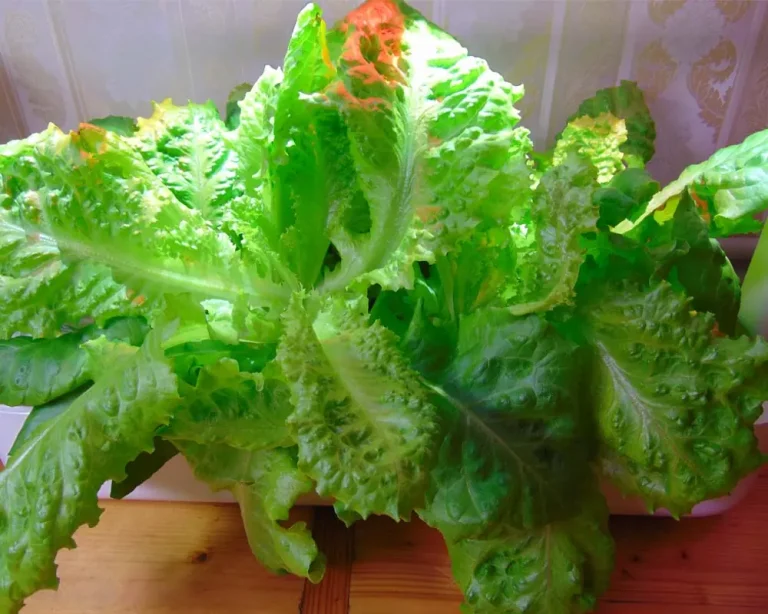
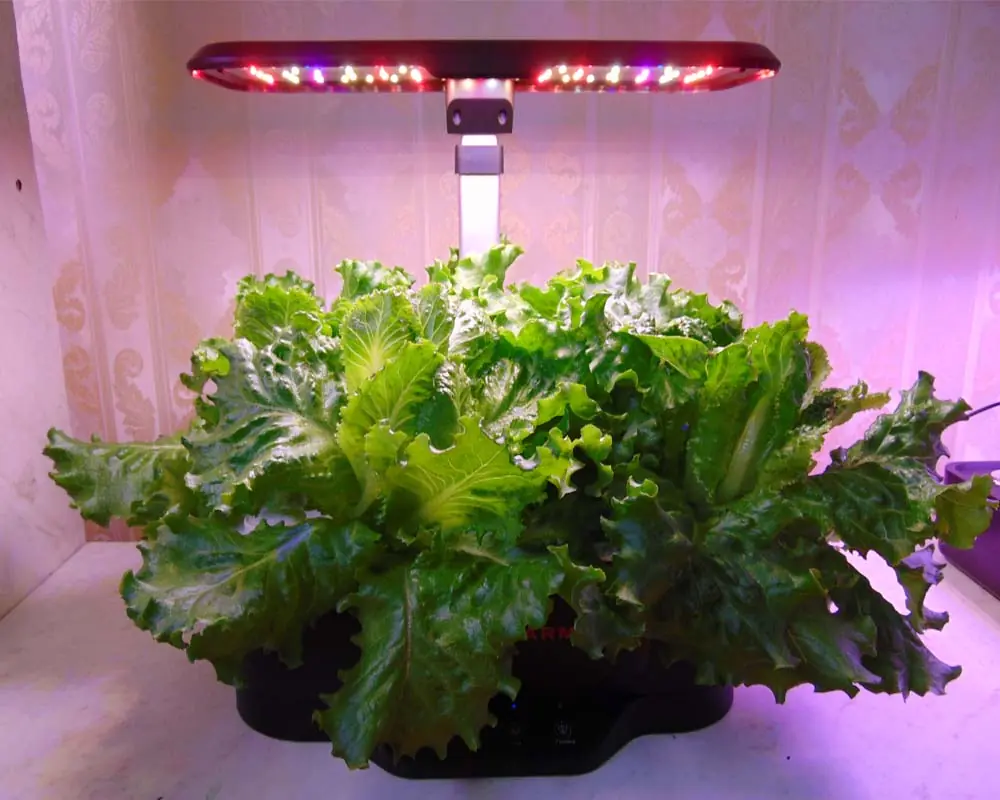
Light is the primary driver of plant success. If your hydroponic setup is outdoors, position it to receive maximum sunlight—this is vital for fruiting crops like tomatoes. Leafy greens, such as lettuce, are more forgiving and can thrive with a few hours of light shade.
For indoor setups, light intensity is key. Aim for high-quality LED grow lights. While wattage varies by efficiency, a general rule for high-output crops is roughly 30–40 actual watts of LED power per square foot. Ensure your lights provide a “full spectrum,” including crucial blue and red wavelengths, to support healthy vegetative growth and flowering.
Read also: 5 Steps to Diagnose and Fix Yellowing Hydroponic Leaves
Water Quality
While you can use various water sources, tap water usually requires preparation. I use regular tap water with great results, provided the chemistry is balanced.
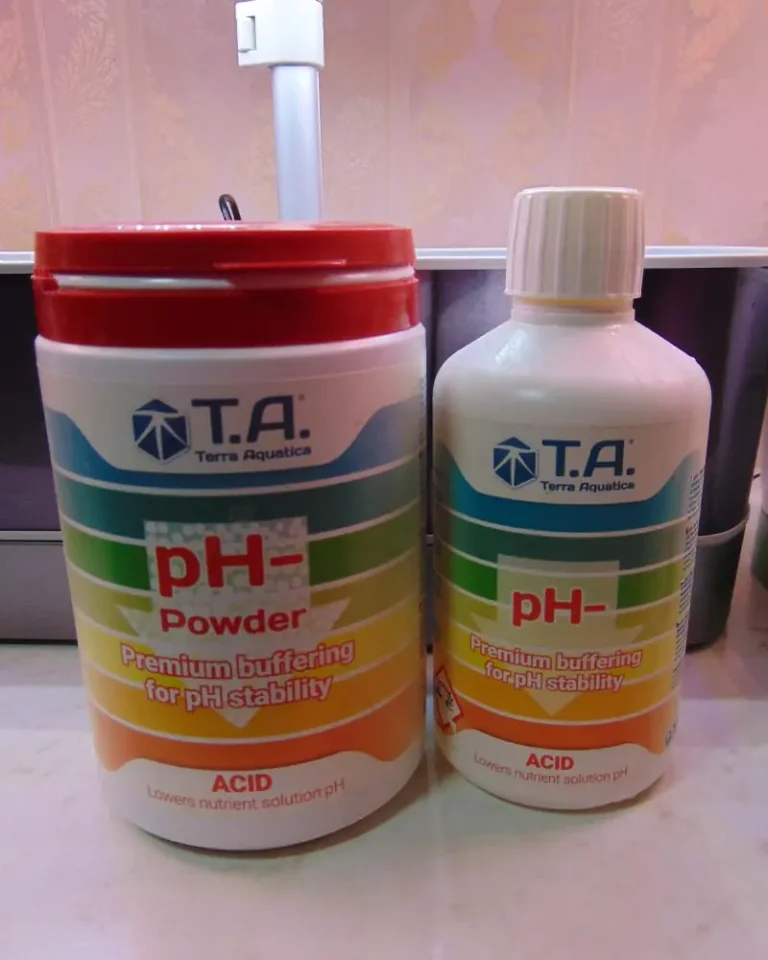
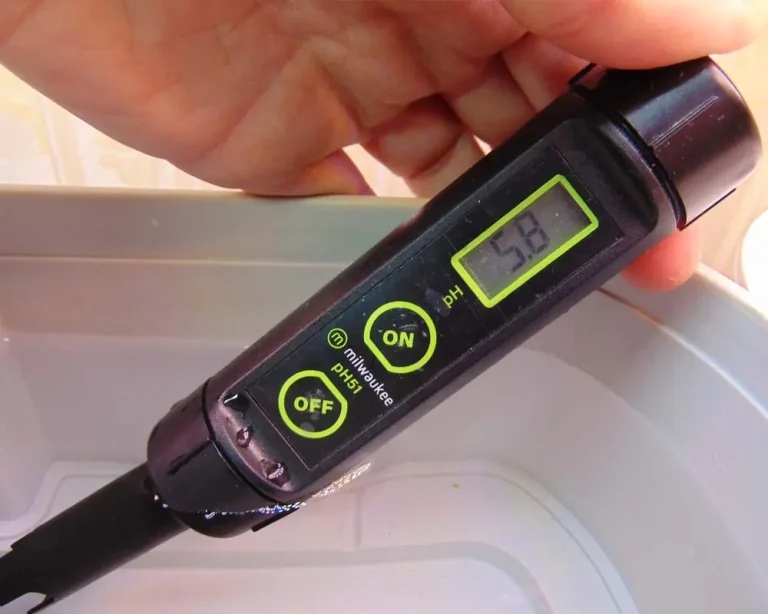
pH Balance: The ideal range for most hydroponic plants is 5.5–6.5. If the pH drifts outside this window, plants suffer from “nutrient lockout”—they physically cannot absorb the minerals, regardless of how much fertilizer you add.
Electrical Conductivity (EC): EC measures the concentration of nutrients in your water. For most established plants, it is important that the EC value reaches at least 1.0 mS/cm. You can increase this value by adding more nutrient solution to the reservoir.
Read also: Water Management In Small Indoor Hydroponics
| Plant | Optimal pH | Optimal EC mS/cm |
|---|---|---|
| Artichoke | 6.5-7.5 | 0.8-1.8 |
| Arugula | 6.0-7.5 | 0.8-1.2 |
| Asparagus | 6.0-6.8 | 1.4-1.8 |
| Basil | 5.5-6.5 | 1.0-1.6 |
| Bean (Common) | 6.0 | 2.0-4.0 |
| Beetroot | 6.0-6.5 | 0.8-3.0 |
| Bok Choi | 6.0-7.0 | 1.5-2.5 |
| Broad Bean | 6.0-6.5 | 1.8-2.2 |
| Broccoli | 6.0-6.5 | 2.8-3.5 |
| Brussels Sprouts | 6.5-7.5 | 2.5-3.0 |
| Cabbage | 6.5-7.0 | 2.5-3.0 |
| Capsicum | 6.0-6.5 | 1.8-2.2 |
| Carrots | 6.3 | 1.6-2.0 |
| Cauliflower | 6.0-7.0 | 0.5-2.0 |
| Celery | 6.5 | 1.8-2.4 |
| Cucumber | 5.5-6.0 | 1.7-2.5 |
| Eggplant | 5.5-6.5 | 2.5-3.5 |
| Endive | 5.5 | 2.0-2.4 |
| Fodder | 6.0 | 1.8-2.0 |
| Garlic | 6.0 | 1.4-1.8 |
| Kale | 5.5-6.5 | 1.2-1.5 |
| Leek | 6.5-7.0 | 1.4-1.8 |
| Lettuce | 5.5-6.5 | 0.8-1.2 |
| Marrow | 6.0 | 1.8-2.4 |
| Okra | 6.5 | 2.0-2.4 |
| Onions | 6.0-6.7 | 1.4-1.8 |
| Pak Choi | 7.0 | 1.5-2.0 |
| Parsnip | 6.0 | 1.4-1.8 |
| Pea | 6.0-7.0 | 0.8-1.8 |
| Pea (Sugar) | 6.0-7.0 | 0.8-1.8 |
| Pepino | 6.0-6.5 | 2.0-3.0 |
| Peppers | 5.8-6.3 | 2.0-3.0 |
| Peppers (Bell) | 6.0-6.5 | 2.0-3.0 |
| Peppers (Hot) | 5.0-6.5 | 3.0-3.5 |
| Potato | 5.0-6.0 | 2.0-2.5 |
| Pumpkin | 5.5-7.0 | 1.8-2.4 |
| Radish | 6.0-7.0 | 1.6-2.2 |
| Spinach | 6.0-7.0 | 1.8-2.3 |
| Silverbeet | 6.0-7.0 | 1.8-2.3 |
| Sweet Corn | 6.0 | 1.6-2.4 |
| Sweet Potato | 5.5-6.0 | 2.0-2.5 |
| Taro | 5.0-5.5 | 2.5-3.0 |
| Tomato | 5.5-6.3 | 1.5-3.0 |
| Turnip | 6.0-6.5 | 1.8-2.4 |
| Zucchini | 6.0 | 1.8-2.4 |
Optimize Your Nutrient Solution
Invest in premium liquid nutrients from reputable manufacturers. I’ve found that liquid two- or three-part fertilizers are superior to dry powders because they dissolve completely and prevent sediment buildup in pumps and air stones.
While DIY nutrient mixing is possible, it is technically demanding and time-consuming for small-scale setups.
Read also: The Definitive Guide to pH Management in Hydroponics
Provide Oxygen
Oxygenating your nutrient solution is a game-changer for two main reasons:
- Root Health: Active aeration prevents root rot (Pythium) by suppressing anaerobic bacteria. This is essential for DWC and Kratky systems.
- Accelerated Growth: Oxygen-rich roots absorb nutrients more efficiently, allowing for faster growth cycles and earlier harvests.
Use an air pump matched to your reservoir’s volume. For the best results, use high-quality air stones that produce fine, small bubbles, as these provide superior oxygen transfer.
Read also: Best Way to Cool Hydroponic Water
Use Vigorous Varieties
Genetics define your yield potential. A weak variety will grow slowly and produce fewer fruits, regardless of how much light or fertilizer you provide. Always choose “vigorous” cultivars and use fresh seeds (ideally less than a year old) to ensure high germination rates and strong seedling vigor.
| Plant Category | Top Variety | Days to Harvest (Hydro) | Key Advantage |
| Lettuce | Muir | 30–35 Days | Heat resistance & weight |
| Herbs | Genovese Basil | 28–40 Days | Rapid leaf regeneration |
| Cucumber | Beit Alpha | 50–55 Days | No pollination required |
| Tomato | Tiny Tim | 60 Days | Compact size, high output |
Climate Control & Airflow
Water Temperature: Maintain your reservoir between 64–73°F (18–23°C). Warmer water loses oxygen rapidly and invites root pathogens.
Air Circulation: Proper airflow is essential to remove the boundary layer of humidity around the leaves. If growing indoors, use an oscillating fan to blow a gentle breeze over the plants for several hours daily to prevent mold and strengthen stems
Read aslo: 6 Best Plants to Grow in AeroGarden Bounty
Share This Post