
Living in the city usually means trading garden space for convenience. However, after years of growing lettuce hydroponically in tight quarters, I’ve found a “cheat code” for urban gardening.
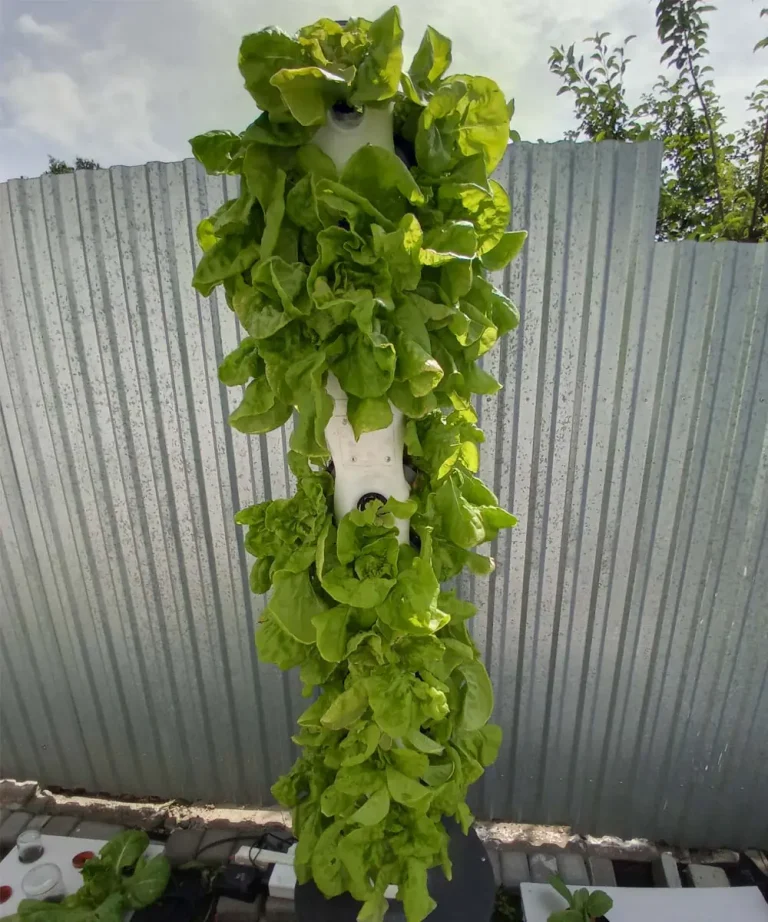
⚡QUICK ANSWER: The best hydroponic method for lettuce is the NFT (Nutrient Film Technique) tower. It delivers the highest yield per square foot and superior plant health compared to any other system.
| Feature | NFT Tower | DWC (Deep Water Culture) | Kratky Method |
| Yield (per 4 sq. ft.) | 45 Heads (Vertical) | 16 Heads (Horizontal) | 16 Heads (Horizontal) |
| Root Health | Excellent (Air-bathed) | Good (Aereated water) | Low/Fair (Risk of rot) |
| Growth Speed | Fastest | Fast | Moderate |
| Setup Complexity | High (Technical) | Moderate | Very Low |
| Initial Investment | High | Medium | Very Low |
| Monthly Power Cost | ~$5.40 | ~$1.30 | $0.00 |
| Maintenance Level | Low/Moderate | Moderate | Very Low |
| Best For… | Maximum lettuce yield in tiny spaces | Consistent hobbyist growth | Absolute beginners |
Unrivaled Efficiency
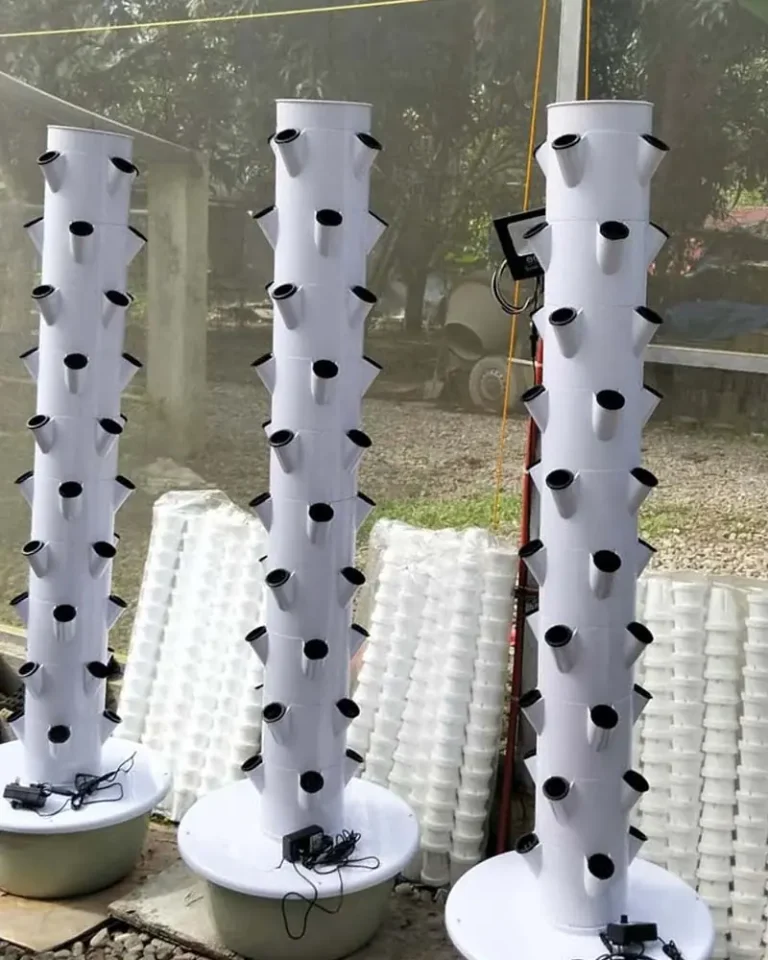
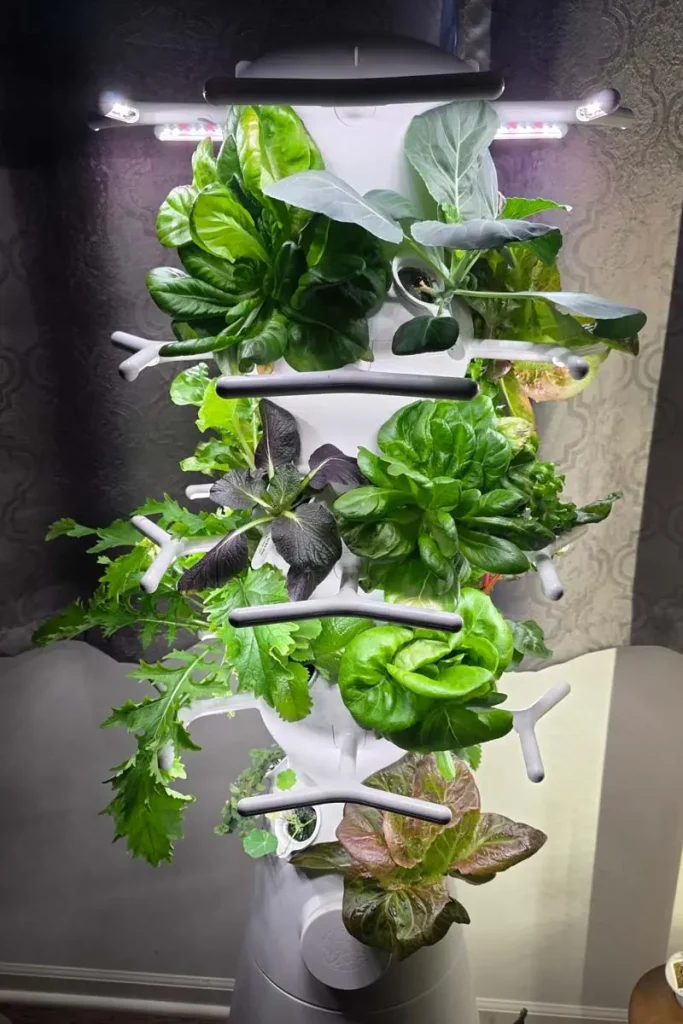
The primary reason the NFT tower wins is its verticality. In a standard setup, you are limited by floor space. In a tower, you utilize the “dead air” above your floor.
Let’s look at a 4-square-foot area:
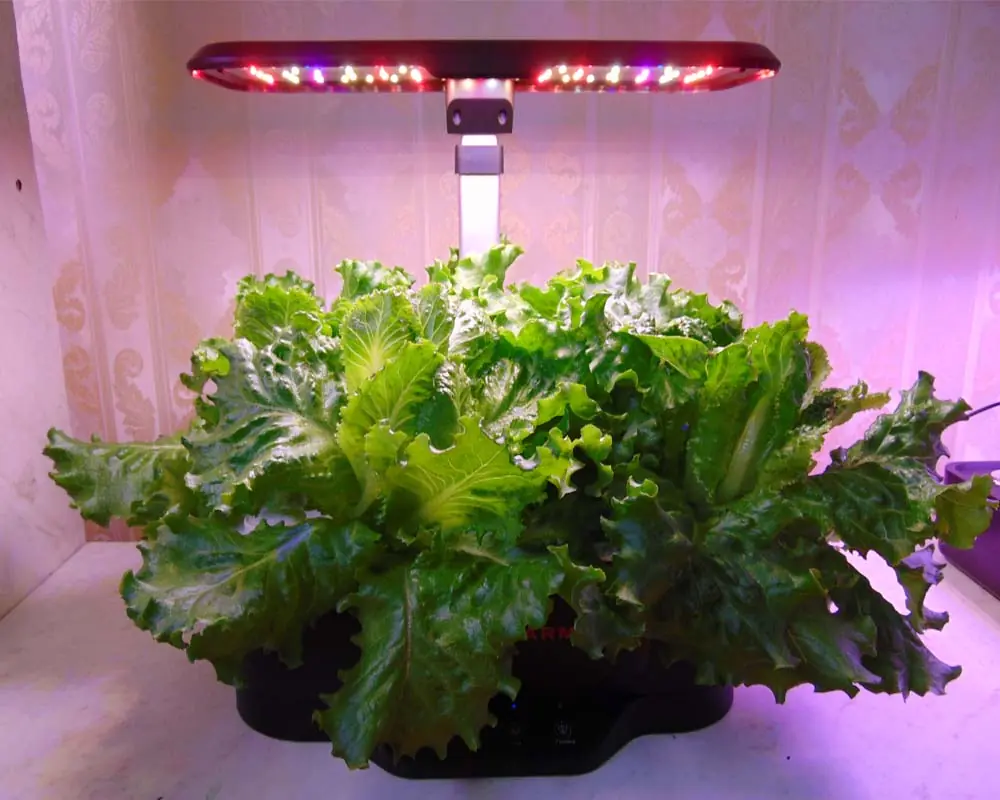
- In a traditional DWC (Deep Water Culture) or Kratky setup, you can grow about 16 heads of lettuce.
- A single 7-foot NFT tower in that same footprint can grow 45 heads.
That is nearly triple the efficiency. Whether you are growing in a small backyard or a spare corner indoors, NFT allows you to maximize light intake and yield by utilizing every inch of space up to the ceiling. While you could stack DWC systems on a rack, the cost and complexity of tiered plumbing quickly make the single NFT tower the more elegant solution.
Read also: 6 Proven Growth Tips to Maximize Hydroponic Yields
Superior Plant Health
In an NFT tower, lettuce roots aren’t just sitting in water—they are “bathed” in a moving film of nutrient solution while being exposed to constant fresh air. This environment is perfect for root development.
Oxygen is King: Because the roots have constant access to oxygen, the risk of root rot is virtually eliminated.
The Comparison: In a Kratky system, roots are submerged in stagnant water, making them highly susceptible to disease. DWC improves on this with an air pump, but it still doesn’t match the vigorous growth rates seen in an NFT tower’s highly oxygenated environment.
Read also: Why Your Desktop Hydroponic Lettuce is Stalling
The Entry Threshold
I’ll be honest: the NFT tower is more technologically advanced, which means it’s slightly more complex to set up.
The Components: You need a reservoir, vertical piping, and a water pump. Assembling these requires basic tools and a bit of DIY spirit.
The Cost: Ready-made towers can be pricey. However, even on a modest budget, a beginner can build one. While a Kratky setup is essentially just a bucket and cheaper upfront, the NFT tower justifies its cost through sheer productivity.
Read also: Building a Resilient Indoor Hydroponic Garden with LiFePO4 Backup
Operating Costs
A common concern with NFT is the electricity required for the pump. In my experience, these costs are negligible compared to the harvest you get.
The Breakdown: My 7-foot tower uses a 45-watt pump:
- Daily: 45W * 24hours = 1.1 kWh
- Monthly: Over a 30-day growth cycle, that’s roughly 33 kWh.
- The Cost: At an average US rate of $0.18 per kWh, you are looking at about $5.94 per month to grow 45 heads of premium lettuce.
Compare that to the price of 45 heads of organic lettuce at the grocery store, and the system pays for itself in just a few harvests.
Read also: Fresh Greens in 30 Days (The Ultimate Lettuce Guide)
Ease of maintenance
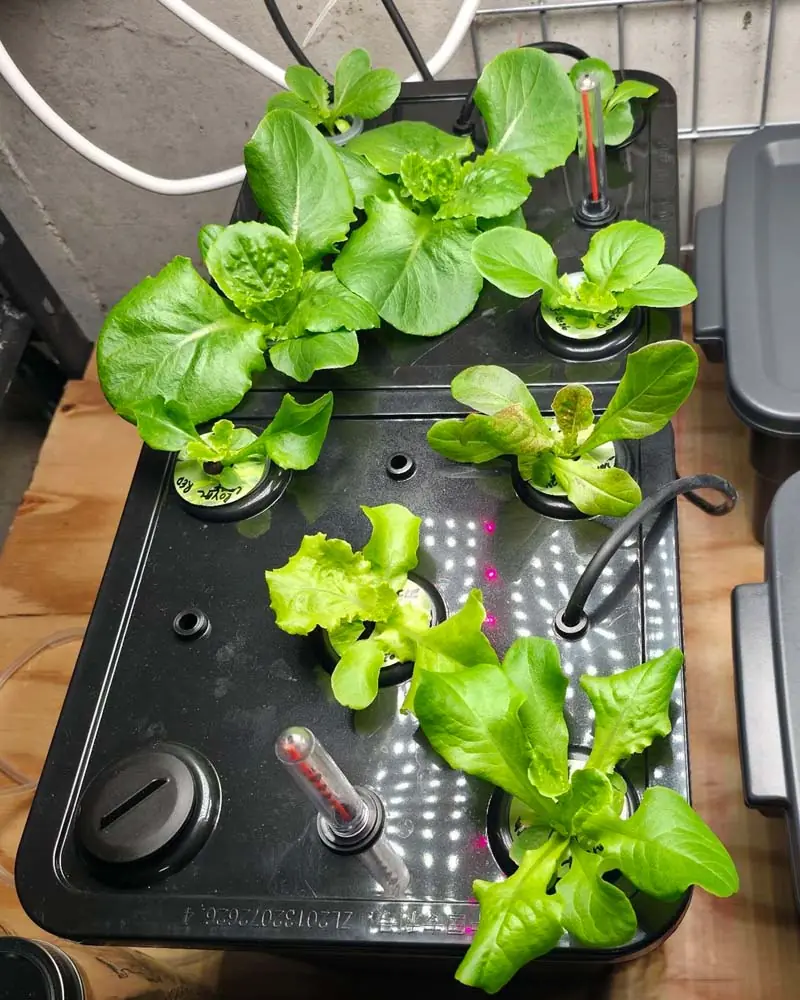
Surprisingly, the NFT tower isn’t harder to maintain than “simpler” systems. Because the water is constantly circulating and oxygenated, it stays “fresh” longer. Unlike Kratky, where water can stagnate and go sour, an NFT reservoir remains stable.
The only specialized “tool” you might need is a small step-ladder to reach the top plants of a 7-foot tower—a small price to pay for a wall of greenery.
Read also: 5 Steps to Diagnose and Fix Yellowing Hydroponic Leaves
Share This Post