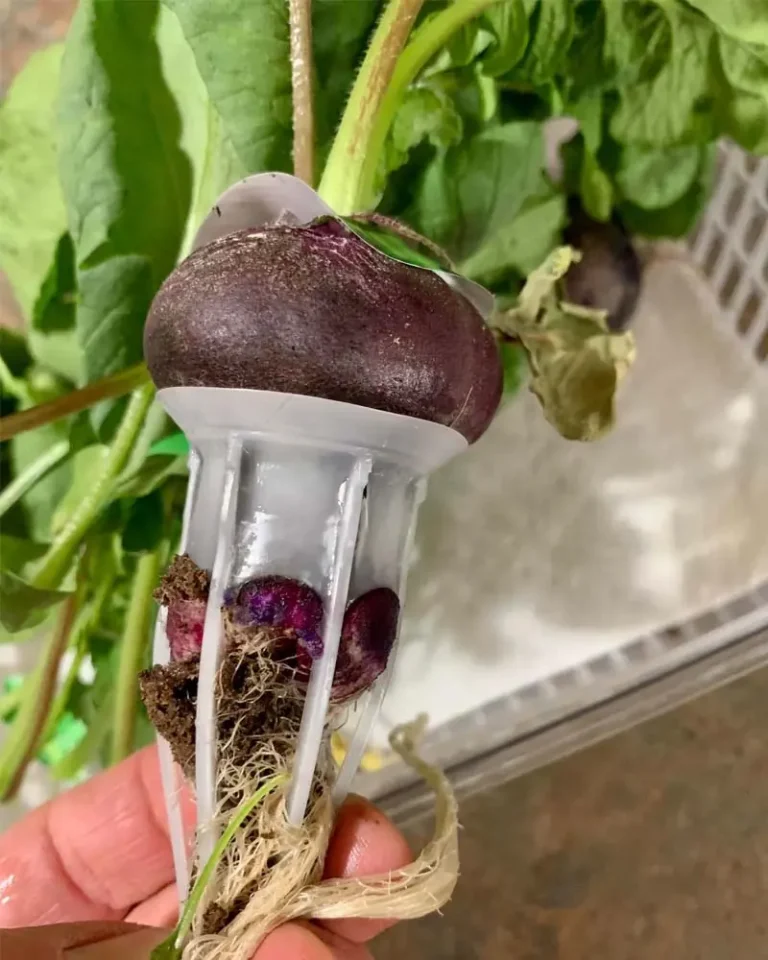
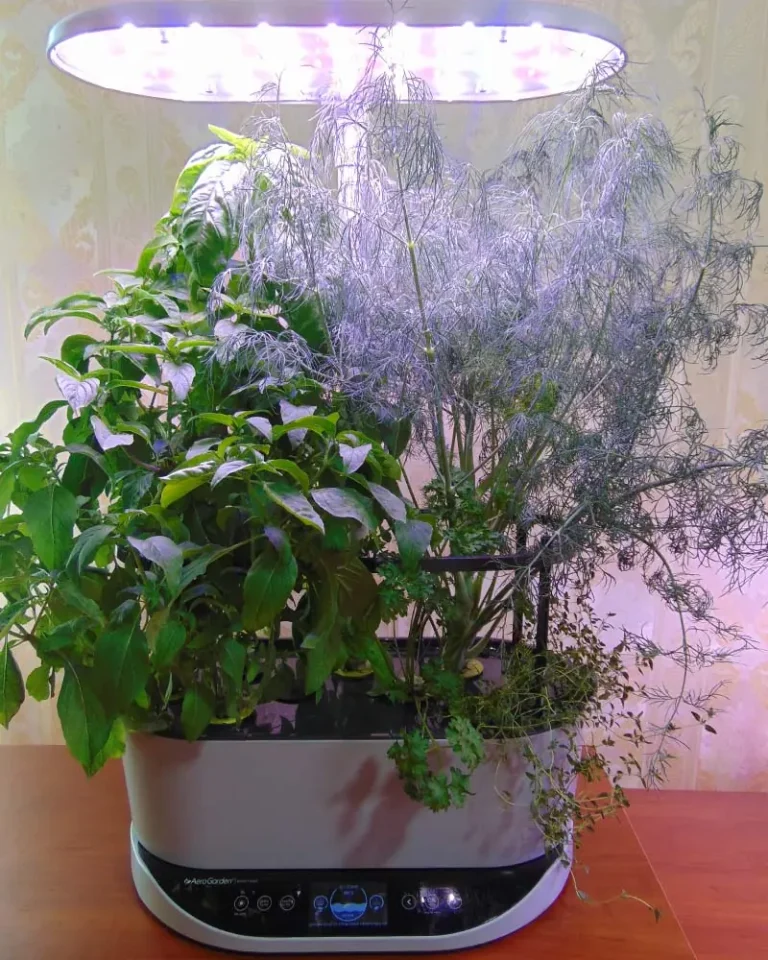
Yellowing leaves on a hydroponic plant are a clear signal that something is wrong. This condition, known as chlorosis, occurs when a plant cannot produce enough chlorophyll. To help you save your garden, I’ve put together a step-by-step guide on how to identify and fix the most common causes of yellowing.
Step 1: Calibrate and Test the pH
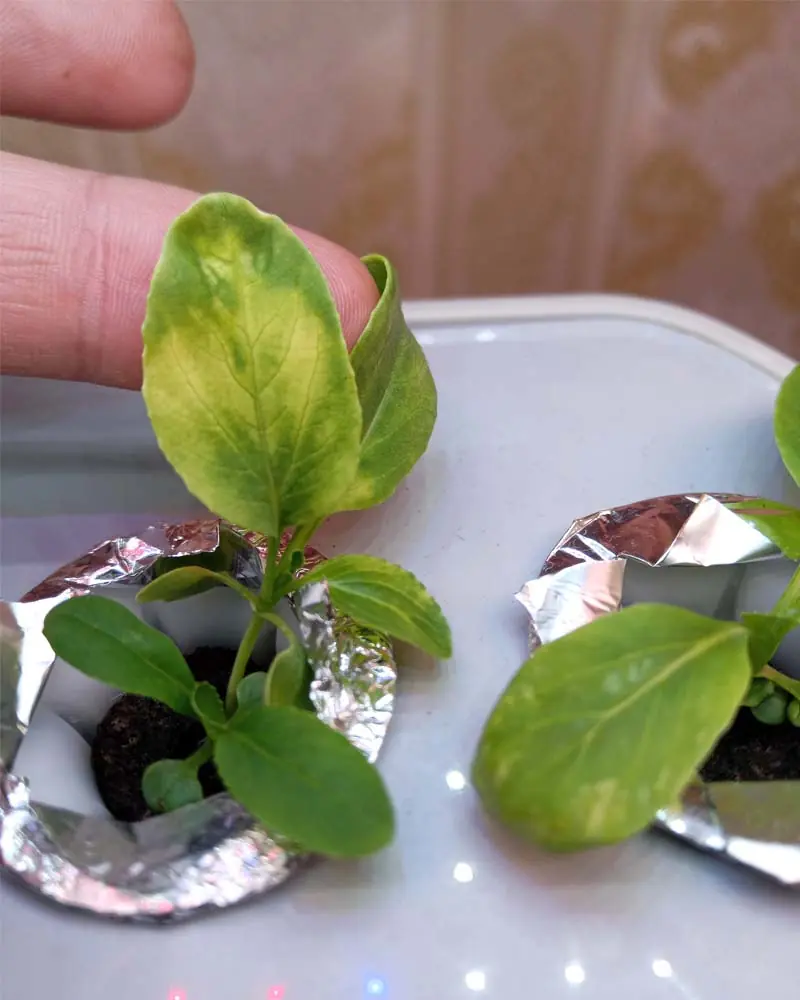
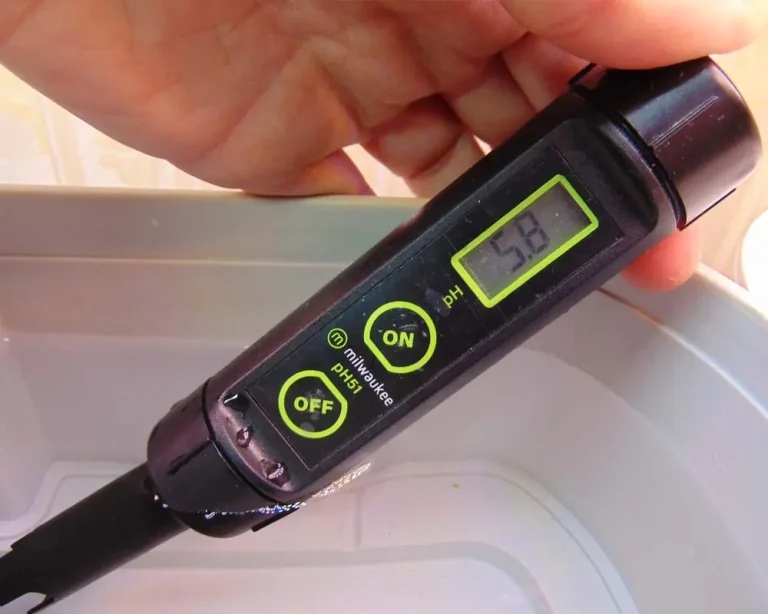
In hydroponics, water is the lifeblood of your system, and everything hinges on its quality. If the pH level is off, your plants will experience nutrient lockout—a state where they cannot absorb nutrients regardless of how much fertilizer is in the reservoir.
How to fix it:
- The Target Range: Most hydroponic plants thrive in a pH range of 5.5 to 6.3.
- Calibration: Before testing, ensure your pH meter is calibrated using a standard calibration kit. I recommend investing in a high-quality meter from a reputable brand; cheaper models are often inaccurate and can lead to costly mistakes.
- Adjusting the Levels: If your pH is too high (my tap water often reaches 7.5), you must lower it gradually. I personally use General Hydroponics pH Down, which is highly effective.
Pro Tip: In larger systems, some growers use car battery electrolyte (sulfuric acid) as a budget-friendly alternative. However, use extreme caution: it is incredibly potent, and just a few drops can cause a massive drop in pH. Always check your levels 24–48 hours after adjusting to allow the solution to stabilize.
Read also: Water Management In Small Indoor Hydroponics
Step 2: Inspect the Root Zone
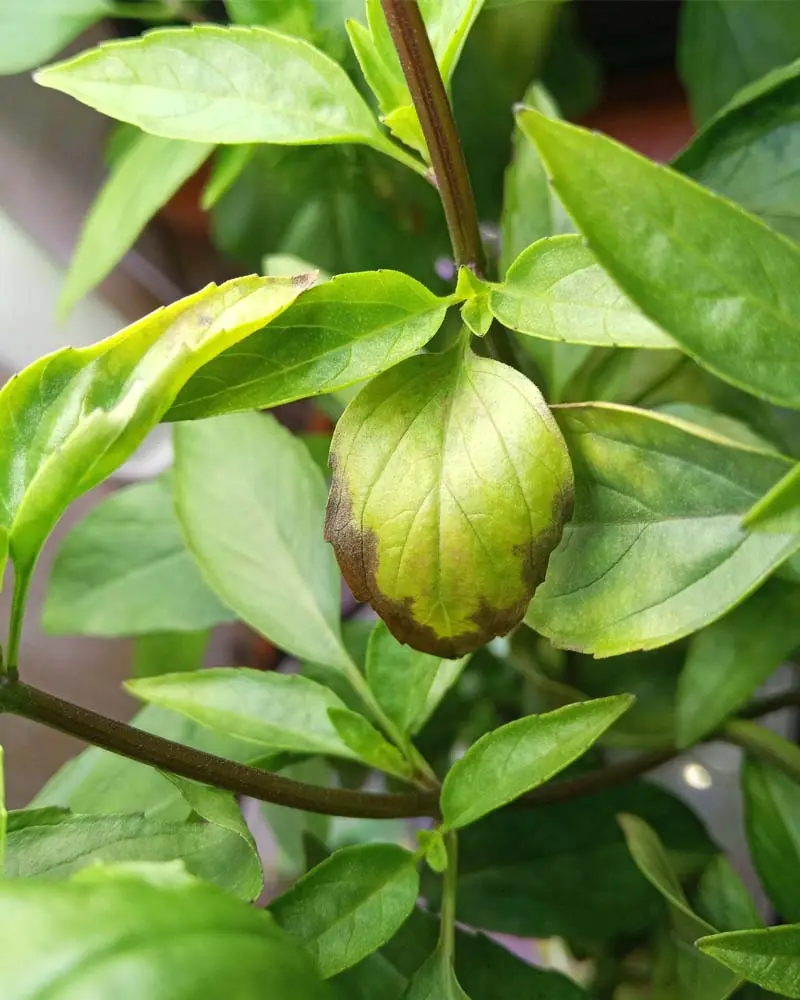
Healthy roots should be white and firm. If they turn brown, mushy, and emit a foul odor, you are likely dealing with root rot (Pythium). Diseased roots cannot transport nutrients, which quickly leads to yellowing leaves.
How to fix it:
- Immediate Action: If a plant is severely infected, remove and discard it immediately to prevent the spread of pathogens.
- System Flush: Drain your reservoir and disinfect the entire system with a hydrogen peroxide solution. For surviving plants, you can soak the roots in a mixture of 2 tablespoons of 3% hydrogen peroxide per gallon of water.
- Prevention: Ensure your water is properly oxygenated using an air pump and air stones. Also, consider using a biofungicide containing Bacillus amyloliquefaciens (such as Hydroguard) to build a protective barrier around the roots.
Read also: 6 Steps to Stop Root Rot in AeroGarden & iDOO
Step 3: Measure the EC/PPM
Electrical Conductivity (EC) or Parts Per Million (PPM) measures the concentration of nutrients in your water. If the EC is too low, your plants will suffer from deficiencies.
Identifying Deficiency: If leaves turn pale yellow while the veins remain green, it often indicates a micronutrient deficiency. Furthermore, a lack of nitrogen will cause older, lower leaves to yellow and drop prematurely.
How to fix it:
The Ideal Range: Keep your EC within 1.2 to 3.5 mS/cm, depending on the crop and growth stage. I use the Aqua Master E60 Pro for precise readings.
Adjust levels gradually. To lower EC, add fresh water; to raise it, add professional-grade hydroponic fertilizer. Remember: once a leaf has turned completely yellow, it likely won’t turn green again. Focus on the health of the new growth.
Step 4: Adjust the Light
Excessive light intensity can cause leaves to “bleach” or fade, making them appear yellow or white.
Outdoor vs. Indoor: This is most common in outdoor setups where intense, direct sunlight can overwhelm sensitive plants like lettuce. Indoor LED setups rarely cause this unless the lights are positioned far too close to the canopy.
How to fix it:
If you suspect light stress, move your system to a more shaded area or install a shade net to diffuse the intensity.
Read also: 6 Proven Growth Tips to Maximize Hydroponic Yields
Step 5: Audit the Environment
High temperatures are a silent killer in hydroponics. If your nutrient solution exceeds 80°F (27°C), the water loses its ability to hold dissolved oxygen, leading to heat stress and yellowing.
How to fix it:
Safety First: Ensure your indoor setup is placed away from heaters or hot electronic equipment. Keeping the water between 65–70°F (18–21°C) is ideal for maximum nutrient uptake and root health.
Cooling Techniques: Keep your system in a cool, well-ventilated area. In outdoor systems during heatwaves, I use a simple trick: floating a frozen plastic water bottle in the NFT tank to bring the temperature down.
Read also: 7 Common AeroGarden Problems (And How to Fix Them Fast)
Share This Post