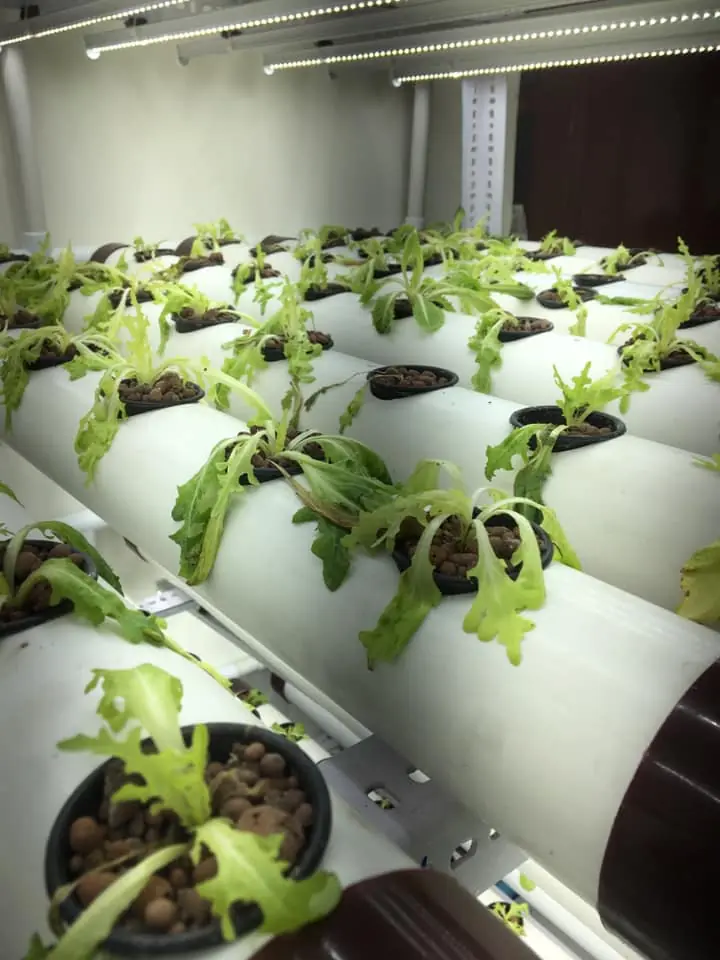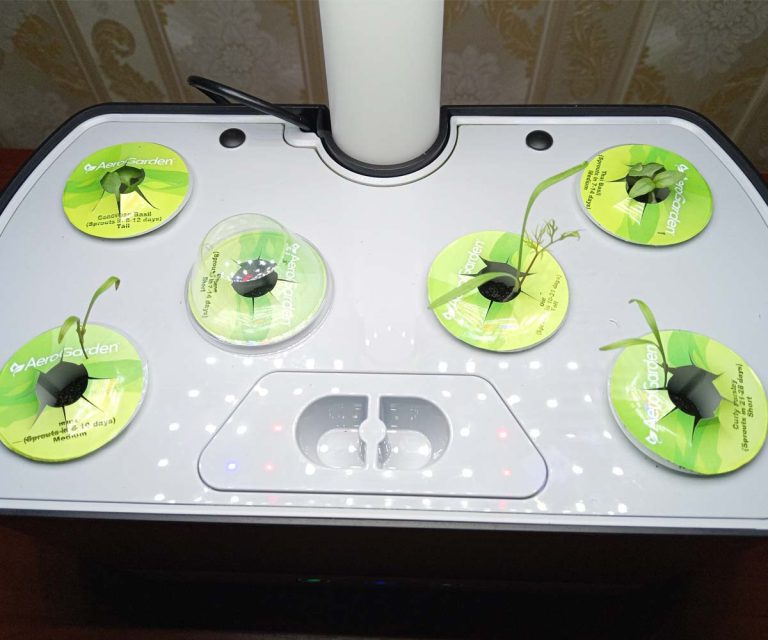

Lettuce is perhaps the most popular plant for hydroponics, and while it might seem entirely foolproof, that’s not always the case. Over years of indoor gardening, I’ve hit several roadblocks that caused my crops to stall.
Below, I’ll break down the exact issues I’ve encountered while growing hydroponic lettuce and the practical steps I took to get my harvests back on track.
⚡QUICK ANSWER:
| Observed Symptom | Potential Cause | Diagnostic Baseline | Immediate Fix |
| Leggy, pale leaves; slow growth | Light starvation / low DLI | PPFD < 150 µmol/m²/s | Lower LED panel to 5 cm; run lights for 16 hours. |
| Yellowing between leaf veins | Alkaline nutrient lockout | pH > 7.0 | Calibrate digital meter; apply pH Down to hit 5.5–6.5. |
| Dark, slimy, fragile root mass | Pythium (Root Rot) / Low DO | Water temp > 23°C (73°F) | Flush tank, prune roots, treat with 3% H2O2, add an air stone. |
| Leathery leaves with burnt tips | Low transpiration / stagnant air | High local humidity canopy | Set up a small USB-powered fan for indirect circulation. |
| Stunted growth; no visible leaf burns | Excessive nutrient concentration | EC > 2.0 mS/cm | Dilute reservoir with fresh RO/distilled water to 1.0 EC. |
Lighting
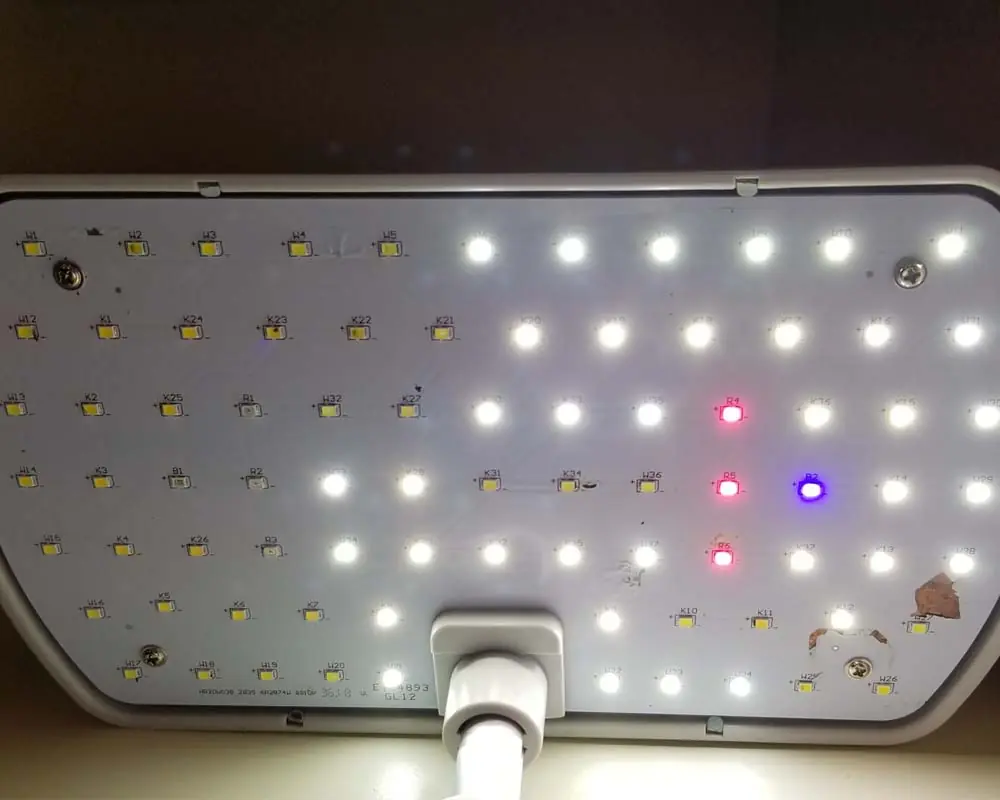
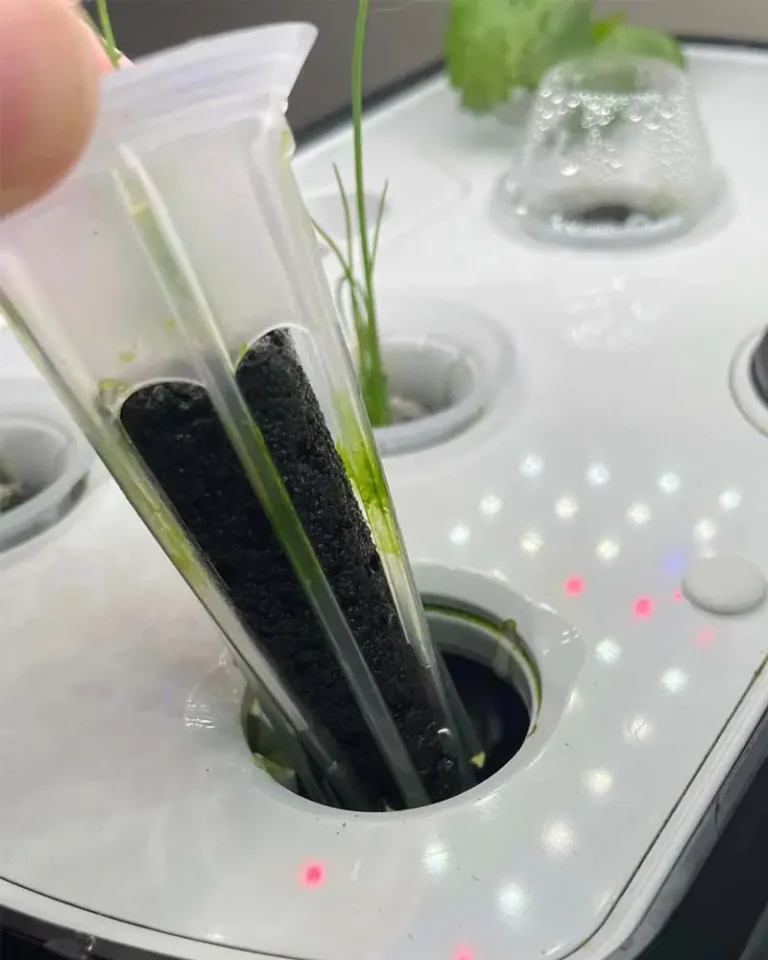
The first time my lettuce growth stalled was in an AeroGarden Harvest. By that point, the integrated light panel had already lost a few LEDs, but I didn’t pay much attention to it.
At first, the seedlings grew fine. But around the third week, leaf development ground to a halt, the growth turned pale green, and the plants started stretching aggressively toward the hood. When I finally closely inspected the panel, I realized the issue: half of the LEDs had completely burned out, leaving the plants light-starved.
To fix this without bothering with tedious panel repairs, I replaced it with a standalone aftermarket grow light featuring a full white, blue, and red spectrum.
The Takeaway: Slow growth is very frequently a lighting issue. Indoors, if your LEDs degrade or lack the power to hit a proper Daily Light Integral (DLI), lettuce will simply sit there. Outdoors, this is rarely an issue—even a few hours of direct sunlight provides more than enough energy.
High pH & Nutrient Lockout
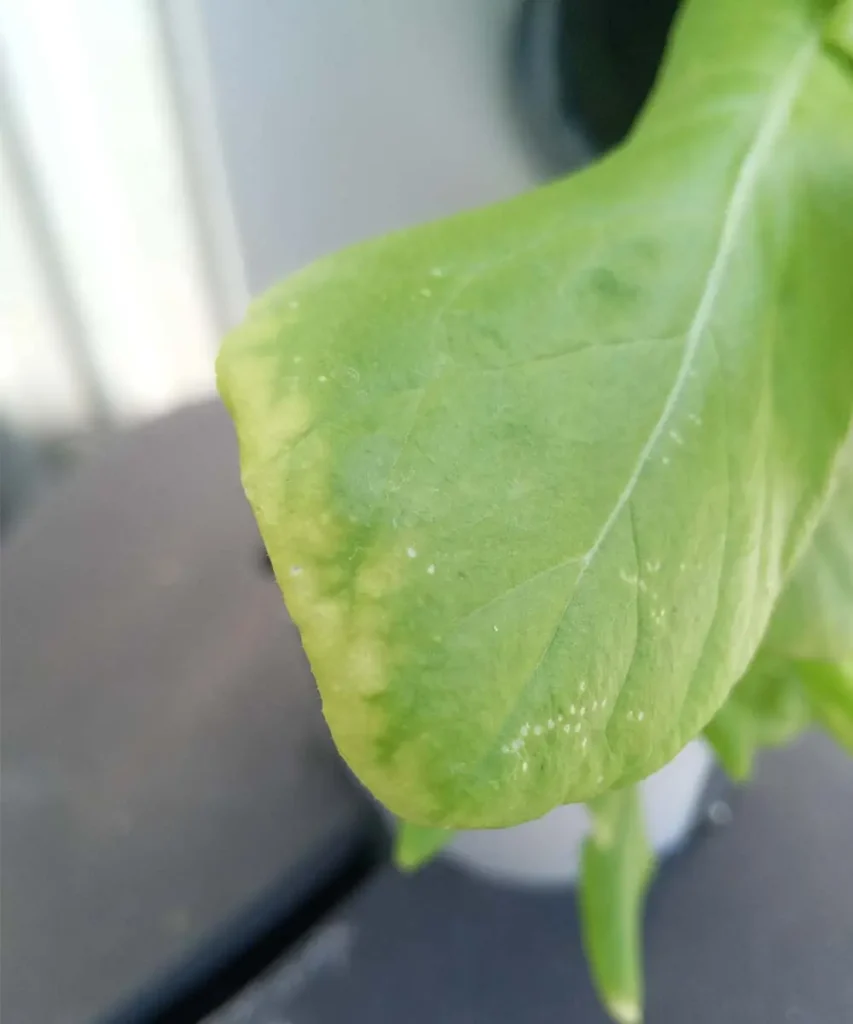
When I first started with hydroponics, I made a classic beginner’s mistake: I completely ignored the pH of my water. I use tap water, which sits at a naturally alkaline 7.8–8.0 pH.
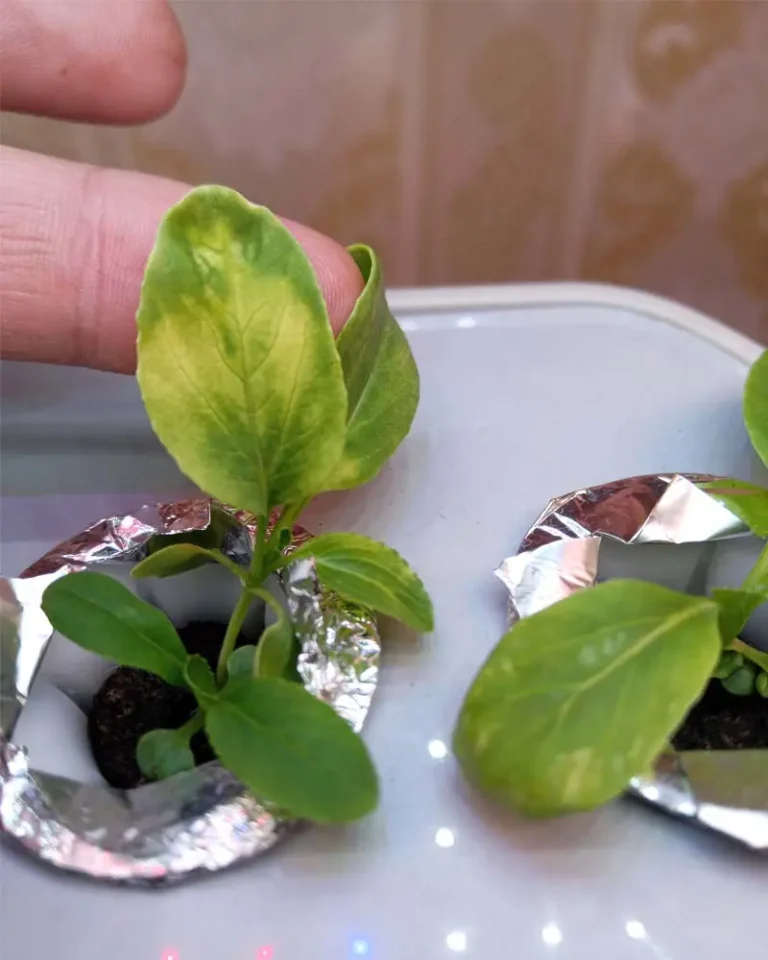
Initially, the lettuce adapted, but growth suddenly hit a wall. Within days, the margins of the leaves began turning a pale, washed-out yellow while the veins remained dark green—a textbook case of interveinal chlorosis.
At a high pH, the chemical bonds in the water lock up essential micronutrients like iron and manganese, preventing the roots from absorbing them. To fix it, I bought a digital pH meter and a bottle of pH-Down. Through trial and error, I found that maintaining a strict range of 5.5–5.9 keeps the lettuce perfectly vibrant.
Root Zone Failures
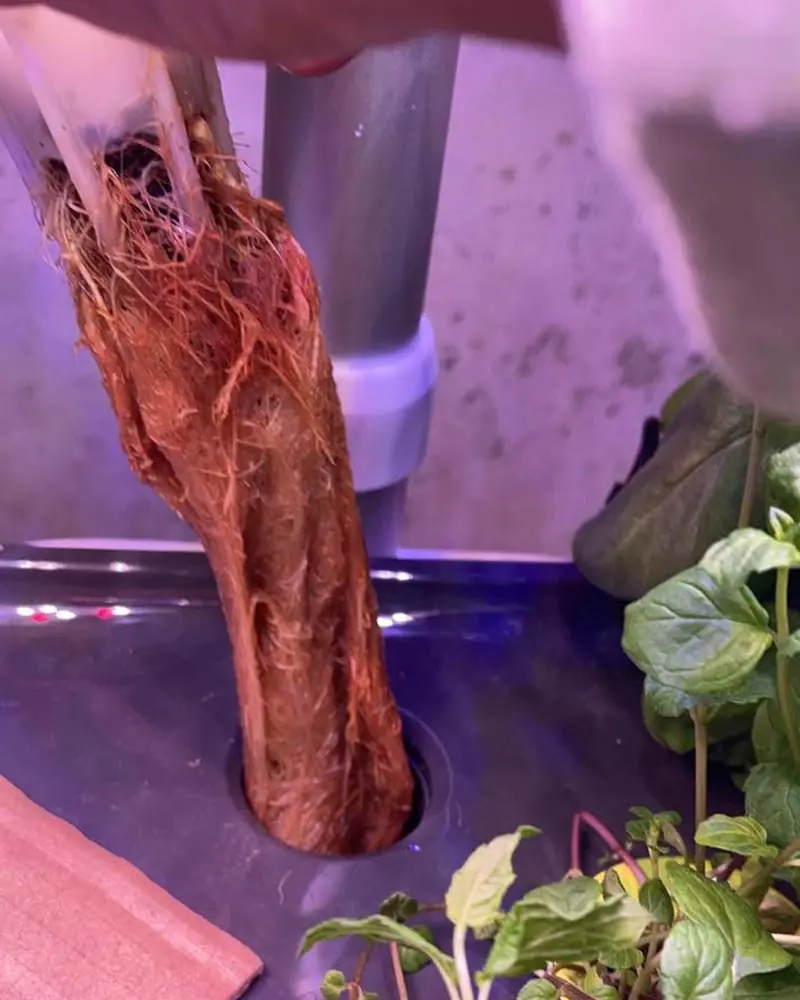
Root Rot (Pythium)
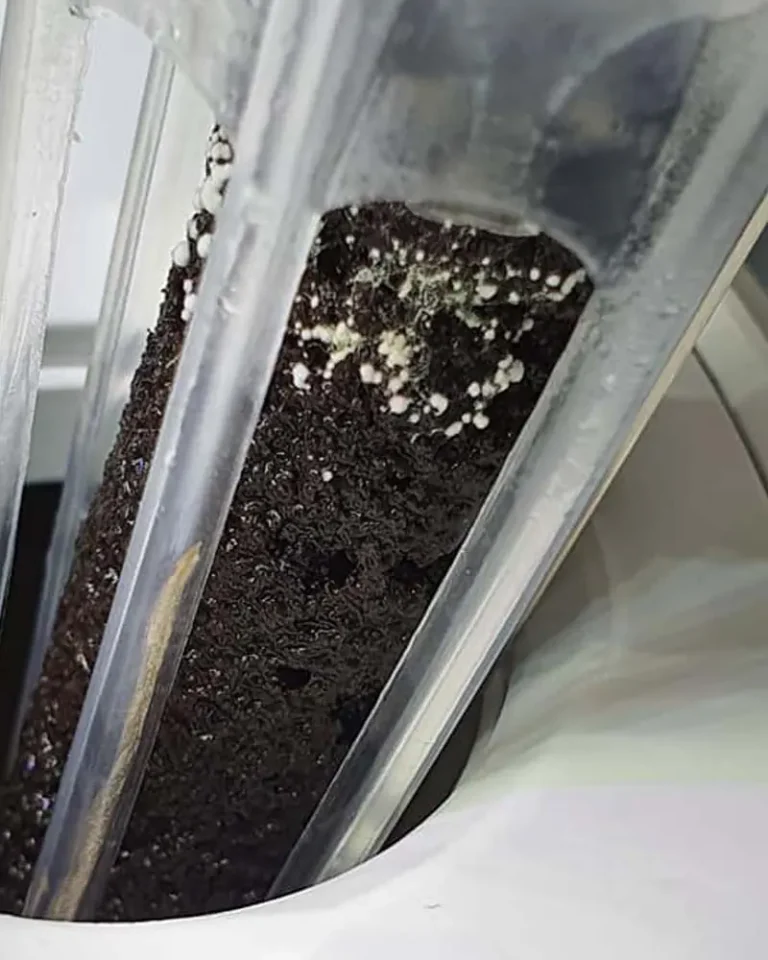
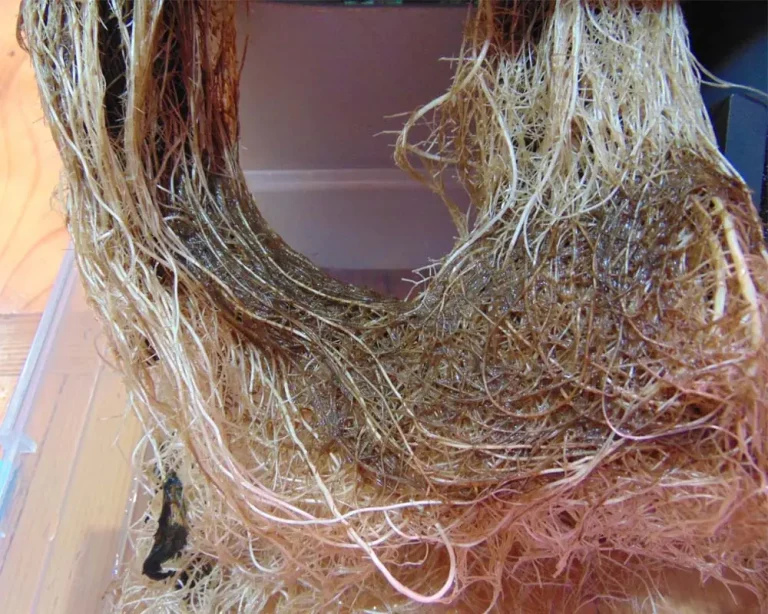
If your lettuce stops growing out of nowhere, always look under the hood first. I once had a system stall completely, only to find a thick, brown, slimy root mass inside the reservoir.
To save the crop, I pulled the plants and gently rinsed the sludge off the roots under tap water. Then, I soaked the root systems in a mild hydrogen peroxide solution (1 tablespoon of 3% H2O2 per gallon of water) for 30 minutes to kill off the pathogens.
After sterilizing the plastic reservoir, I reassembled the system and added a dedicated air pump and air stone. Increasing the dissolved oxygen (DO) levels prevents the stagnant, anaerobic conditions that Pythium thrives on.
Underdeveloped Roots
I ran into a different root issue while growing lettuce outdoors using the Kratky method. Everything was thriving until a summer heatwave hit. The lettuce suddenly stopped growing and began to wilt during midday.
Because of the heat, the plants were drinking water faster than their roots could elongate. Once the water level dropped below the active root zone, the plants dried out.
In a strict Kratky setup, you avoid refilling the tank to prevent suffocating the air roots. However, in extreme heat, I solved this by adding a root-stimulating agent and constantly topping off the water just enough to keep 50% of the lower root system submerged. This stabilized the plants until the roots hit the bottom of the container.
Stagnant Air
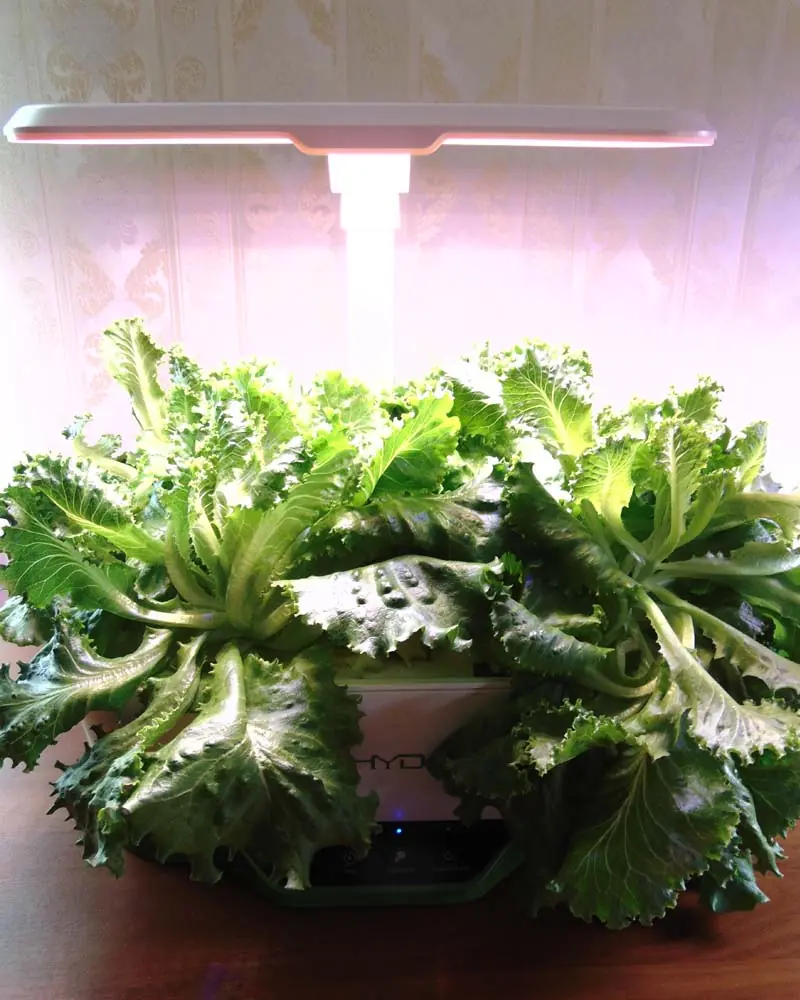
Sometimes, lettuce looks incredibly healthy, dense, and lush, but then abruptly stops expanding. Shortly after the stall, the tips of the inner leaves turn black and crispy.
This happens when plants are packed too tightly together. As the canopy closes, it traps a micro-pocket of high humidity right around the leaves. Without air movement, the lettuce cannot evaporate water through its stomata (transpiration).
When transpiration stops, the plant’s internal pump shuts down. It can no longer pull water—or the calcium dissolved within it—up to the new growth points. The resulting localized calcium deficiency causes the leaf tips to die back (known as tipburn).
I fixed this by installing a small USB fan set on a timer to blow a gentle, indirect breeze across the canopy. I also pruned away the older, lower leaves to open up air paths. For future grows, I always space my net pots at least 3–4 inches apart to give the air room to move.
Plant Food Problems
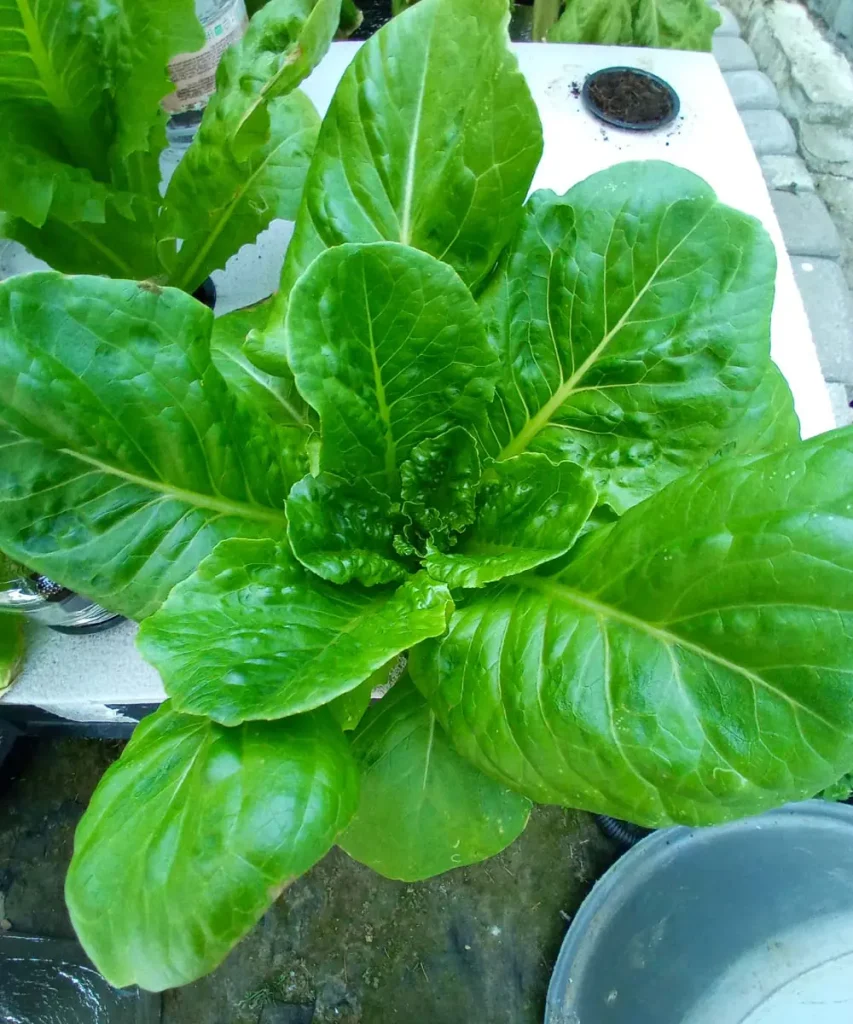
During a Deep Water Culture (DWC) experiment, I started my seedlings in tap water (0.4 mS/cm EC) mixed with a conservative dose of Flora Series nutrients, bringing the total EC to a modest 1.2 mS/cm. The lettuce sprouted beautifully.
Hoping to accelerate things once the first true leaves opened, I aggressively doubled down on the nutrients, spiking the concentration to 2.0 mS/cm EC.
Instead of explosive growth, the lettuce completely froze. Because the nutrient solution was too concentrated, the osmotic pressure made it incredibly difficult for the roots to drink. The plant received an excess of nitrogen but lacked the water to expand its cells. It resulted in a miniature, ultra-dark green, leathery plant that didn’t grow a single inch for weeks—but notably showed no leaf burns.
I corrected the issue by siphoning out half of the solution and topping it off with pure water to lower the EC back to 1.0–1.2. The stunted lettuce slowly woke up and resumed growing.
Share This Post