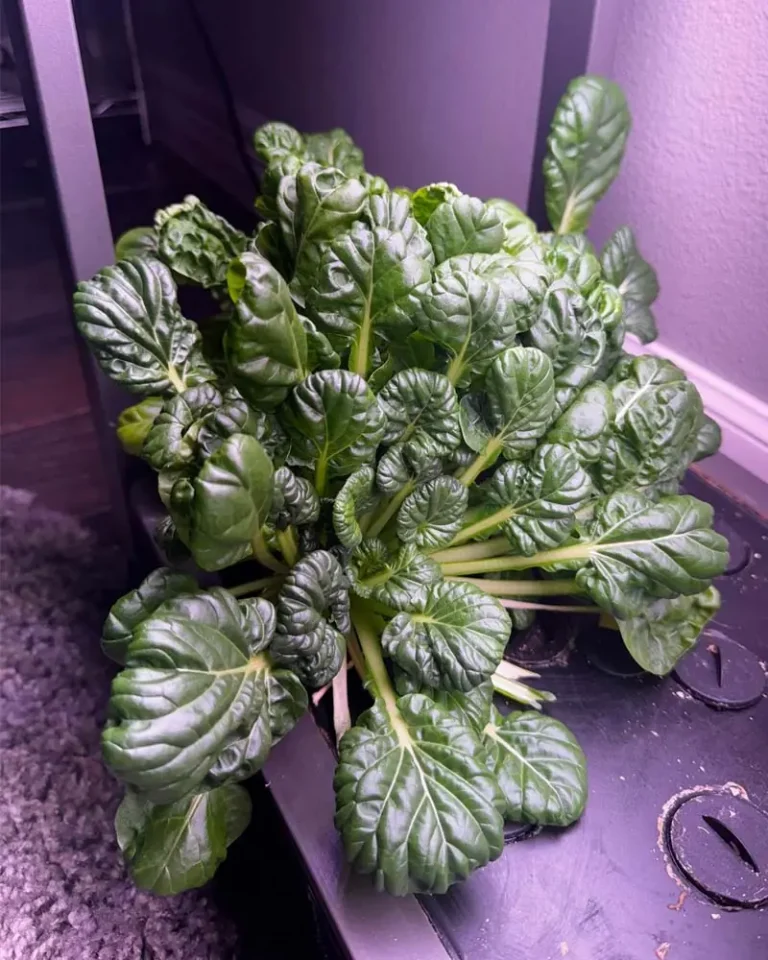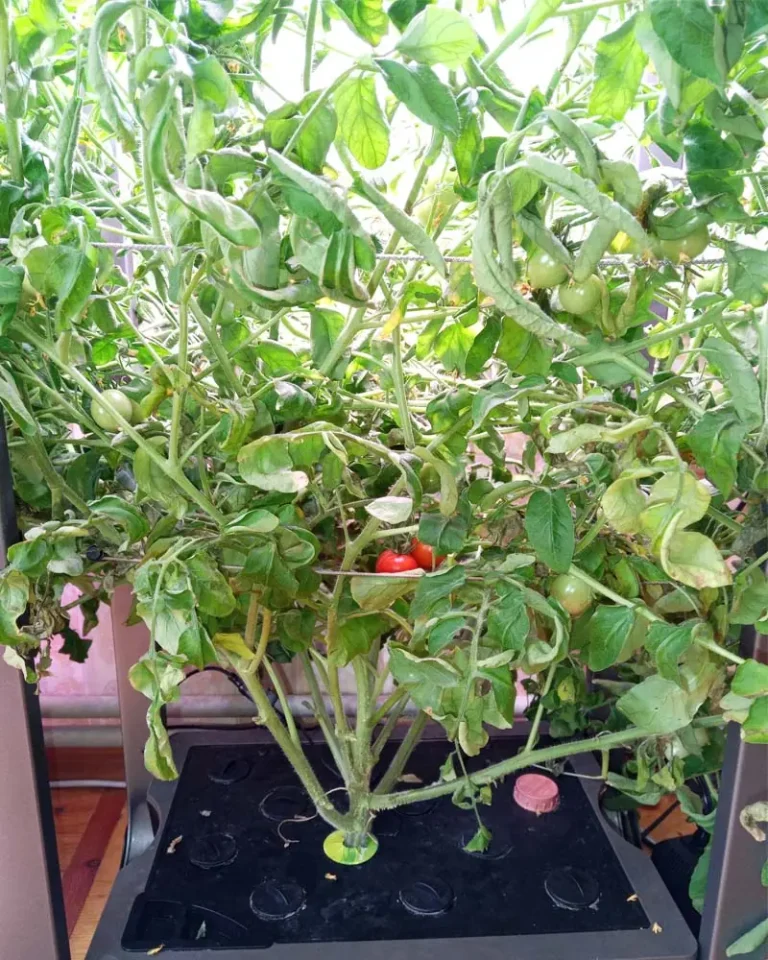

Hey friends! Today I’m going to pull back the curtain on my biggest indoor gardening mistakes. We all want to push our compact hydroponic setups to the limit, but trying to grow certain vegetables in systems like the AeroGarden Bounty, AeroGarden Harvest, or iDOO units can turn into an expensive, time-consuming disaster.
Here are the plants that completely failed in my desktop gardens, why they failed, and what you should grow instead.
1. Carrots
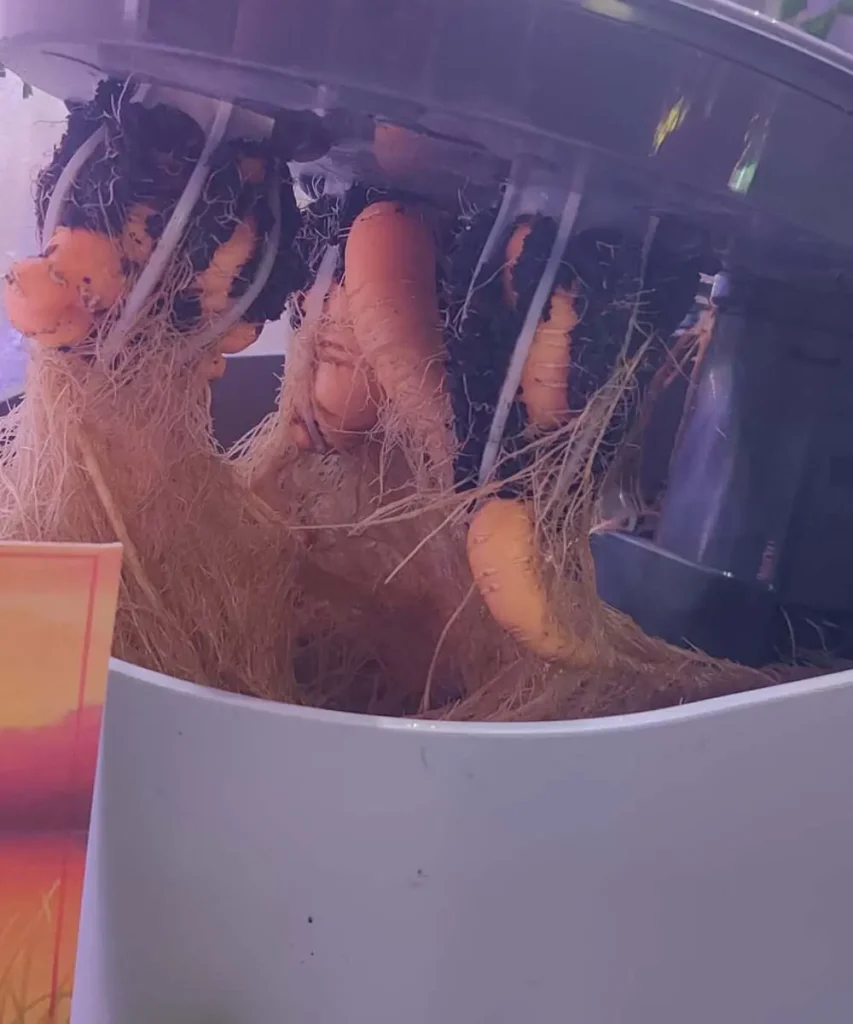
One day, I had the bright idea to grow carrots in my AeroGarden Bounty. I placed the seeds in the growing sponges, started the system, and at first, everything looked promising. But the moment the root vegetables began to form, I realized my mistake.
The expanding carrots started to tear right through the plastic mesh pots and grow completely crooked. The confined space of the desktop deck severely limited their size. It ended with me harvesting a few tiny, misshapen carrots that nearly permanently damaged my Bounty’s top deck.
Where to grow them instead: These days, I still grow carrots hydroponically, but I use a dedicated passive wick system which provides plenty of loose substrate room for straight root growth.
Better desktop alternative: Skip the root crops. If you want high-yielding vegetables for this size of setup, read my guides on growing Iznik cucumbers or how to succeed with Tiny Tim tomatoes indoor.
2. Pumpkins
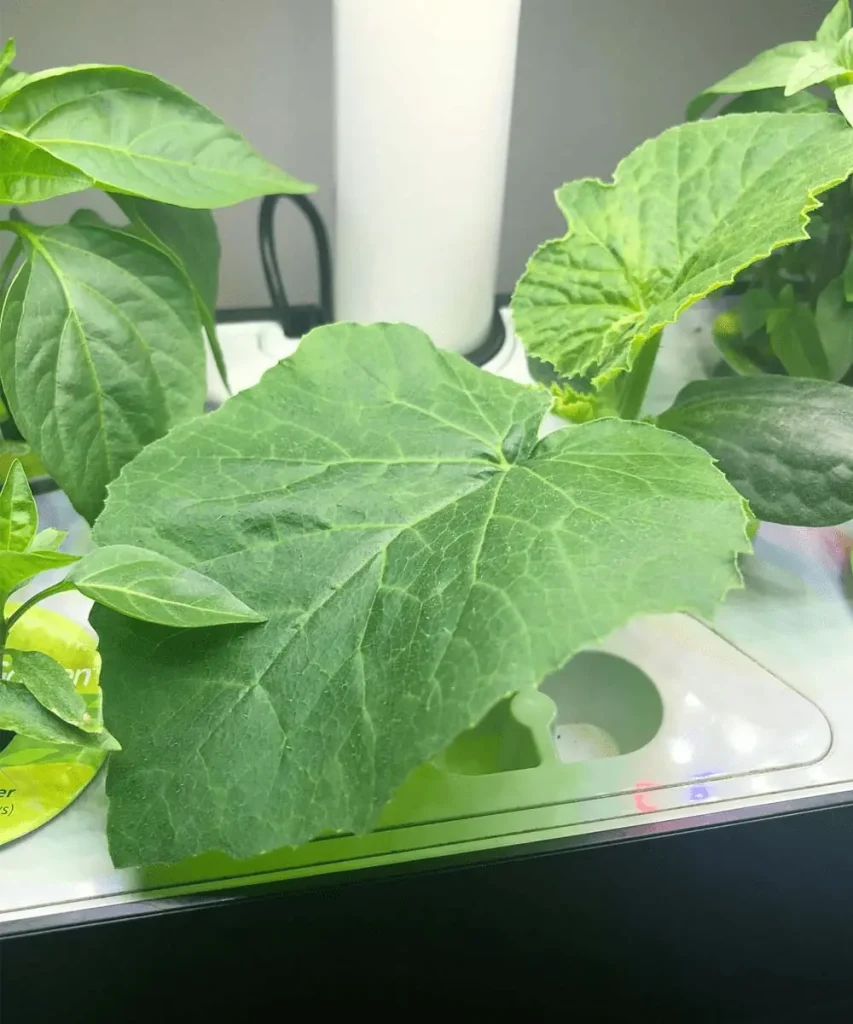
Another ambitious experiment I tried was growing a pumpkin in my AeroGarden Harvest. By the second week of growth, the seedling looked fantastic.
However, just twenty days later, the vine had grown so aggressively massive that I had to abandon the project entirely. The massive root system completely clogged the water tank, forcing me to top off the water every single day. To make matters worse, the dense root mass suffocated and destroyed the water pump, which I had to replace.
Where to grow them instead: You can successfully grow pumpkins hydroponically, but only in an outdoor DWC (Deep Water Culture) setup with a reservoir tank of at least 5 gallons.
Better desktop alternative: Instead of a giant vine in a compact system, try compact fruiting crops. Check out my complete guide to growing Fairytale eggplants, which are perfectly scaled for intermediate systems like the AeroGarden Farm 12.
3. Potatoes
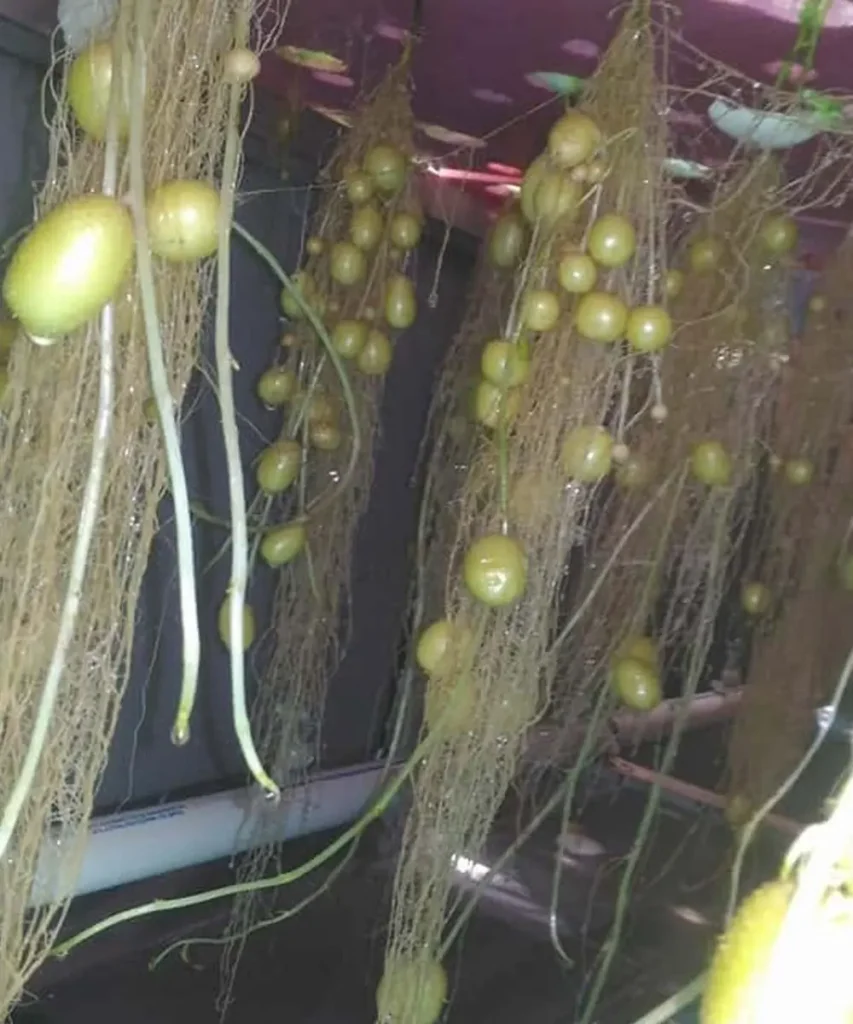
I’ve experimented with growing potatoes hydroponically a few times. To do this properly, I built a custom DIY aeroponic system where the roots were misted with a nutrient solution while the tubers remained suspended in mid-air.
That specific experiment was actually successful, yielding a decent crop—even though it required a lot of patience and a hefty electricity bill. So yes, growing potatoes hydroponically is technically possible.
However, I strongly advise against trying this in standard countertop systems like an AeroGarden or iDOO. The reservoirs are simply too small. The tubers will run out of physical space to expand, meaning your time, nutrients, and electricity will be completely wasted.
Where to grow them instead: To grow potatoes without soil, you need a specialized tub or tank that holds at least 10 gallons of volume.
Better desktop alternative: If you want to utilize a small indoor system for classic garden favorites, you are much better off growing Quick Snack cucumbers or cultivating compact Oregon Spring tomatoes.
4. Radishes
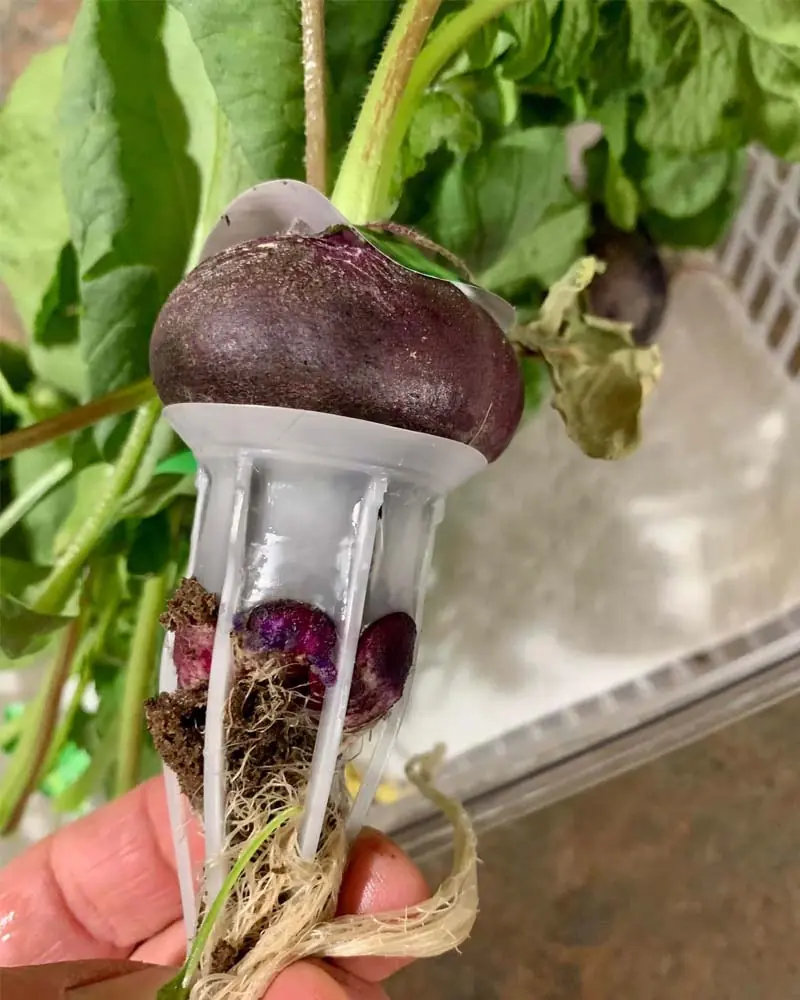
Radishes seem perfect on paper because they grow fast (under 30 days) and don’t need intense light. But in reality, desktop systems present two major issues. First, as the radish bulbs expand, they literally burst out of the standard plastic net pots.
Second, when grown in rockwool or standard hydroponic sponges, a significant number of the plants develop severe chlorosis, causing their leaves to turn yellow. I tested adjusting the water’s pH levels, but it had absolutely no effect on stopping the yellowing.
Where to grow them instead: The absolute best setup for radishes is a wick hydroponic system using an organic substrate like coco coir, which the root bulbs prefer over bare water or sponges.
Better desktop alternative: If you want fast results without strong lighting, skip the radishes and look at my step-by-step walkthrough on growing crisp lettuce with hydroponics.
5. Beets
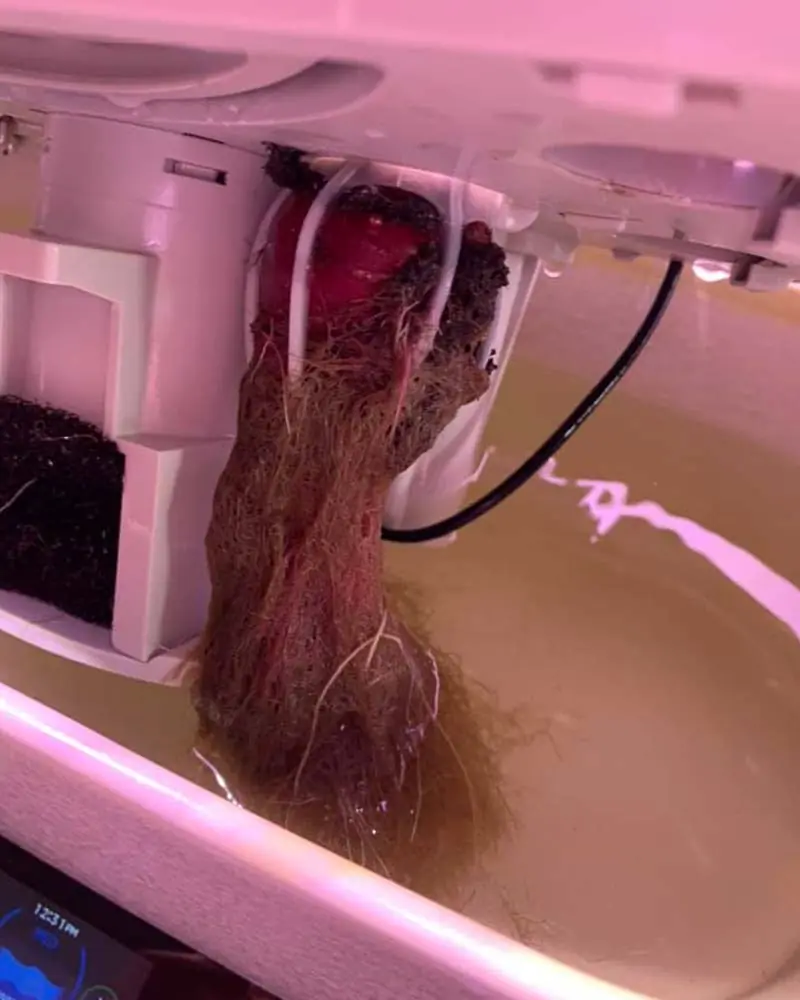
Beets are large, heavy root vegetables, and tabletop hydroponic units are fundamentally too small for them. During my trial run, the expanding beet grew so wide that it completely crushed and shattered the plastic mesh pot of my AeroGarden Bounty.
The final harvest was tiny, misshapen, and entirely unedible. Instead of saving money by growing my own produce, I ended up wasting money on ruined plastic pods and nutrients.
Where to grow them instead: For beets, stick to a Kratky setup or a wick system using coco coir as the medium, ensuring each plant has a pot size of at least 1 gallon.
Better desktop alternative: If you want to keep things stress-free, look at my curated list of the most forgiving hydroponic plants for beginners to guarantee a successful harvest.
6. Watermelons
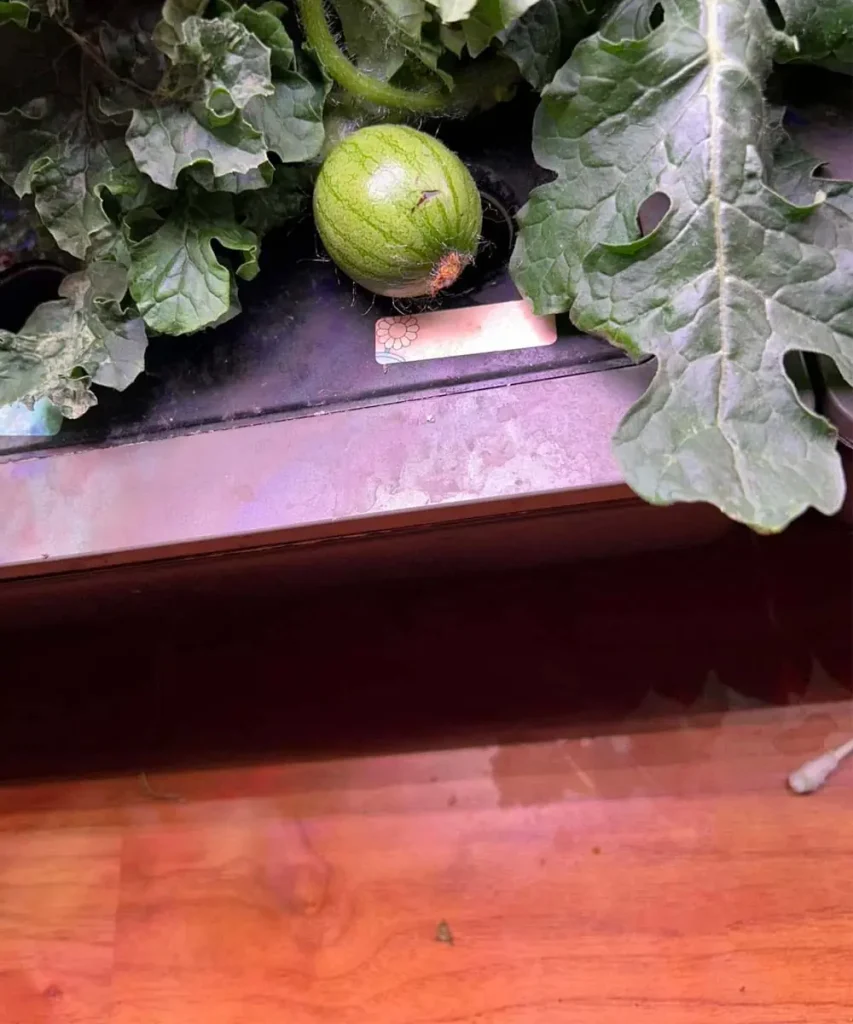
One winter, I wanted a fun indoor challenge and decided to grow a watermelon. My large AeroGarden Farm 24XL seemed like the perfect heavy-duty system for the job. I dedicated one water tank to it and utilized two independent LED light panels to maximize coverage.
The seeds sprouted rapidly, but it took more than three months just for the first female fruit to appear! On top of that, it took almost two additional months for that single watermelon to ripen. After five months of continuous power consumption, I ended up with two tiny watermelons that were half the size of standard grocery store options.
Aside from the terrible yield-to-time ratio, I spent an exhausting amount of time mixing nutrients and topping off the water every single day because the vine was incredibly thirsty.
Where to grow them instead: Save watermelons for an outdoor DWC system utilizing a massive 10 to 15-gallon reservoir under natural sunlight.
What to grow in large indoor systems instead: If you own a large-tier system like the AeroGarden Farm, you can get incredible yields by switching to squash. Check out my guide on how to quickly grow wonderful, large zucchini indoors.
7. Cabbage
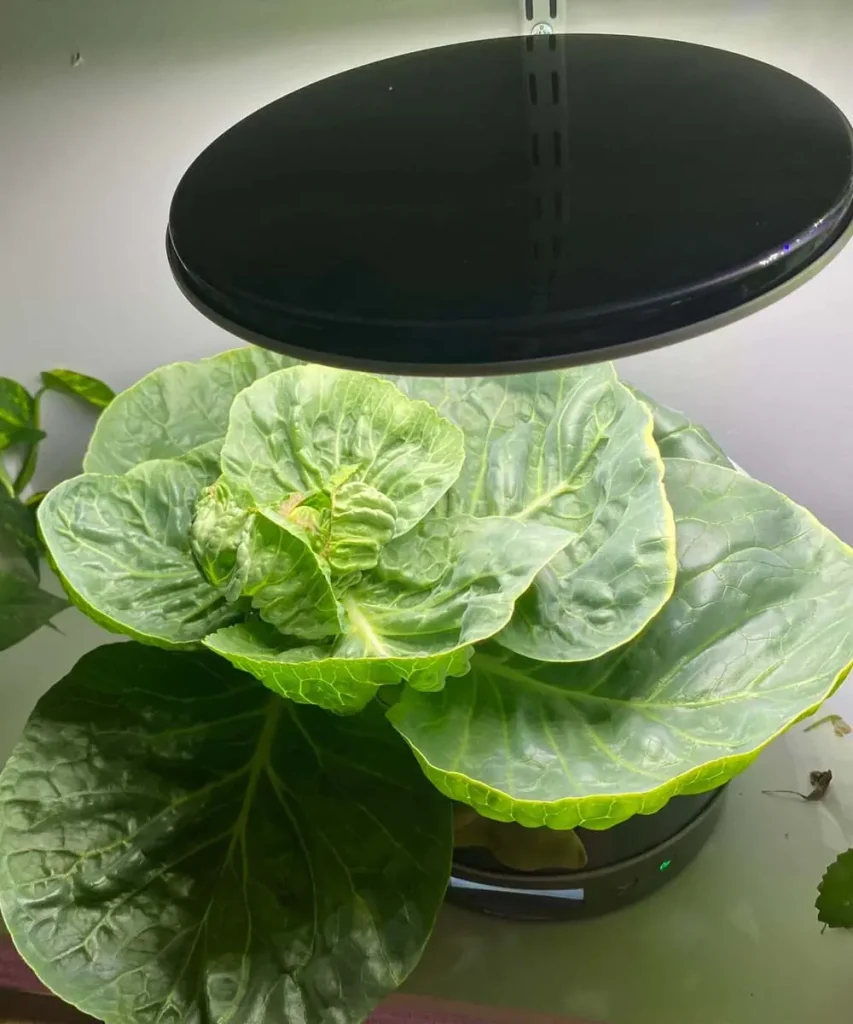
When I happened to come across some extra cabbage seeds, the only empty system I had available was a compact AeroGarden Harvest Elite 360. Without thinking it through, I dropped the seeds in.
The problems started almost immediately after the strongest seedling took hold. The tight spacing prevented a proper head from forming, and the inner leaves quickly developed tip-burn and turned yellow.
To make matters worse, the stagnant, crowded conditions triggered a nasty case of root rot. While I managed to cure the root rot, the recovering plant began drinking massive amounts of water. After nearly 100 days, I was left with an underdeveloped, loose head of cabbage, while the massive root system completely clogged the water pump and internal distribution channels.
Where to grow it instead: Cabbage belongs in large outdoor setups like DWC or open Kratky barrels.
Better desktop alternative: Countertop units excel at leafy greens that don’t need to form tight, heavy heads. If you want rapid, abundant leaf growth, read my deep-dive case study on growing massive basil in an AeroGarden.
8. Corn
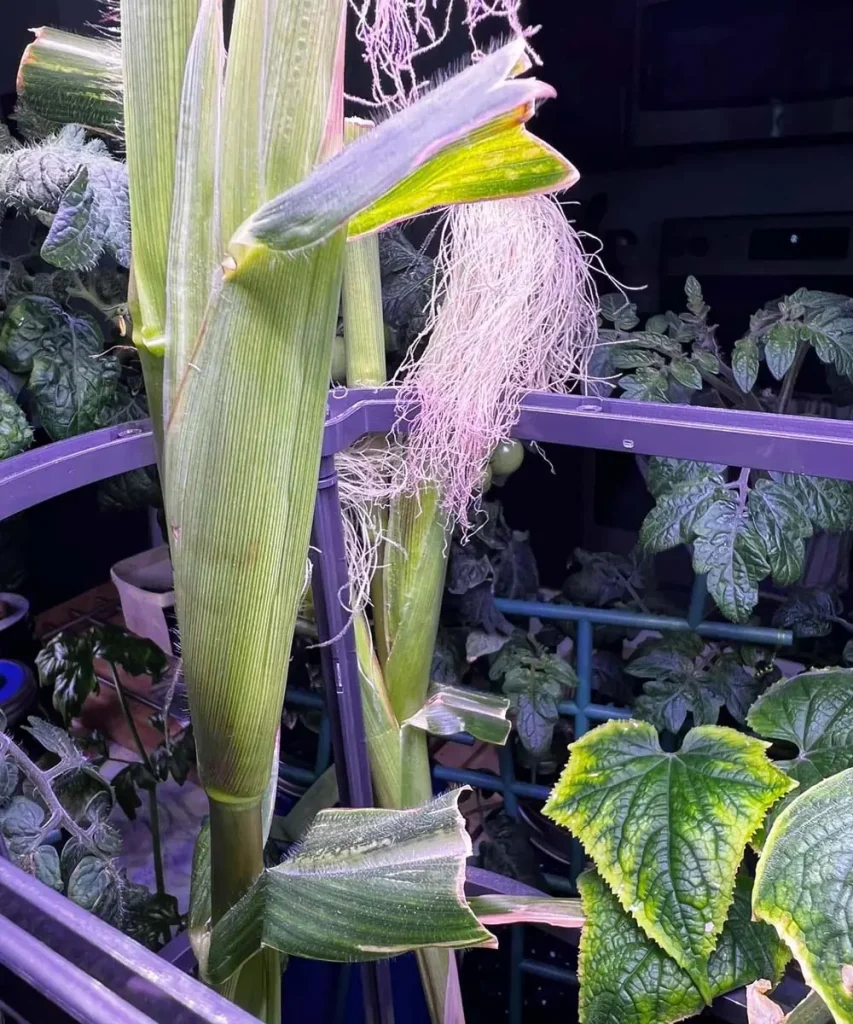
Finally, let’s talk about corn. Trying to grow a plant that naturally reaches up to 5 feet tall inside an AeroGarden Bounty was definitely not my finest moment. Surprisingly, the corn did sprout and managed to develop a remarkably thick stalk.
Eventually, ears of corn actually began to form, and the plants looked quite healthy from the outside. But imagine my disappointment when I finally peeled back the husks. One cob had only a few randomly scattered, abnormally large kernels, while the other cob was completely unpolluted and underdeveloped due to poor indoor pollination.
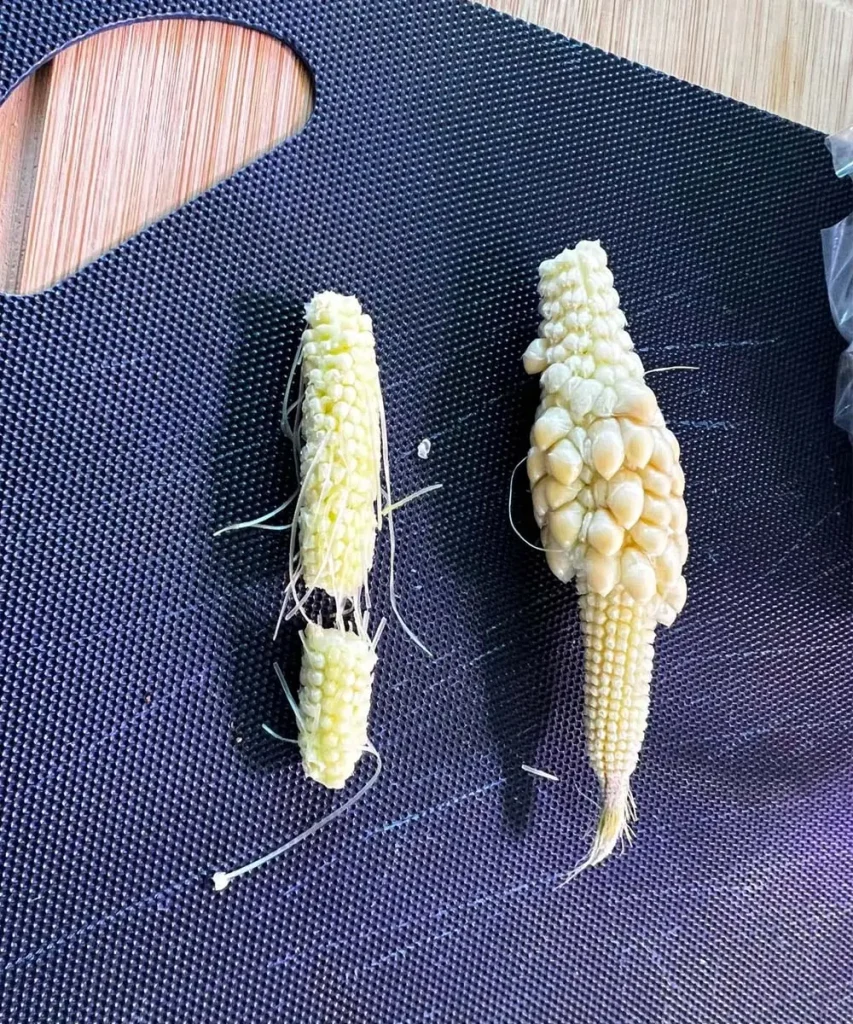
Indoor hydroponic corn ears frequently display highly uneven kernel development due to lack of wind/insect pollination and constrained root space.
After three full months, I had used a massive amount of electricity, water, and specialized nutrients, only to end up with two completely useless ears of corn. Plus, the aggressive root system wound its way into the pump housing, nearly burning out the motor.
Where to grow it instead: Corn needs space, numbers (for wind pollination), and deep roots. Stick to an outdoor Kratky grid or traditional soil.
What to do next: If you are ready to stop wasting time on failed harvests and start getting massive yields from your indoor system, be sure to check out my proven checklist: 6 ways to maximize your indoor hydroponic harvest.
Share This Post